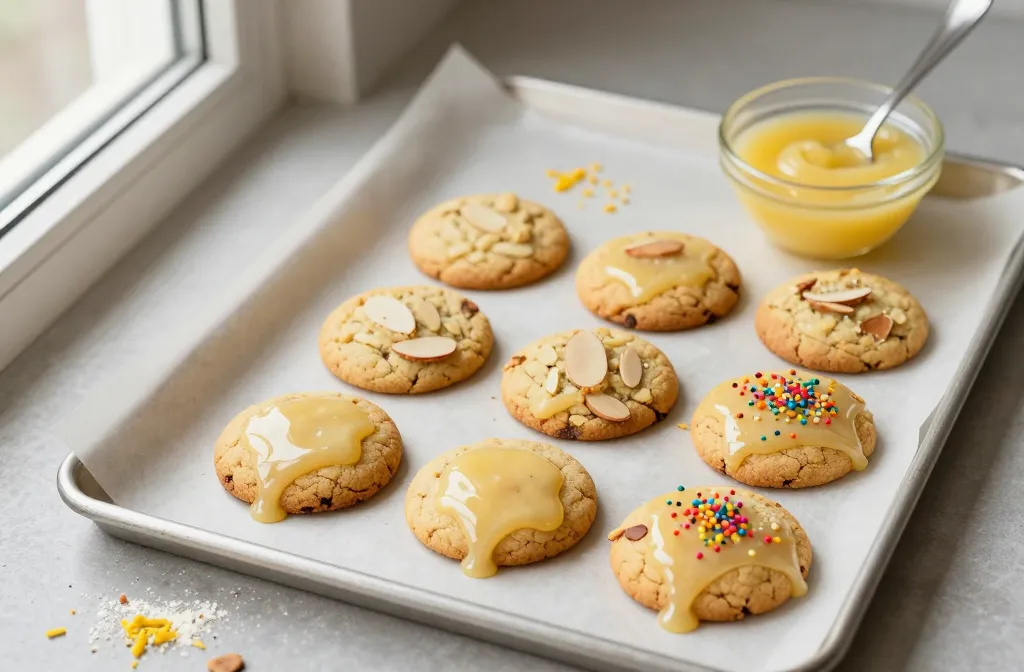
Almond Flour Italian Drop Cookies Made Easy
You want a cookie you can actually whip up on a Tuesday night, right? Meet almond flour Italian drop cookies: bite-sized, soft, and gloriously unfussy. No rolling, no chilling, no drama—just drop, bake, and dunk in glaze. They taste like bakery magic with a wholesome twist, and yes, they still feel like Nonna would approve (she might squint, but she’ll keep eating).
Need More Easy Dinner Ideas?
Get my FREE 7-Day Easy Dinner Reset and enjoy a full week of healthy dinners without the meal-planning stress.
What Makes These Cookies “Italian” (Besides the Attitude)
Classic Italian drop cookies lean on simple flavors: almond, lemon, or anise. They’re soft, cake-y, and usually wear a shiny glaze with sprinkles. We’re keeping that DNA but swapping traditional wheat flour for almond flour and a touch of tapioca or arrowroot to help with texture.
Why does that matter? Almond flour brings a delicate crumb, a naturally sweet nuttiness, and a gluten-free vibe without tasting “alternative.” The result: tender, melt-in-your-mouth cookies with that iconic glaze you can’t resist.
Ingredients That Actually Matter
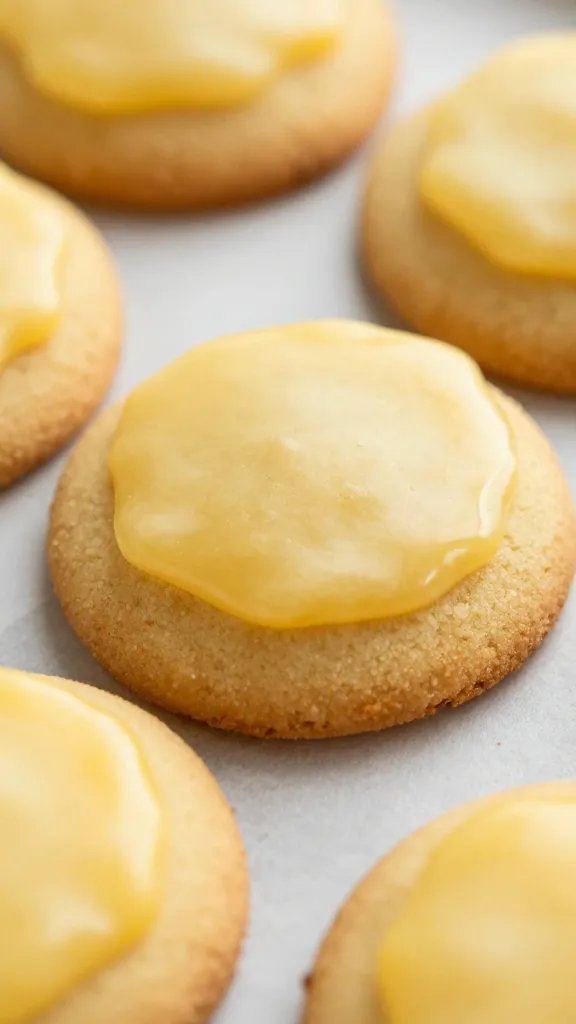
You don’t need a pantry that looks like a chemistry set. You just need a few key players that pull their weight.
- Almond flour: Use blanched, super-fine almond flour for the softest texture.
- Arrowroot or tapioca starch: Just a bit creates structure and keeps the cookies from crumbling.
- Baking powder: For that gentle lift and cake-like bite.
- Butter (or ghee): Flavor and richness. Softened, not melted.
- Granulated sugar: Keeps the crumb tender and sweet. Coconut sugar works, but the flavor gets deeper and less “Italian bakery.”
- Eggs: Bind and lift.
- Flavoring: Almond extract, lemon zest, or anise extract. Pick your fighter.
- Glaze: Powdered sugar + milk (or almond milk) + extract, with optional nonpareils.
Flavor Combos That Slap (IMO)
- Almond + Vanilla: The classic. Pure bakery vibes.
- Lemon Zest + Almond Extract: Bright and nutty. Perfect with tea.
- Anise + Lemon: Old-school Italian corner bakery energy.
Foolproof Method (No Chill, No Fuss)
You’ll bang these out in under an hour. Pinky promise.
- Preheat to 350°F (175°C). Line two baking sheets with parchment.
- Cream 1/2 cup softened butter with 2/3 cup sugar until fluffy, 2 minutes.
- Beat in 2 large eggs, 1 teaspoon almond extract (or 1/2 tsp anise), and optional lemon zest.
- Whisk 2 cups almond flour, 1/4 cup tapioca or arrowroot, 1 1/2 teaspoons baking powder, and 1/4 teaspoon fine salt. Fold into the wet ingredients. The dough should be soft and scoopable, not runny.
- Scoop tablespoon-sized mounds, spaced 2 inches apart. No need to shape—embrace the “drop.”
- Bake 10–12 minutes until set and barely golden at the edges. They should look pale—don’t overbake.
- Cool completely before glazing. Warm cookies plus glaze equals sticky chaos.
Glaze That Shines (Literally)
Whisk 1 cup powdered sugar with 1–2 tablespoons milk and 1/4 teaspoon extract (almond or anise). Dip the tops, let excess drip, add sprinkles if you’re feeling festive, and set for 30 minutes. Thicker glaze = thicker shell. Thin it for a soft sheen.
Getting the Texture Right
Almond flour cookies want to spread or crumble if you ignore them. Don’t.
- Dough too loose? Add 1–2 tablespoons almond flour until it scoops neatly.
- Dough too stiff? Splash in 1 teaspoon milk. Baby steps.
- They spread too much? Chill the dough 15 minutes. Also, check your oven temp. Hot ovens spread less.
- Too crumbly? You might’ve skipped the starch. It’s the quiet hero here.
Why Starch Matters (FYI)
Almond flour lacks gluten, which gives structure in traditional cookies. A little starch mimics that structure so your cookies hold shape, stay soft, and don’t fall apart when you bite. Translation: fewer crumbs on your lap, more cookies in your mouth.
Make Them Yours: Variations You’ll Actually Use
Tweak away. The base plays nice with lots of ideas.
- Orange + Almond: Swap lemon for orange zest and add a whisper of cardamom.
- Chocolate-Dipped: Skip the glaze and dip cooled cookies in melted dark chocolate. Chef’s kiss.
- Pistachio Crunch: Stir in 1/4 cup finely chopped pistachios and finish with lemon glaze.
- Holiday Vibes: Use anise extract, white glaze, and rainbow nonpareils. Instant nostalgia.
- Dairy-Free: Use refined coconut oil or vegan butter; glaze with almond milk. Texture stays soft.
Serving, Storing, and Freezing
Never Wonder What's For Dinner Again
Save time, eat healthier, and take the stress out of dinner. Get a full week of easy healthy dinners delivered straight to your inbox.
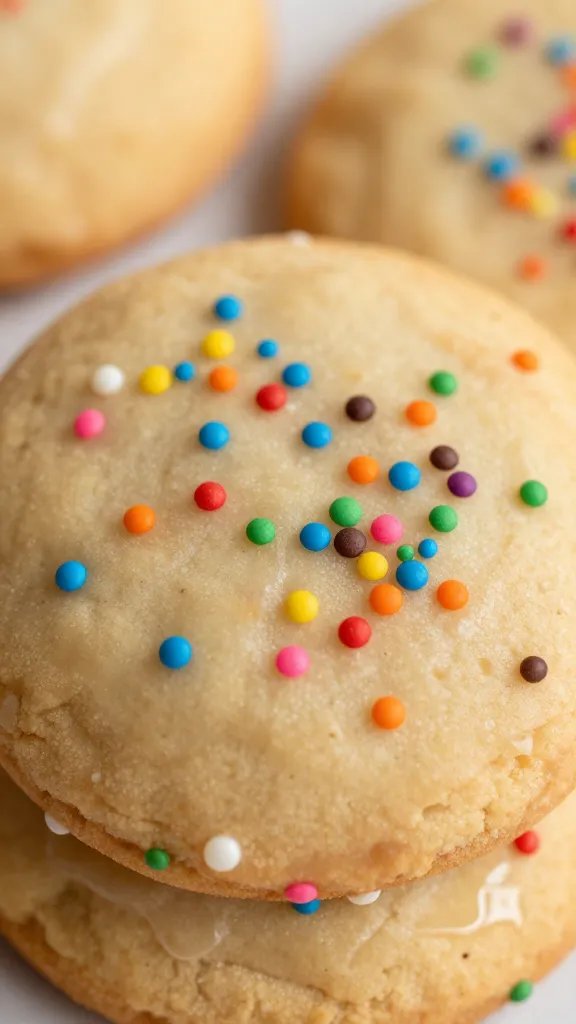
These cookies shine the day you bake them, but they also behave nicely later.
- Serve: With espresso, tea, or a “I earned this” afternoon break.
- Store: Airtight container at room temp for 3–4 days. Layer with parchment if glazed.
- Freeze unglazed: 1–2 months in a freezer bag. Thaw at room temp, then glaze fresh.
- Freeze dough: Scoop onto a tray, freeze, then bag. Bake from frozen, adding 1–2 minutes.
Party Trick
Bake a double batch, glaze half in almond, half in lemon, and mix them on a platter. People will assume you spent hours. Accept the compliments. You did great.
Common Mistakes (And Fast Fixes)
Let’s troubleshoot before anything goes sideways.
- Overbaking: If they look deeply golden, you went too far. Aim for pale with light browning at the edges.
- Gritty texture: That’s coarse almond meal. Use blanched, super-fine almond flour.
- Flat cookies: Check baking powder freshness. It dies quietly after six months. Replace it.
- Glaze sliding off: Cookies still warm or glaze too thin. Cool fully and thicken the glaze.
FAQ
Can I make these fully gluten-free?
Yes. Almond flour and tapioca or arrowroot are naturally gluten-free. Just confirm your baking powder and sprinkles list GF, and you’re golden. FYI, the starch really helps with structure, so don’t skip it.
What if I don’t like almond extract?
Use vanilla and lemon zest. You’ll get a bright, buttery cookie with a bakery feel and none of that almond punch. Anise also works if you like that classic Italian note.
Can I reduce the sugar?
You can drop it by about 2 tablespoons without wrecking the texture. Go further and the cookies get drier and less tender. For the glaze, thinner layers cut sweetness while keeping the look.
Do these taste like macarons?
Nope, different universe. These are soft, cake-y, and glazed; macarons are chewy and delicate with fillings. Both use almond flour, but that’s where the similarities end, IMO.
Why did my cookies crack on top?
Slight cracking happens when the surface sets before the center finishes. It’s normal and kind of charming. If the cracks look canyon-deep, you probably overbaked or your oven runs hot—drop the temp by 10°F next time.
Can I make them egg-free?
You can try two flax “eggs” (2 tablespoons ground flax + 5 tablespoons water, rested 10 minutes). The texture gets a bit denser and more tender-cake-like, but still tasty. Add 1 extra tablespoon starch to help them hold.
Final Thoughts
Almond flour Italian drop cookies bring that bakery-glazed joy without the rolling pin drama. They bake fast, taste nostalgic, and adapt to whatever flavor mood you’re in. Make a batch, glaze them pretty, and enjoy the most low-effort, high-reward cookie flex on your dessert table.
Loved This Recipe?
If you're looking for more simple, healthy dinners your family will actually eat, grab my FREE 7-Day Easy Dinner Reset. You'll get 7 easy dinner recipes, simple grocery lists, and a done-for-you plan that takes the stress out of mealtime.