Almond Flour Italian Shortbread That Melts in Your Mouth
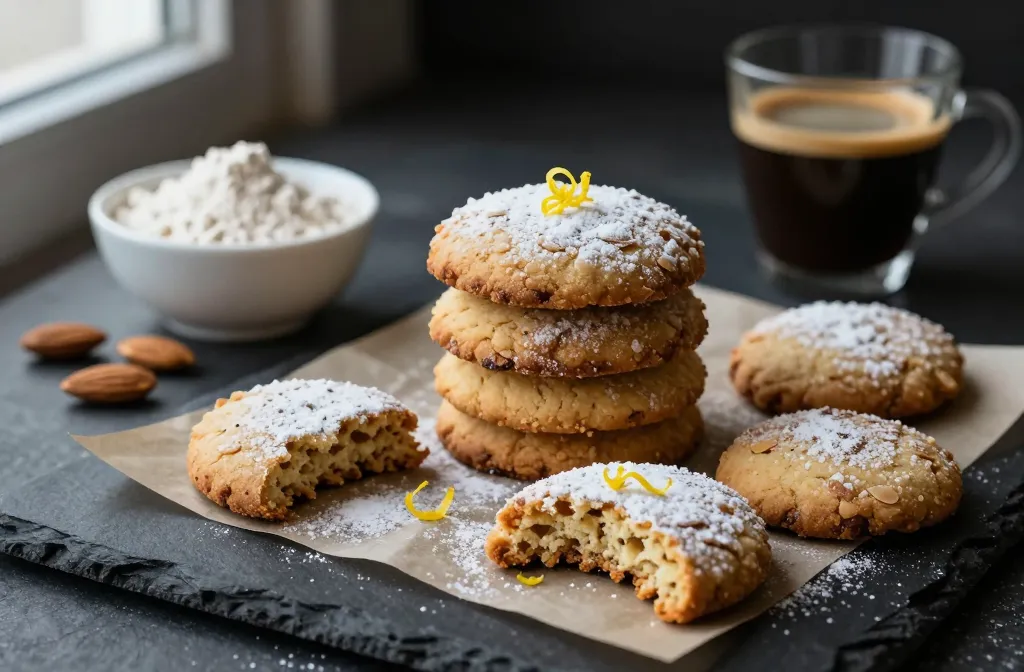
Italian shortbread but make it almond-y, tender, and totally snackable? Yes, please. If you want that sandy, rich bite that melts faster than you can say “espresso,” almond flour takes you straight there. It brings buttery texture, a whisper of nuttiness, and zero fuss. Grab a bowl, cue your favorite playlist, and let’s bake the kind of cookie that vanishes mysteriously—usually into your mouth.
Need More Easy Dinner Ideas?
Get my FREE 7-Day Easy Dinner Reset and enjoy a full week of healthy dinners without the meal-planning stress.
Why Almond Flour Makes Shortbread Extra Magical
Almond flour turns classic Italian shortbread into a texture love letter. It adds fat, sweetness, and a delicate crumb that regular flour can’t match. You get a cookie that’s tender, slightly chewy at the edges, and melt-in-the-middle. Basically, dessert diplomacy.
What makes almond flour special?
- Fat content: It naturally boosts richness without extra butter. Big win.
- No gluten: You get a tender, sandy bite instead of a tough cookie.
- Flavor: Subtle nuttiness plays so nicely with vanilla, citrus, and chocolate.
The Flavor Profile: Italian Roots, Almond Glow-Up
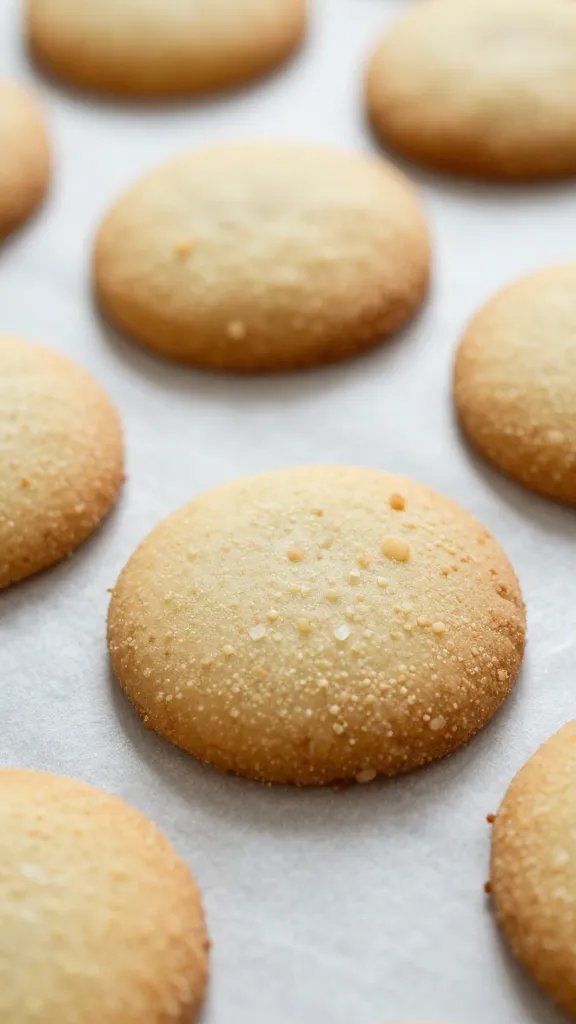
We’re not reinventing nonna’s cookie tin, just zhuzhing it. Italian shortbread leans simple—think butter-forward with graceful touches of citrus and vanilla. Almond flour amplifies those vibes like a perfect harmony.
Try these classic Italian add-ins:
- Lemon or orange zest: Bright, perfumed, very espresso-bar energy.
- Vanilla + almond extract: A few drops of almond extract = chef’s kiss. Don’t go wild.
- Dark chocolate drizzle: Because restraint? Never heard of her.
- Pinch of fine sea salt: Wakes up the sweetness and butter.
Ingredients That Matter (and Why)
Shortbread shines because of restraint. You need just a few ingredients, but each one pulls its weight.
- Unsalted butter: Softened, not melted. High-quality butter tastes like you meant business.
- Almond flour: Finely ground, blanched almond flour creates that delicate crumb.
- All-purpose flour or a GF blend: A little structure helps the cookies hold shape. You can go 100% almond flour, but expect extra tenderness and more spreading.
- Sugar: Superfine or powdered sugar makes the texture extra velvety.
- Flavor: Vanilla, almond extract, citrus zest, and a pinch of salt.
Almond Flour Ratio, IMO
For balance, I like 60% almond flour to 40% regular flour. It keeps the cookie tender but still snappy at the edges. If you want fully gluten-free, swap in a 1:1 GF blend and chill the dough longer.
Foolproof Method (Aka: How Not to Overthink It)
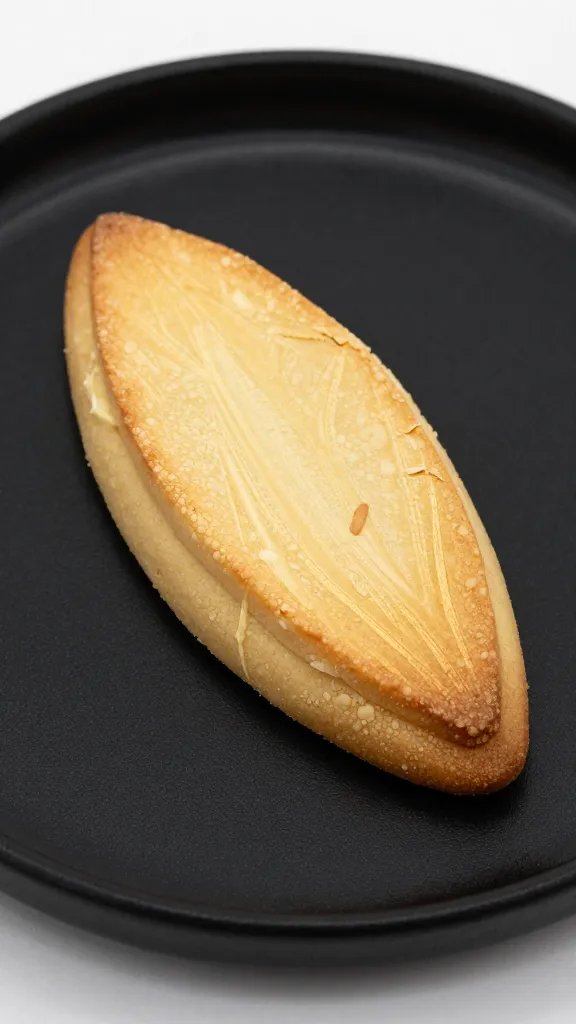
Shortbread looks fancy, but it’s weeknight-easy. Follow this flow and you’ll nail it.
- Cream the butter and sugar: Beat until pale and fluffy, about 2 minutes. This traps air and keeps things light.
- Add flavor: Mix in vanilla, a tiny splash of almond extract, and citrus zest.
- Fold in dry ingredients: Almond flour, AP flour (or GF blend), and salt. Stop mixing when it just comes together. Overmix = tough cookies. We don’t do that.
- Chill: Press dough into a disc, wrap, and chill 45–60 minutes. FYI, chilled dough = cleaner cuts and minimal spread.
- Shape: Roll between two sheets of parchment for cut-outs, or press into a parchment-lined pan for bars. Dock with a fork for that classic look.
- Bake: 325°F (165°C) until edges barely turn gold, 14–18 minutes for cookies, 22–28 for bars. Pull early rather than late.
- Finish: Cool completely. Dust with powdered sugar or drizzle with melted dark chocolate. Eat two. For science.
Cut-Outs vs. Pan-Baked Bars
– Cut-outs: Prettier, great for gifting, a touch crisper at the edges.
– Bars: Maximum melt-in-mouth factor. Also: lazy-friendly. IMO, bars win for everyday snacking.
Texture Tricks You’ll Actually Use
Want that perfect sandy bite without crumbling into chaos? Try these.
- Use powdered sugar: It dissolves faster and gives you a silkier crumb.
- Don’t overbake: Pale gold at the edges = done. Brown means “we tried.”
- Chill twice if needed: After cutting shapes, chill 10 minutes before baking to keep clean edges.
- Finish with a kiss of salt: A few flakes on top add crunch and balance. Fancy but not fussy.
If You’re Going Fully Gluten-Free
– Use 100% almond flour plus 1–2 tablespoons cornstarch for tenderness.
– Add an egg yolk if the dough feels too crumbly; it helps bind without making it cakey.
– Chill longer (at least 1 hour) and bake as bars to avoid spreading drama.
Never Wonder What's For Dinner Again
Save time, eat healthier, and take the stress out of dinner. Get a full week of easy healthy dinners delivered straight to your inbox.
Flavor Variations That Slap
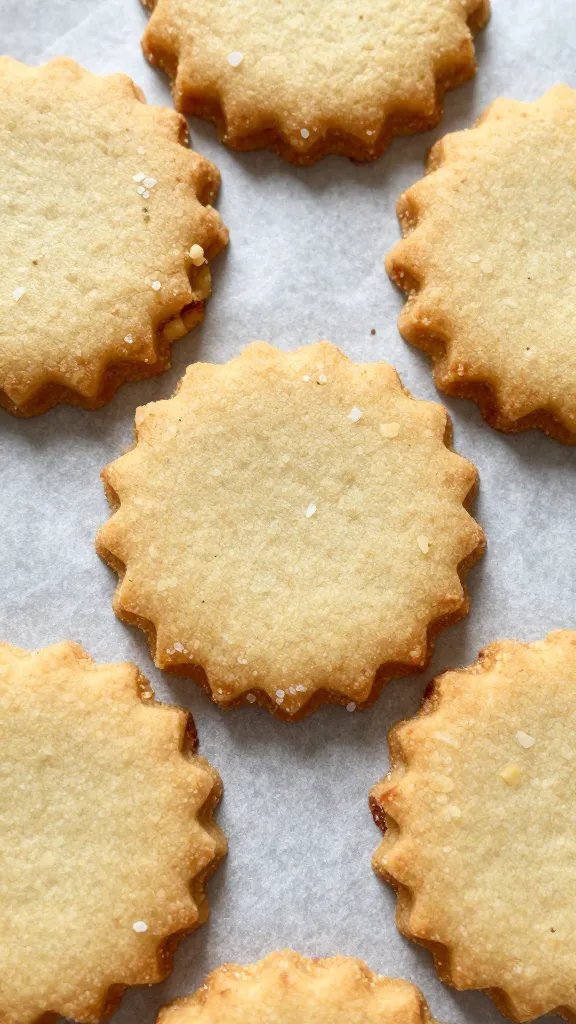
Shortbread plays well with others. Here are combos that taste like vacation.
- Amaretto + orange: Replace 1 teaspoon vanilla with 1 tablespoon amaretto; add orange zest.
- Lemon pistachio: Lemon zest in the dough, chopped pistachios pressed on top.
- Espresso chocolate: 1 teaspoon instant espresso in the dry mix; dark chocolate drizzle to finish.
- Rosemary sea salt: Very Italian bistro. Finely chop fresh rosemary and sprinkle flaky salt post-bake.
- Hazelnut twist: Sub 1/3 of almond flour with hazelnut meal; add a Nutella swirl on bars.
Serving, Storing, and Gifting
This cookie thrives with coffee, tea, or that 10 p.m. “just one more” moment. Serve alongside berries or gelato if you’re feeling extra. Or keep it simple and let the buttery almond vibe do the talking.
Storage tips:
- Room temp: Airtight container, 5–7 days. They actually taste better on day two.
- Freezer: Freeze baked cookies or dough for up to 2 months. Bake from chilled for clean edges.
- Gift it: Stack in parchment-lined tins, add a citrus peel for aroma, and act like you didn’t eat half the batch.
FAQ
Can I use almond meal instead of almond flour?
You can, but expect a slightly coarser texture and darker specks from the skins. The cookies still taste great, just less delicate. If you want that classic melt, choose blanched, finely ground almond flour.
Why did my shortbread spread too much?
Warm dough and too much butter often cause spread. Chill thoroughly, measure butter accurately, and bake at 325°F. If you go 100% almond flour, consider baking as bars or adding a spoonful of cornstarch.
Do I need a mixer?
A hand mixer helps, but a sturdy spatula works if you soften the butter properly. Cream until fluffy, not greasy-melty. Your arm gets a workout—bonus cookie calories earned.
How sweet should Italian shortbread be?
Italian shortbread usually leans less sweet than American cookies. Let the butter and almond shine, then finish with powdered sugar or a drizzle if you want a touch more sweetness. Subtlety reads as fancy, FYI.
Can I make them dairy-free?
Yes. Use a high-quality dairy-free butter with at least 75–80% fat. Expect a softer set, so chill the dough longer and bake as bars for best results.
What’s the best way to cut clean bars?
Let the baked slab cool completely, then chill 20 minutes. Use a sharp knife and wipe between cuts. It’s fussy but satisfying, like slicing the perfect brownie.
Wrapping It Up
Almond flour Italian shortbread gives you buttery richness, a plush crumb, and that “I’m fancy but effortless” energy. Keep it classic with vanilla and zest, or go rogue with espresso and chocolate. Either way, you’ll bake a batch that disappears fast—IMO the highest compliment a cookie can get. Now go preheat the oven and claim the corner pieces before anyone else notices.
Loved This Recipe?
If you're looking for more simple, healthy dinners your family will actually eat, grab my FREE 7-Day Easy Dinner Reset. You'll get 7 easy dinner recipes, simple grocery lists, and a done-for-you plan that takes the stress out of mealtime.