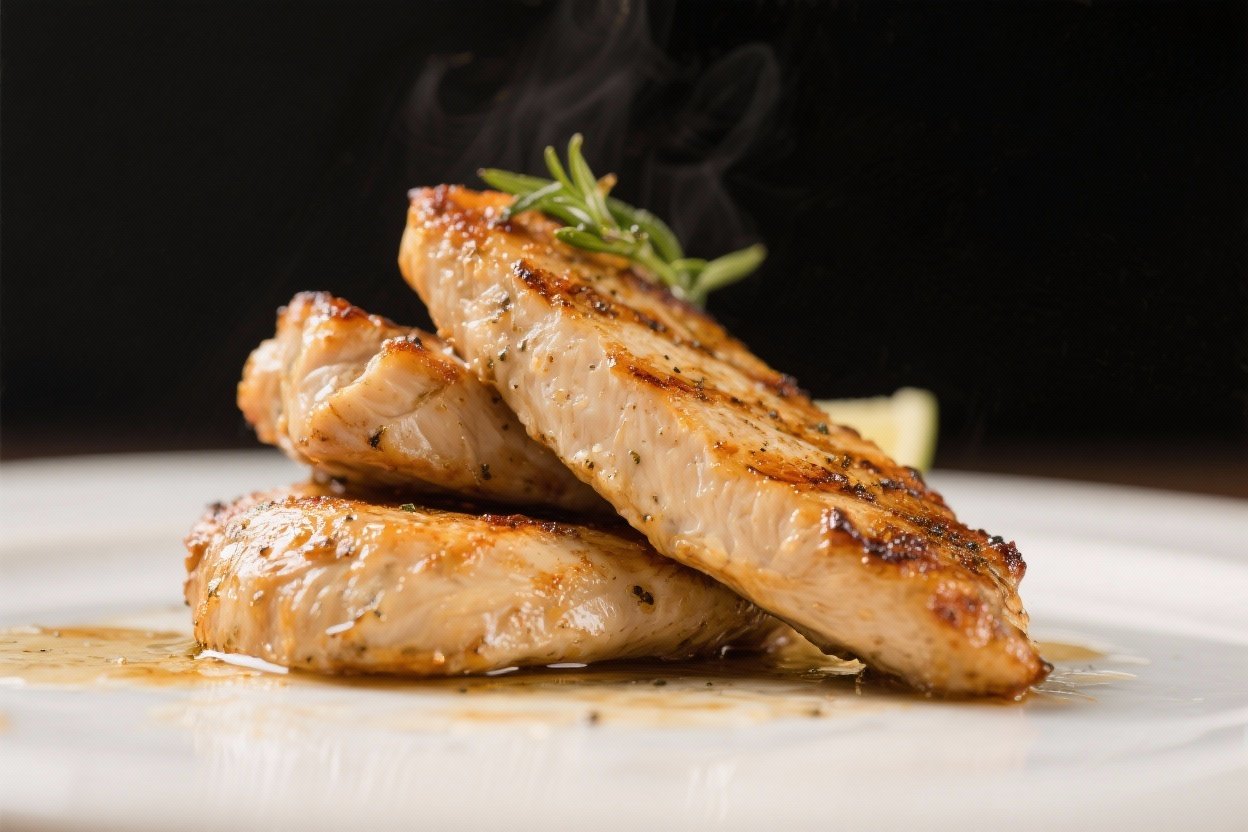
Pan-Seared Chicken Tenderloins – Quick, Juicy, and Full of Flavor
Pan-seared chicken tenderloins are the kind of weeknight win everyone needs. They cook fast, take on flavor easily, and turn out juicy when done right. Pair them with a simple salad, roasted veggies, or a pot of rice, and dinner is done with minimal effort.
Need More Easy Dinner Ideas?
Get my FREE 7-Day Easy Dinner Reset and enjoy a full week of healthy dinners without the meal-planning stress.
This recipe keeps things simple but packs in great texture and flavor. If you’re craving something no-fuss that still tastes like you put in real effort, this one’s for you.
What Makes This Special
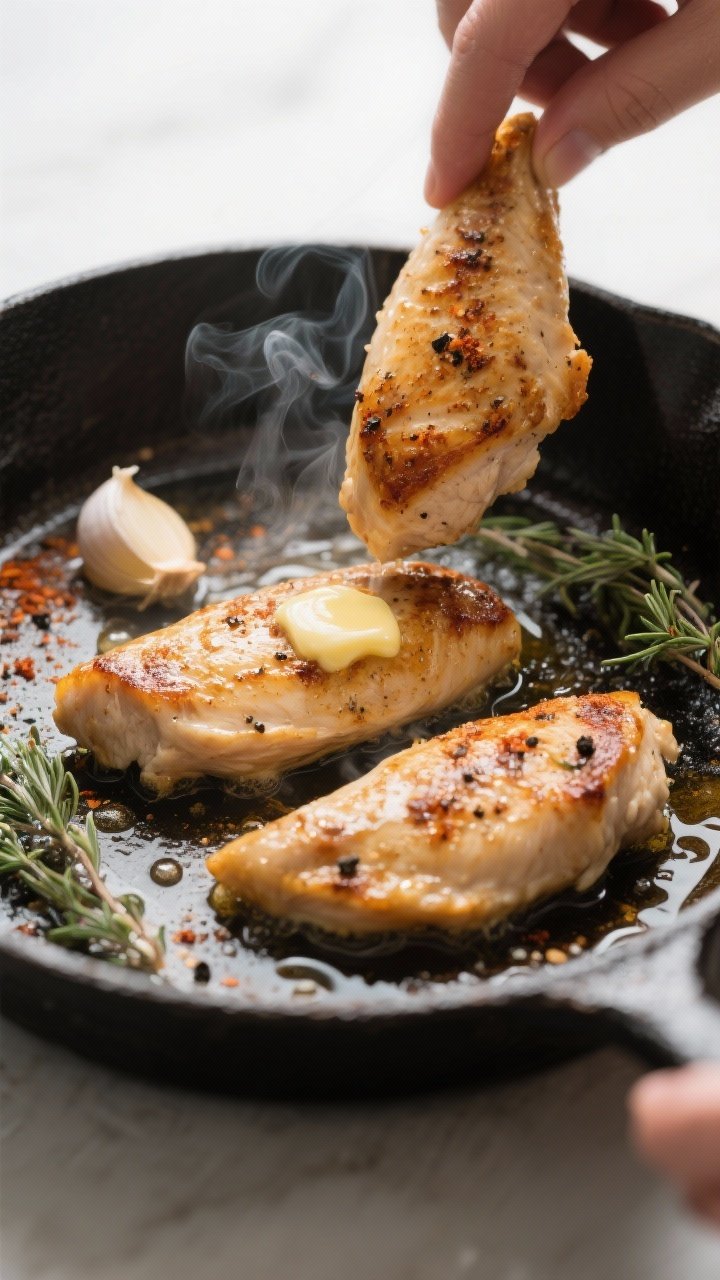
Chicken tenderloins are naturally tender, so you get a soft, juicy bite without marinating for hours. A quick sear creates a golden crust that locks in moisture and adds a toasty, savory flavor.
You can season them simply or build on them with sauces and sides—super flexible either way. Best of all, they cook in under 10 minutes, so it’s ideal for busy nights or meal prep.
What You’ll Need
- 1 to 1.5 pounds chicken tenderloins (usually 10–14 pieces)
- 1.5 teaspoons kosher salt (adjust to taste)
- 1 teaspoon black pepper
- 1 teaspoon garlic powder
- 1/2 teaspoon onion powder
- 1/2 teaspoon smoked paprika (or sweet paprika)
- 2–3 tablespoons olive oil (or avocado oil)
- 1 tablespoon butter (optional for finishing)
- 1 lemon (zest and wedges for serving)
- Fresh herbs like parsley or thyme (optional)
Optional add-ins: a pinch of red pepper flakes, a splash of chicken broth to deglaze, or a spoonful of Dijon for a quick pan sauce.
How to Make It
- Pat the chicken dry. Use paper towels to remove surface moisture. Dry chicken sears better and browns more evenly.
- Season generously. Mix salt, pepper, garlic powder, onion powder, and smoked paprika.
Sprinkle evenly over both sides of the tenderloins and press it in lightly.
- Preheat your pan. Set a large skillet (stainless steel or cast iron works best) over medium-high heat. Add the oil and let it shimmer. A hot pan is the key to a good crust.
- Arrange without crowding. Add the tenderloins in a single layer.
If your pan is small, cook in batches. Overcrowding steams the chicken instead of searing it.
- Let them sear. Cook the first side for 2–3 minutes without moving them. You’re looking for golden edges and a little browning.
- Flip and finish. Turn the tenderloins and cook another 2–3 minutes.
Add butter in the last minute and baste for extra flavor and shine.
- Check doneness. The centers should be opaque and juicy. An instant-read thermometer should read 165°F (74°C) at the thickest part.
- Brighten with lemon. Turn off the heat. Zest the lemon over the chicken and squeeze a little juice.
Toss gently to coat.
- Rest briefly. Let the chicken sit for 3 minutes to keep the juices inside. Top with chopped parsley or thyme if you like.
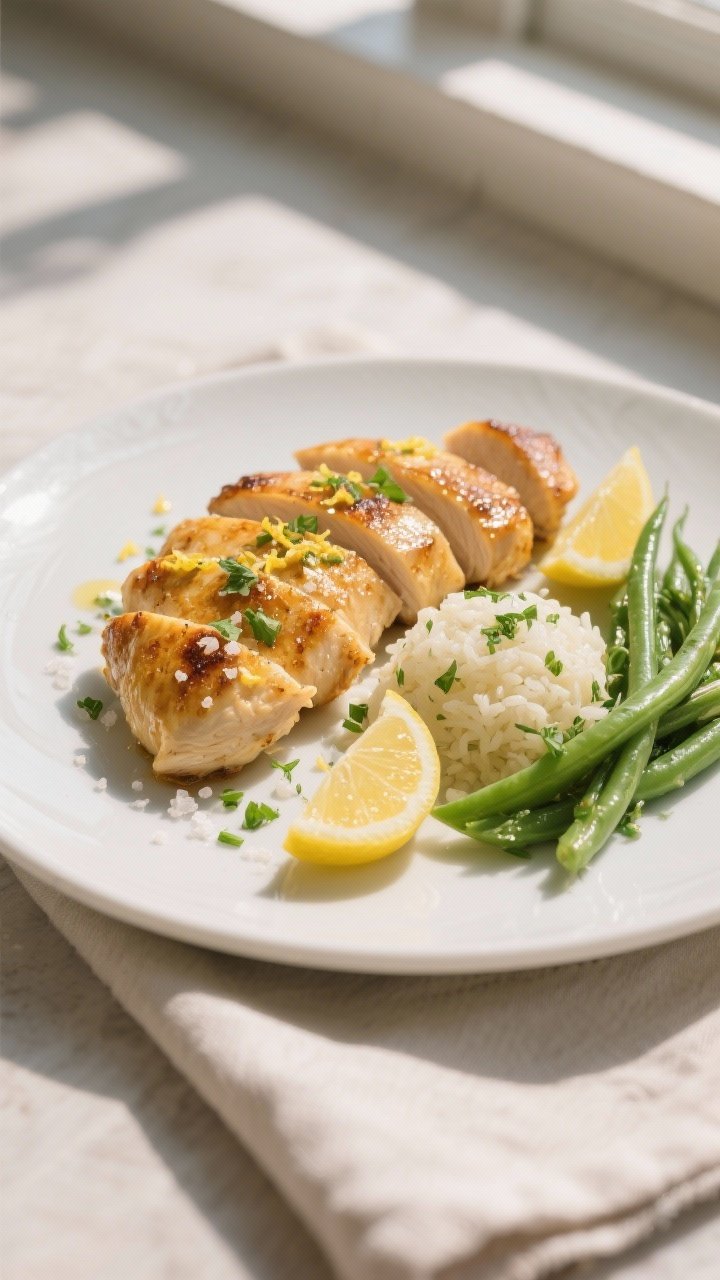
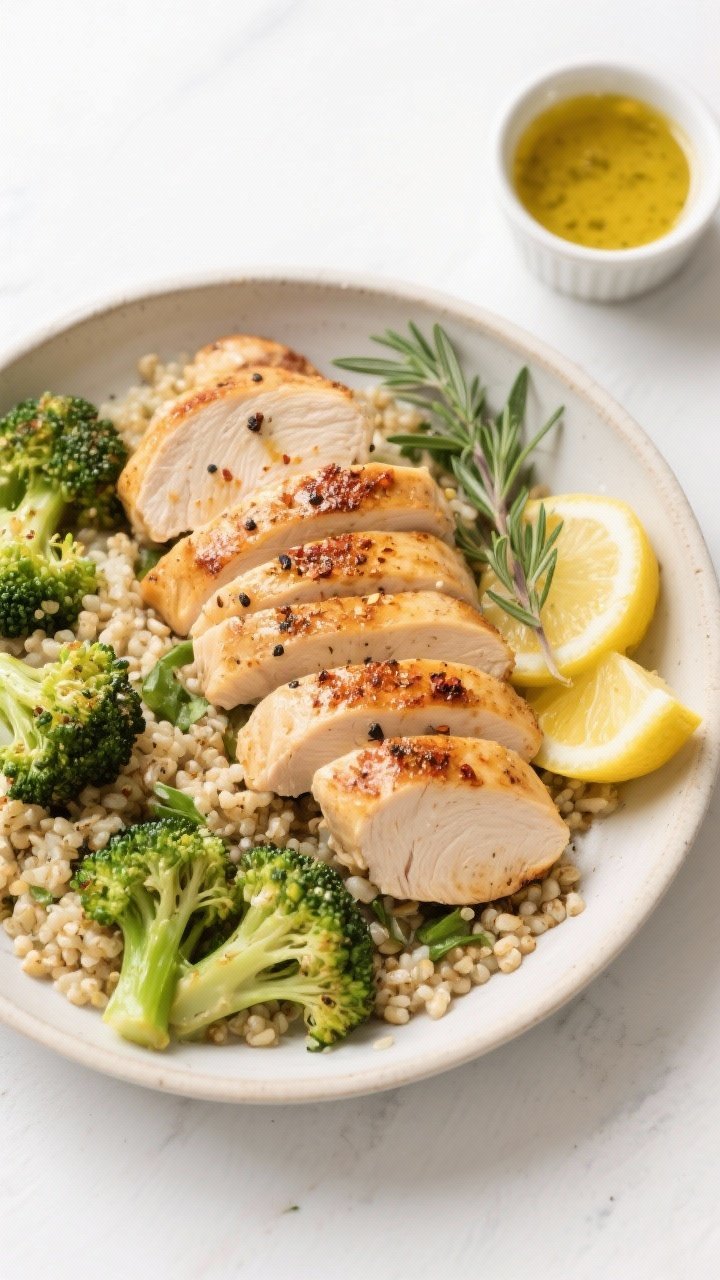
- Serve. Pair with rice, mashed potatoes, sautéed greens, or a simple salad. Add extra lemon wedges at the table.
Storage Instructions
- Refrigerate: Store in an airtight container for up to 4 days.
Let the chicken cool slightly before sealing to avoid condensation.
- Freeze: Freeze cooked tenderloins for up to 2 months. Wrap tightly or use freezer bags, removing as much air as possible.
- Reheat: Warm gently in a skillet over low heat with a splash of water or broth, covered, for 3–5 minutes. Or microwave in short bursts at 50% power to avoid drying.
- Meal prep tip: Slice and pack with cooked grains and veggies for easy lunches.
Add sauce or dressing just before eating.
Health Benefits
- Lean protein: Chicken tenderloins are high in protein and low in fat, making them great for muscle repair and steady energy.
- Balanced cooking method: Pan-searing uses minimal oil and keeps nutrients intact. No heavy breading or deep frying required.
- Customizable sodium and spice: You control the salt and seasoning, which is helpful for heart health and dietary needs.
- Supports variety: Pair with fiber-rich sides like vegetables and whole grains to build a nutrient-dense plate.
What Not to Do
- Don’t start with a cold pan. You won’t get good browning, and the chicken may stick.
- Don’t overcrowd. Too many pieces in the pan will steam the chicken and make it pale and soggy.
- Don’t overcook. Tenderloins are small and cook fast. Going past 165°F dries them out quickly.
- Don’t skip resting. Cutting right away lets the juices run out, leaving the meat drier.
- Don’t drown in sauce during cooking. Add sauces at the end or after searing to keep the crust intact.
Alternatives
- Flavor swaps: Try lemon-pepper, Cajun seasoning, Italian herbs, or a honey-mustard glaze after searing.
- Butter-basted garlic: Add smashed garlic cloves and a sprig of thyme or rosemary in the final minute for a steakhouse-style finish.
- Pan sauce: Remove the chicken, deglaze the pan with 1/3 cup chicken broth and a teaspoon of Dijon.
Whisk in a small knob of butter until silky.
- Different fats: Use ghee or avocado oil for higher-heat cooking. For a richer flavor, finish with a pat of butter.
- Batch cook: Make extra and slice for tacos, wraps, Caesar salads, or pasta.
FAQ
Can I use chicken breasts instead of tenderloins?
Yes. Slice boneless, skinless chicken breasts into 1-inch-wide strips for similar size and cook time.
You may need an extra minute per side depending on thickness.
Never Wonder What's For Dinner Again
Save time, eat healthier, and take the stress out of dinner. Get a full week of easy healthy dinners delivered straight to your inbox.
How do I keep the chicken from sticking?
Preheat the pan well and use enough oil to lightly coat the surface. Don’t try to flip too early—once a crust forms, the chicken releases more easily.
Do I need to marinate the tenderloins?
No. They’re tender by nature and take seasoning well.
If you want extra flavor, a 20–30 minute marinade with lemon, olive oil, and garlic works great.
What pan works best?
Cast iron or stainless steel gives the best sear. Nonstick works too but won’t brown quite as deeply. Adjust heat so the oil shimmers but doesn’t smoke.
How do I know when they’re done without a thermometer?
Cut into the thickest piece.
The juices should run clear, and the center should be opaque and white, not pink. Still, a thermometer is the most reliable tool.
Can I make this dairy-free?
Yes. Skip the butter and finish with olive oil and lemon.
You’ll still get great flavor and a lovely sheen.
What should I serve with it?
Good sides include roasted potatoes, steamed green beans, garlicky broccoli, quinoa, or a crisp salad. Add a simple yogurt sauce or chimichurri for extra flair.
Is brining worth it?
A quick brine (1 tablespoon salt per cup of water, 20 minutes) can add moisture and seasoning. Pat dry very well before searing to keep the crust sharp.
Wrapping Up
Pan-seared chicken tenderloins are fast, reliable, and easy to customize.
With a hot pan, simple seasoning, and a squeeze of lemon, you’ll get juicy chicken with a golden crust every time. Keep these steps in your back pocket, and dinner practically cooks itself. Once you master the basic method, you can spin it into countless weeknight meals.
Enjoy the simplicity—and the leftovers, if there are any.
Loved This Recipe?
If you're looking for more simple, healthy dinners your family will actually eat, grab my FREE 7-Day Easy Dinner Reset. You'll get 7 easy dinner recipes, simple grocery lists, and a done-for-you plan that takes the stress out of mealtime.