Keto Protein Muffins – Easy, Satisfying, and Great for On-the-Go
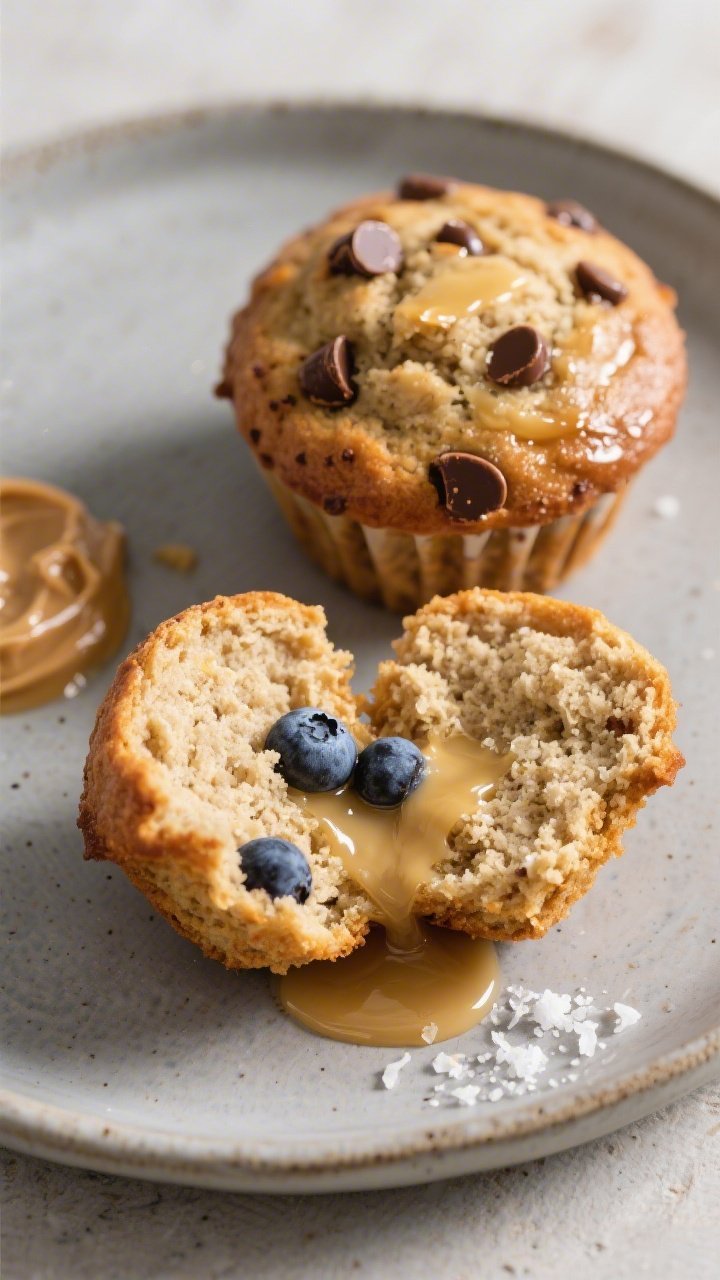
If you’re looking for a quick breakfast or snack that actually keeps you full, these keto protein muffins do the job. They’re lightly sweet, tender, and packed with protein without the sugar crash. You can make a batch on Sunday and have grab-and-go bites all week.
Need More Easy Dinner Ideas?
Get my FREE 7-Day Easy Dinner Reset and enjoy a full week of healthy dinners without the meal-planning stress.
They’re easy to customize, too—add a few berries, nuts, or sugar-free chocolate chips. Best of all, they taste like a treat while staying low in carbs.
Ingredients
Method
- Preheat and prep: Heat the oven to 350°F (175°C). Line a 12-cup muffin tin with paper liners or use a silicone pan. Lightly grease the liners if you want extra insurance against sticking.
- Mix dry ingredients: In a large bowl, whisk 2 cups almond flour, 1/2 cup whey protein isolate, 1 tablespoon psyllium husk powder, 2 teaspoons baking powder, 1/2 cup sweetener, 1/2 teaspoon sea salt, and 1 teaspoon cinnamon. Break up any clumps for an even batter.
- Whisk wet ingredients: In a separate bowl, whisk 3 large eggs, 1 cup unsweetened almond milk, 1/3 cup melted coconut oil or butter, and 1 teaspoon vanilla extract until smooth.
- Combine gently: Pour the wet mixture into the dry bowl. Stir with a spatula until just combined. The batter should be thick but scoopable. If it’s too thick (like cookie dough), add 1–2 more tablespoons of almond milk.
- Fold in add-ins: If using chocolate chips, nuts, or berries, fold in up to 1/2 cup total. Keep berries minimal to manage carbs and moisture.
- Fill the cups: Divide the batter evenly among the 12 muffin cups, filling each about 3/4 full. Smooth the tops lightly with a spoon if needed.
- Bake: Bake for 18–22 minutes, or until the tops are set and a toothpick comes out mostly clean with a few moist crumbs. Avoid overbaking to keep them tender.
- Cool completely: Let the muffins cool in the pan for 10 minutes, then transfer to a rack. Cool fully before storing so condensation doesn’t make them soggy.
- Taste and adjust: Try one once cooled. If you prefer sweeter muffins next time, increase the sweetener by 1–2 tablespoons. For more lift, add another 1/2 teaspoon of baking powder.
What Makes This Special
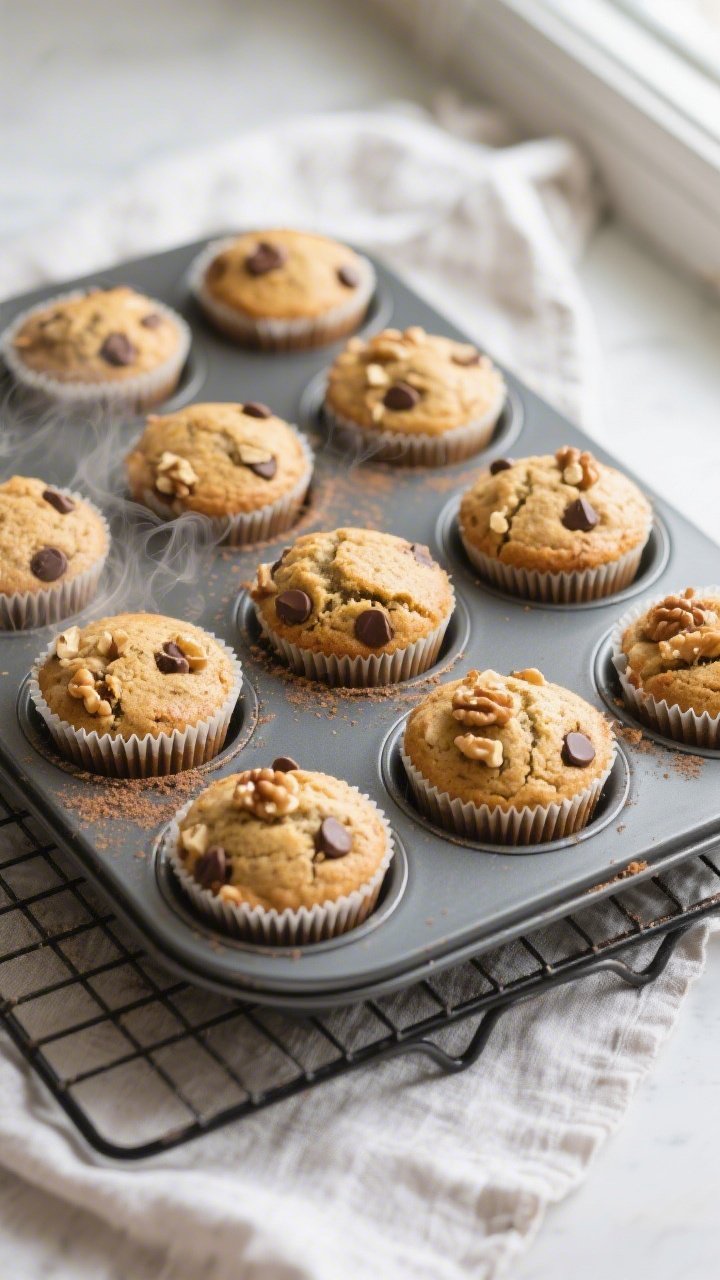
These muffins balance flavor, texture, and nutrition. Almond flour gives them a soft, cake-like crumb, while whey or collagen adds a protein boost without drying them out.
A touch of cinnamon and vanilla keeps them cozy and familiar. They bake quickly and freeze well, so you can keep your routine simple. Each muffin delivers protein and fat with minimal net carbs, making it a smart option for keto or low-carb lifestyles.
Shopping List
- Almond flour (super-fine works best)
- Unflavored or vanilla whey protein isolate (or collagen peptides)
- Psyllium husk powder (or ground flaxseed for texture)
- Baking powder
- Granular erythritol or allulose (or your preferred keto sweetener)
- Sea salt
- Ground cinnamon (optional but recommended)
- Eggs
- Unsweetened almond milk (or unsweetened coconut milk)
- Melted coconut oil or melted butter
- Vanilla extract
- Optional add-ins: sugar-free chocolate chips, chopped walnuts or pecans, blueberries (use sparingly), unsweetened shredded coconut
Step-by-Step Instructions
- Preheat and prep: Heat the oven to 350°F (175°C). Line a 12-cup muffin tin with paper liners or use a silicone pan.
Lightly grease the liners if you want extra insurance against sticking.
- Mix dry ingredients: In a large bowl, whisk 2 cups almond flour, 1/2 cup whey protein isolate, 1 tablespoon psyllium husk powder, 2 teaspoons baking powder, 1/2 cup sweetener, 1/2 teaspoon sea salt, and 1 teaspoon cinnamon. Break up any clumps for an even batter.
- Whisk wet ingredients: In a separate bowl, whisk 3 large eggs, 1 cup unsweetened almond milk, 1/3 cup melted coconut oil or butter, and 1 teaspoon vanilla extract until smooth.
- Combine gently: Pour the wet mixture into the dry bowl. Stir with a spatula until just combined.
The batter should be thick but scoopable. If it’s too thick (like cookie dough), add 1–2 more tablespoons of almond milk.
- Fold in add-ins: If using chocolate chips, nuts, or berries, fold in up to 1/2 cup total. Keep berries minimal to manage carbs and moisture.
- Fill the cups: Divide the batter evenly among the 12 muffin cups, filling each about 3/4 full.
Smooth the tops lightly with a spoon if needed.
- Bake: Bake for 18–22 minutes, or until the tops are set and a toothpick comes out mostly clean with a few moist crumbs. Avoid overbaking to keep them tender.
- Cool completely: Let the muffins cool in the pan for 10 minutes, then transfer to a rack. Cool fully before storing so condensation doesn’t make them soggy.
- Taste and adjust: Try one once cooled.
If you prefer sweeter muffins next time, increase the sweetener by 1–2 tablespoons. For more lift, add another 1/2 teaspoon of baking powder.
Storage Instructions
- Room temperature: Store in an airtight container for up to 2 days. Keep a paper towel in the container to absorb moisture.
- Refrigerator: Keeps well for 5–6 days.
Warm in the microwave for 10–15 seconds to soften.
- Freezer: Freeze in a single layer, then transfer to a freezer bag for up to 3 months. Thaw overnight in the fridge or microwave from frozen in 20–30 second bursts.
Benefits of This Recipe
- High protein, low sugar: You get steady energy without the mid-morning crash.
- Easy meal prep: One bowl for dry, one for wet, and a quick bake—done in under 30 minutes.
- Customizable: Adjust sweetness, spices, and add-ins to fit your tastes and macros.
- Gluten-free and grain-free: Almond flour keeps carbs in check while delivering a soft crumb.
- Kid-friendly: With chocolate chips or cinnamon, they taste like a treat without the sugar overload.
Pitfalls to Watch Out For
- Overbaking: Protein can dry out quickly. Pull them when the centers are set but still moist.
- Using the wrong protein: Whey concentrate or casein can make muffins dense. Whey isolate or collagen peptides works best here.
- Too much psyllium: A little adds structure, but too much makes them gummy.
Stick to about 1 tablespoon.
- Sweetener swaps: Erythritol can crystallize as it cools. If you prefer a softer texture, try allulose or a blend.
- Skipping liners: Keto batters can stick. Use liners or a well-greased silicone pan.
Alternatives
- Flour swap: Use 1/4 cup coconut flour plus 1 3/4 cups almond flour if you need a drier batter.
Pure coconut flour alone will need more eggs and liquid, so avoid a one-to-one swap.
- Dairy-free: Choose collagen or a neutral pea protein isolate and use coconut oil plus almond or coconut milk.
- Flavor twists: Lemon zest and poppy seeds; pumpkin spice with a few tablespoons of pumpkin puree (reduce almond milk slightly); or mocha with 1 tablespoon cocoa powder and a pinch of instant espresso.
- Sweetener options: Allulose for a softer crumb; monk fruit-erythritol blends for balanced sweetness; stevia drops to boost flavor alongside a granular base.
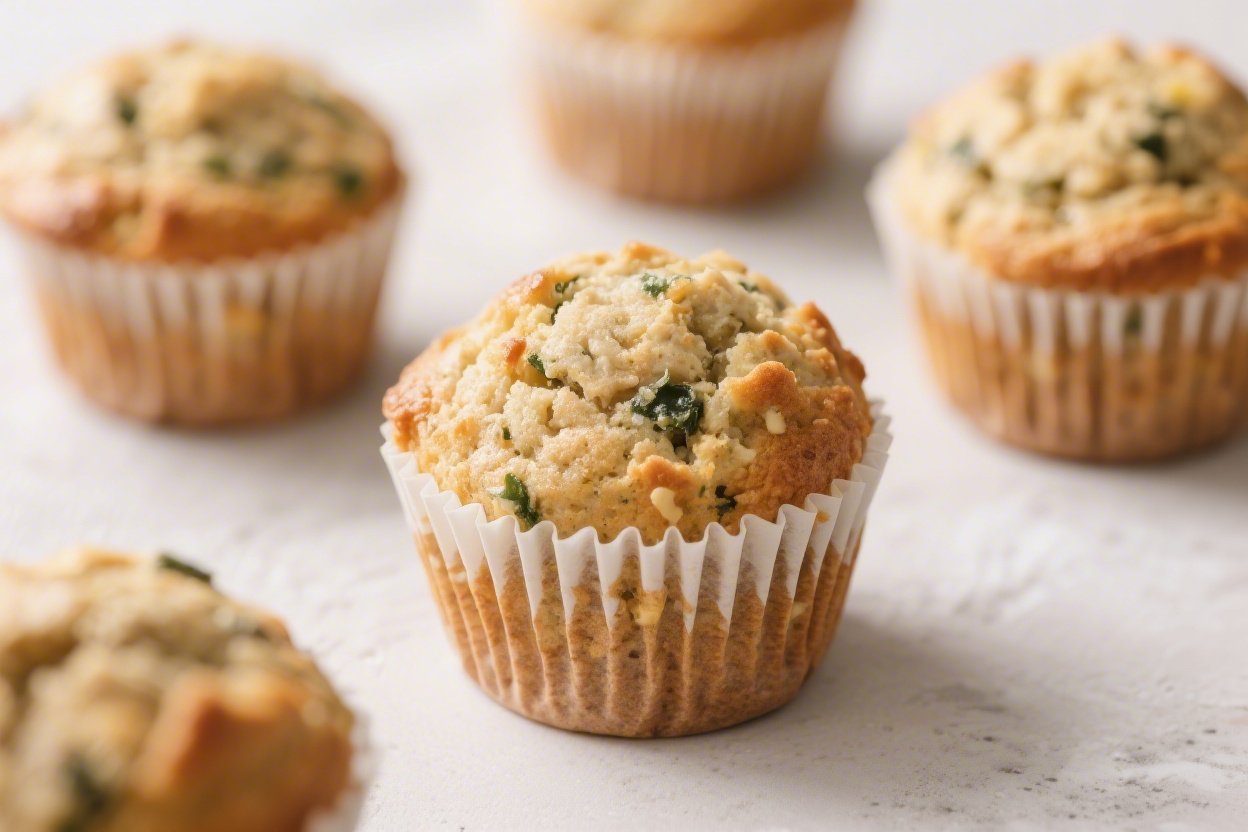
- Savory version: Skip the sweetener and vanilla. Add shredded cheese, chopped cooked bacon, and herbs. Reduce almond milk by 1–2 tablespoons if the mix feels loose.
FAQ
How many net carbs are in each muffin?
It varies with your ingredients and add-ins, but most versions land around 3–5 net carbs per muffin when using almond flour, erythritol or allulose, and no fruit.
Always calculate based on your specific brands and extras.
Never Wonder What's For Dinner Again
Save time, eat healthier, and take the stress out of dinner. Get a full week of easy healthy dinners delivered straight to your inbox.
Can I use casein or a plant protein?
Yes, but expect a denser texture. Casein absorbs more liquid, so add an extra 2–3 tablespoons of almond milk. For plant proteins, pea isolate works best; avoid gritty blends with lots of fibers or gums.
Do I have to use psyllium husk powder?
No, but it helps bind and improves the crumb.
Ground flaxseed is a good substitute at the same amount. If you skip both, the muffins will be more delicate.
Why did my muffins sink in the middle?
Likely too much liquid, underbaking, or an expired leavening agent. Measure carefully, check your baking powder’s freshness, and bake until the centers spring back lightly to the touch.
Can I make these egg-free?
Keto muffins without eggs can be tricky.
You can try two flax “eggs” (2 tablespoons ground flax + 6 tablespoons water) for the 3 eggs, but expect a slightly denser muffin. Increase baking time by a couple of minutes if needed.
What’s the best way to reheat them?
Microwave for 10–15 seconds or warm in a 300°F (150°C) oven for 5–7 minutes. Avoid overheating, which can dry them out.
Can I add fruit?
Yes, but keep it minimal to stay keto-friendly.
Blueberries or raspberries are good choices—use about 1/3 to 1/2 cup for the whole batch and fold in gently.
How do I make them sweeter without adding carbs?
Increase your keto sweetener by 1–2 tablespoons or add a few drops of liquid stevia. A pinch of salt also boosts perceived sweetness.
Why are my muffins grainy?
Coarse almond flour or crystallized erythritol can cause texture issues. Use super-fine almond flour and consider allulose or a blend for a smoother crumb.
Can I turn this into a loaf?
Yes.
Pour the batter into a greased 8×4-inch loaf pan and bake at 325°F (165°C) for 35–45 minutes, tenting with foil if the top browns too quickly. Let it cool fully before slicing.
Wrapping Up
Keto protein muffins are a simple way to keep breakfast or snacks both satisfying and low in carbs. With a short ingredient list and quick prep, they fit easily into busy schedules.
Tweak the flavors, freeze a batch, and you’ll always have something tasty and filling on hand. Keep an eye on bake time, choose the right protein, and you’ll get soft, tender muffins every time. Enjoy them warm with a pat of butter or a smear of almond butter for an extra boost.
Printable Recipe Card
Want just the essential recipe details without scrolling through the article? Get our printable recipe card with just the ingredients and instructions.
Loved This Recipe?
If you're looking for more simple, healthy dinners your family will actually eat, grab my FREE 7-Day Easy Dinner Reset. You'll get 7 easy dinner recipes, simple grocery lists, and a done-for-you plan that takes the stress out of mealtime.