Keto Almond Flour Shortbread Cookies
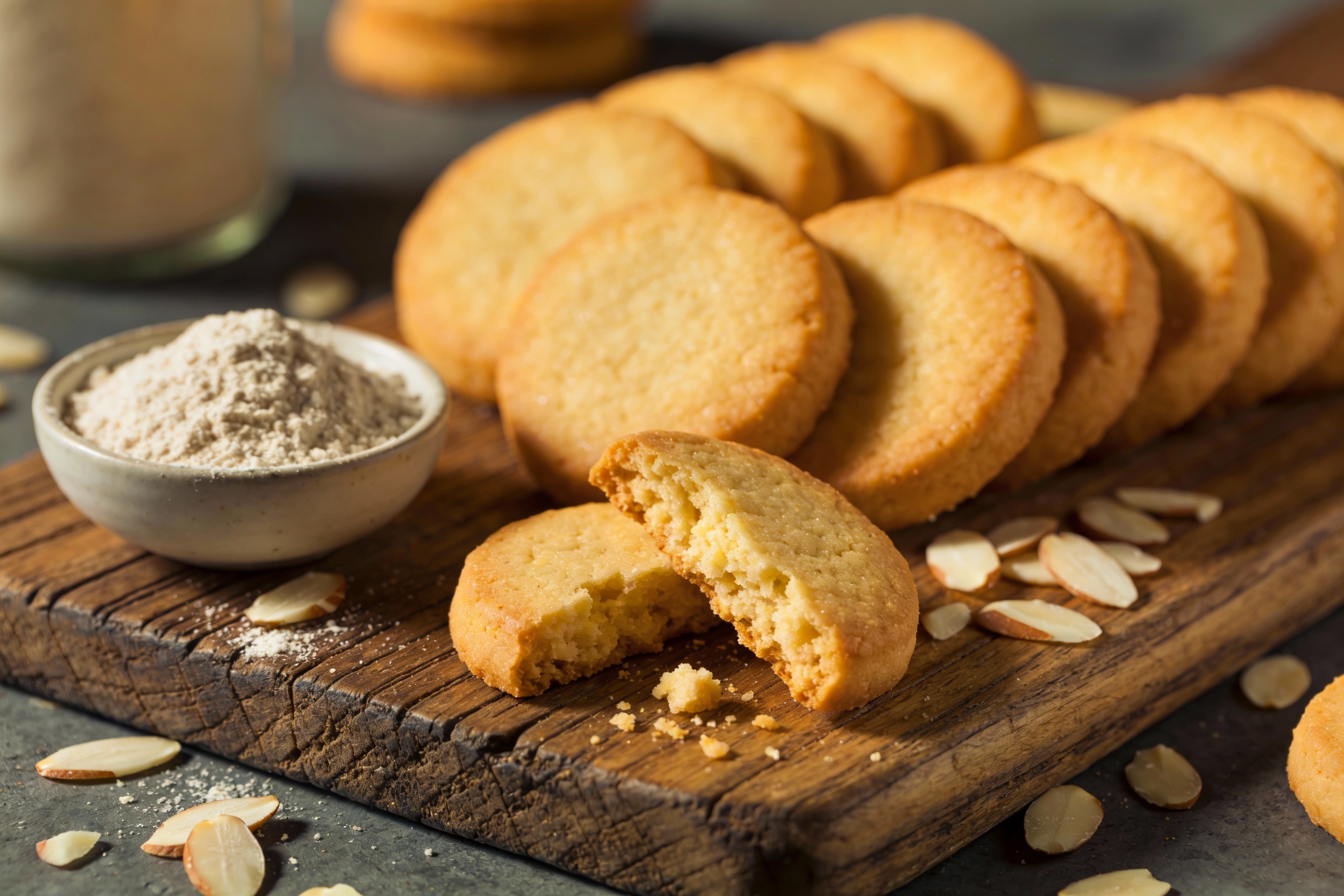
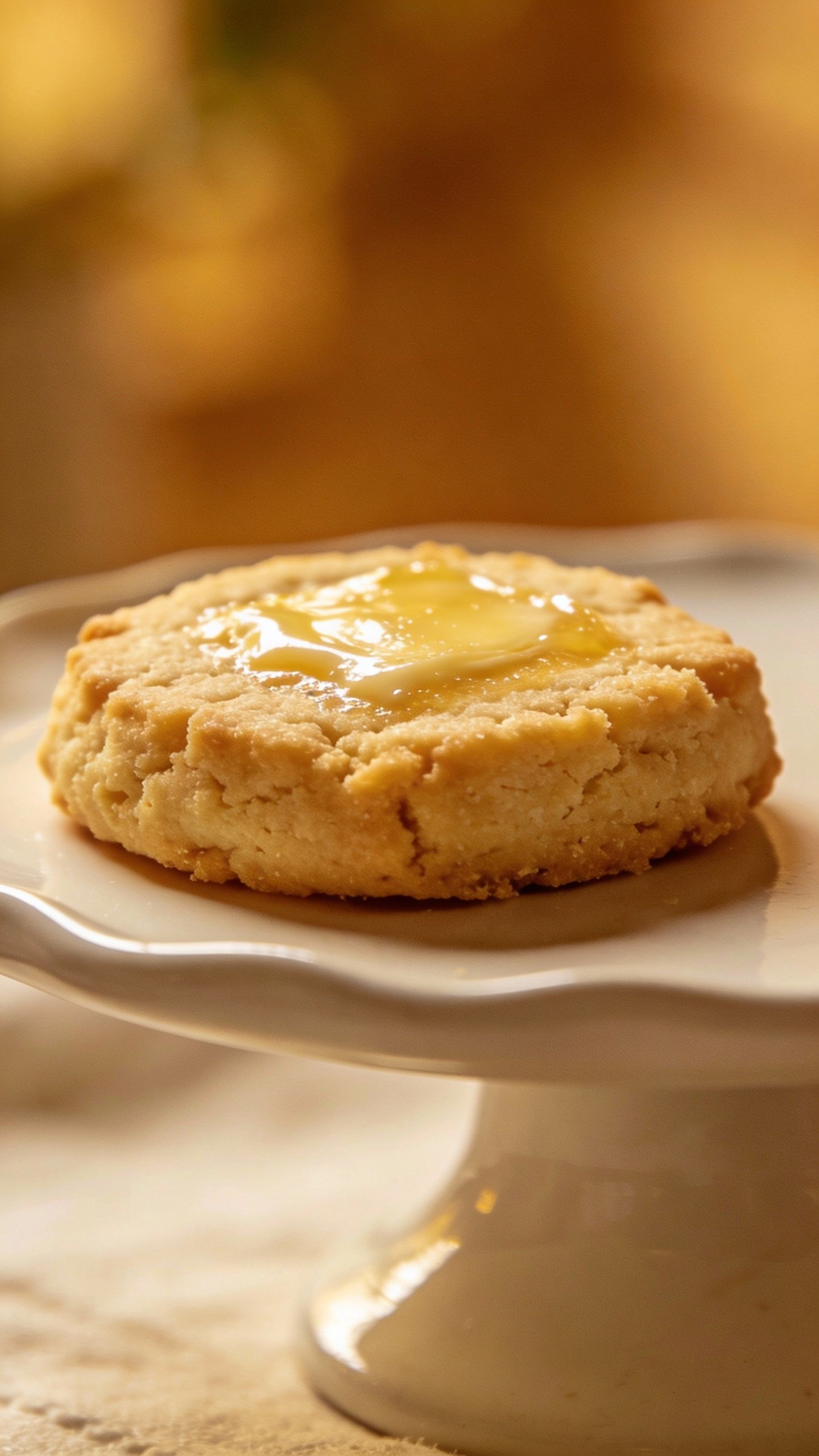
Shortbread that melts on your tongue and doesn’t blow your carbs? Yes, please. Keto almond flour shortbread cookies bring all the buttery bliss without the sugar crash. They’re simple, fast, and honestly a little dangerous—you’ll “taste test” half the batch while they cool. Ready to bake cookies that actually fit your goals? Let’s do it.
Need More Easy Dinner Ideas?
Get my FREE 7-Day Easy Dinner Reset and enjoy a full week of healthy dinners without the meal-planning stress.
Why Almond Flour Shortbread Works So Well
Almond flour and butter love each other. The fat in almond flour plus the fat in butter gives you that classic, crumbly shortbread texture. No wheat needed.
Traditional shortbread uses sugar for sweetness and structure. We swap it with a keto-friendly sweetener and keep everything else straightforward. You’ll still get rich flavor, crisp edges, and a tender interior. And yes, it pairs beautifully with coffee.
The Core Ingredients (and What They Do)
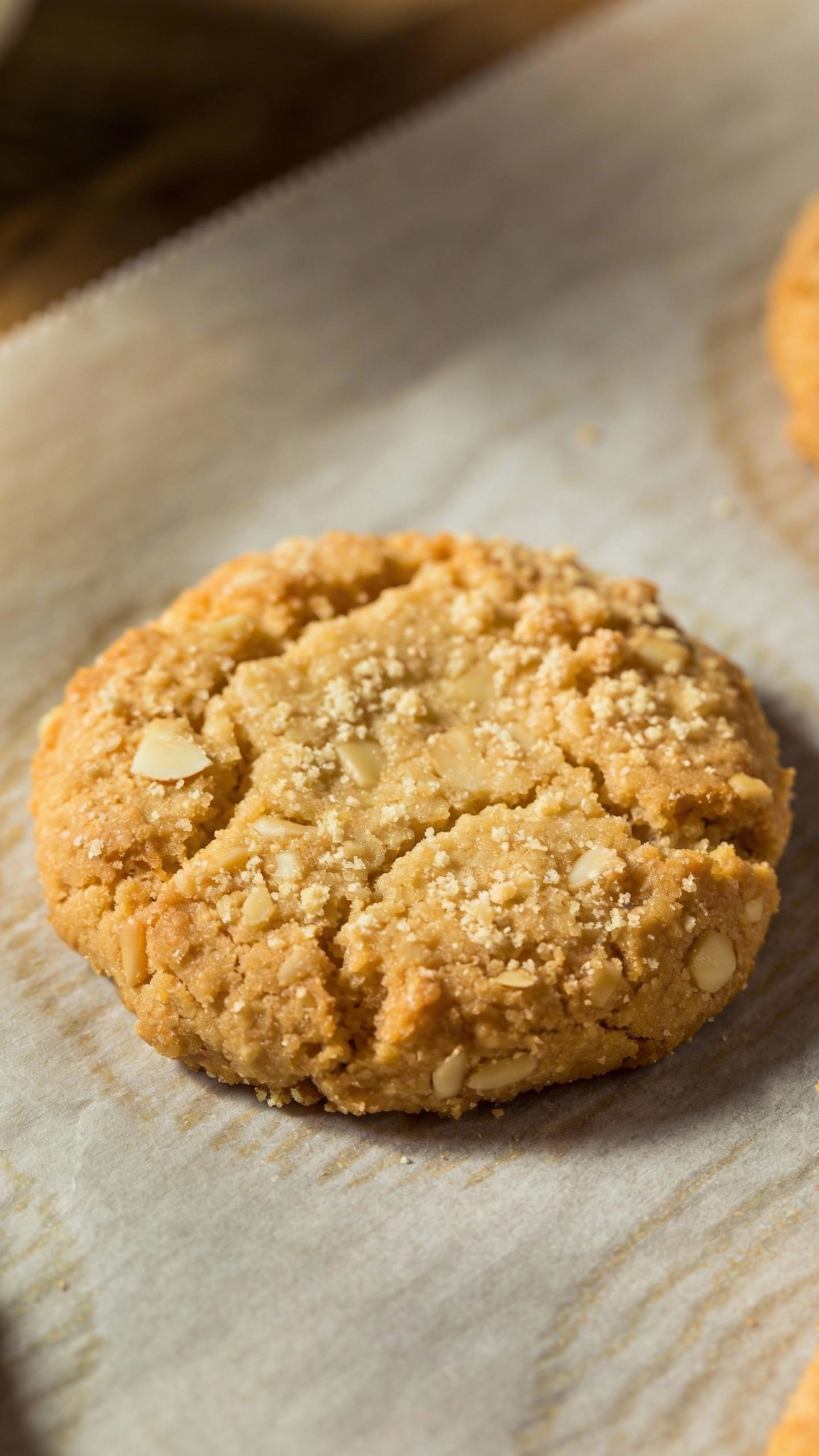
You don’t need 14 ingredients and a prayer. Just a handful of staples deliver that shortbread vibe.
- Blanched almond flour: Use finely ground, blanched almond flour. Almond meal gives a gritty texture. Hard pass.
- Unsalted butter: Softened, not melted. It binds and carries flavor. Salted butter also works—just reduce added salt.
- Sweetener: A powdered erythritol/monk fruit blend works best. Granular sweetener can make them gritty.
- Vanilla extract: For depth and warmth.
- Salt: A pinch transforms the flavor. Don’t skip it.
Optional Flavor Boosters
- Lemon zest: Fresh, bright, and elegant.
- Almond extract: A drop or two for marzipan vibes. Go light—it’s potent.
- Dark chocolate drizzle (sugar-free): Obviously a yes.
The Foolproof Method
Shortbread should feel easy. No drama, no complicated steps. You mix, chill, shape, bake, and try not to eat them while they’re molten.
- Cream the butter and sweetener: Beat 1/2 cup softened unsalted butter with 1/2 cup powdered keto sweetener until fluffy, about 1–2 minutes.
- Add flavor: Mix in 1 teaspoon vanilla and 1/4 teaspoon fine salt (reduce if using salted butter).
- Fold in almond flour: Add 1 3/4 cups blanched almond flour. Stir until a soft dough forms. If crumbly, keep mixing—almond flour hydrates slowly.
- Chill: Wrap and chill 30–45 minutes. This matters. Cold dough = clean edges and less spread.
- Shape: Roll into a 1 1/4-inch log and slice 1/3-inch rounds, or roll between parchment and cut with a cookie cutter. Dock with a fork for that classic look.
- Bake: 325°F (163°C) for 10–14 minutes until edges turn light golden. They’ll look slightly soft. That’s correct.
- Cool completely: Let them rest on the sheet 10 minutes, then transfer to a rack. Almond flour firms as it cools. Patience, grasshopper.
Texture Tips You’ll Actually Use
- Don’t overbake: Golden edges = done. Dark brown = crumbly dust.
- Measure right: Spoon almond flour into the cup and level. Packed flour = dry cookies.
- Use parchment: Prevents sticking and ensures even browning.
Make Them Your Own
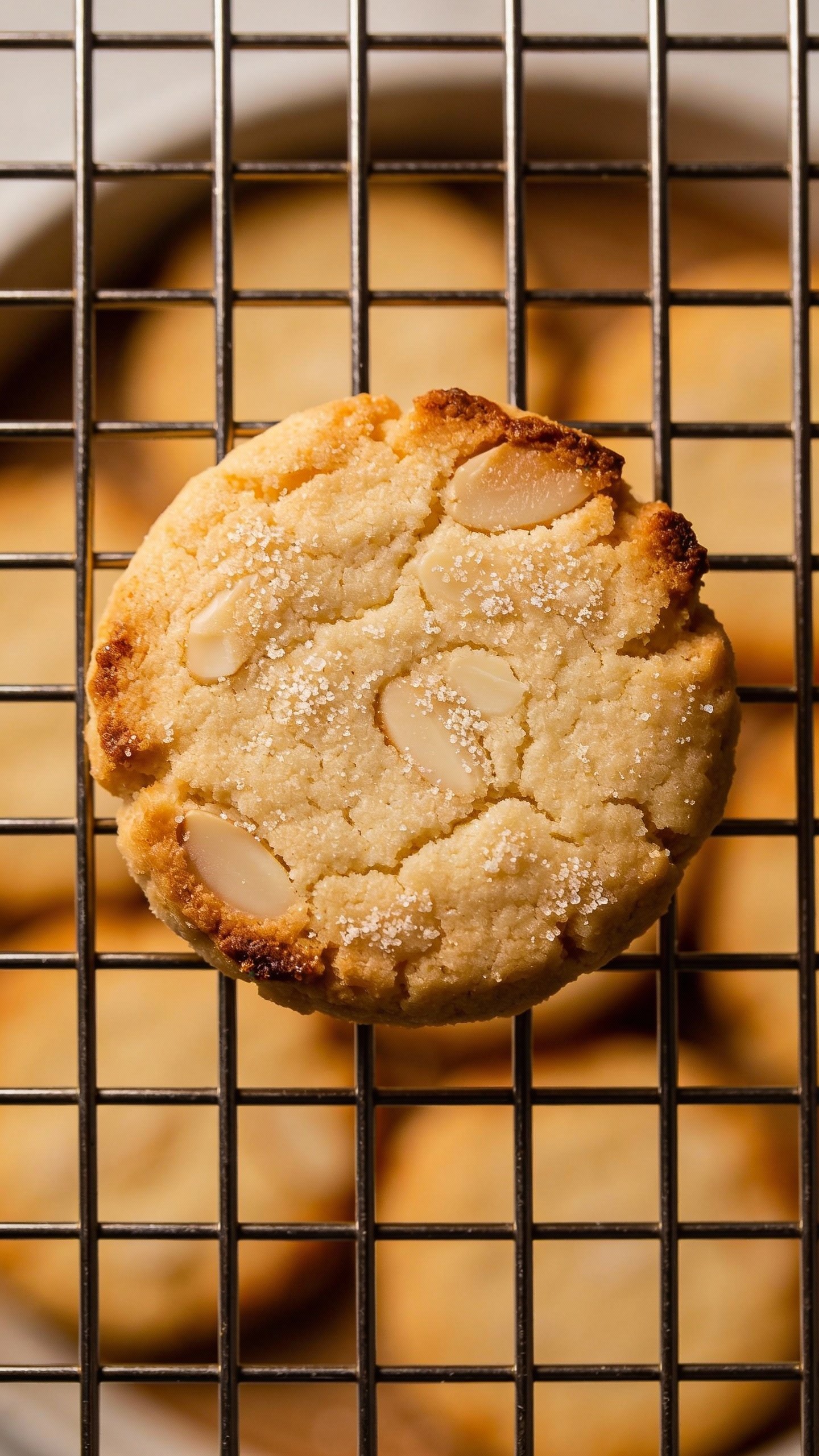
Shortbread plays nice with a lot of flavors. Keep the base formula and get creative.
Flavor Variations
- Chocolate chip: Fold in 1/3 cup sugar-free dark chocolate chips. Classic upgrade.
- Orange cardamom: Add 1 teaspoon orange zest and a pinch of ground cardamom. Fancy but easy.
- Hazelnut mocha: Swap 1/4 cup almond flour for hazelnut flour and add 1 teaspoon instant espresso.
- Raspberry thumbprints: Press a shallow well in the center and add 1/2 teaspoon sugar-free jam after baking.
- Shortbread bars: Press into an 8×8 pan, score, and bake 18–22 minutes. Cut while warm; cool completely before removing.
Macros, Sweeteners, and Keto Gotchas
Let’s talk numbers, because keto people love receipts.
- Estimated macros (per cookie, 16 cookies): 120 calories, 11g fat, 3g protein, 2g net carbs (varies by sweetener and size, FYI).
- Sweetener choice matters: Powdered erythritol/monk fruit blends give the cleanest taste and texture. Allulose browns more and makes them softer—great if you like chewy shortbread (not traditional, but IMO delicious).
- Watch hidden carbs: Sugar-free chocolate and jam still add up. Check labels.
Butter vs. Ghee vs. Coconut Oil
Never Wonder What's For Dinner Again
Save time, eat healthier, and take the stress out of dinner. Get a full week of easy healthy dinners delivered straight to your inbox.
- Butter: Best flavor and texture. The queen.
- Ghee: Sub 1:1 for a nuttier flavor and less lactose. Slightly crumblier.
- Coconut oil: Works, but feels more sandy and less buttery. Add 1–2 tablespoons coconut cream if you go this route.
Common Mistakes (And How to Fix Them)
Yes, they’re simple. No, you’re not immune to cookie chaos. Here’s your cheat sheet.
- They spread too much: Dough wasn’t chilled, or your oven ran hot. Chill longer and check oven temp with a thermometer.
- Gritty texture: You used granular sweetener. Switch to powdered or grind it first.
- Dry/crumbly dough: Add 1–2 teaspoons melted butter or a splash of almond milk. Mix again and chill.
- Bland flavor: Add a pinch more salt, a bit of vanilla or almond extract, or zest. Salt especially makes everything pop.
Serving and Storing (aka How Not to Eat Them All at Once)
Serve them with coffee, tea, or a cold glass of almond milk. For guests, drizzle with melted sugar-free dark chocolate and a sprinkle of flaky salt. Suddenly you’re fancy.
For storage, keep them in an airtight container at room temp for 3–4 days. They actually taste better on day two. Freeze for up to 2 months with parchment between layers. Thaw at room temp and re-crisp in a 300°F oven for 3–4 minutes if needed.
FAQ
Can I use coconut flour instead of almond flour?
Short answer: no. Coconut flour absorbs tons of moisture and turns these into dry bricks. If you must experiment, use a tested coconut flour shortbread recipe, not a direct swap.
What sweetener works best for that classic shortbread texture?
Powdered erythritol/monk fruit blends hit the sweet spot. They mimic the structure of sugar and keep things crisp. Allulose tastes great but makes the cookies softer and browns faster—still tasty, just different.
Do I need to chill the dough?
Yes. Chilling helps the fat solidify and prevents spreading. It also lets the almond flour hydrate, which gives you clean edges and a tender crumb. Skipping it means sad, puddle cookies. Don’t be that person.
How do I make them dairy-free?
Use refined coconut oil or vegan butter sticks that bake well. Expect a slightly different texture—still good, just not as rich as butter. Add a pinch more salt and a splash of vanilla to boost flavor.
My cookies turned out soft. Did I mess up?
Not necessarily. Almond flour cookies firm up as they cool. Let them sit on the baking sheet for 10 minutes before moving them. If they still feel too soft, bake 1–2 minutes longer next time or use less allulose.
Can I add nuts or seeds?
Absolutely. Finely chopped pecans, pistachios, or sliced almonds fold in well. Keep add-ins to about 1/3 cup so the dough doesn’t crumble apart.
Final Thoughts
Keto almond flour shortbread cookies give you the classic buttery bite without the sugar detour. They’re simple to make, easy to customize, and shockingly good with coffee. Bake a batch, stash a few in the freezer, and enjoy a treat that feels indulgent without going off the rails. IMO, once you nail these, you’ll keep them on repeat.
Loved This Recipe?
If you're looking for more simple, healthy dinners your family will actually eat, grab my FREE 7-Day Easy Dinner Reset. You'll get 7 easy dinner recipes, simple grocery lists, and a done-for-you plan that takes the stress out of mealtime.