Ginger Miso Noodle Soup – Comforting, Light, and Full of Flavor
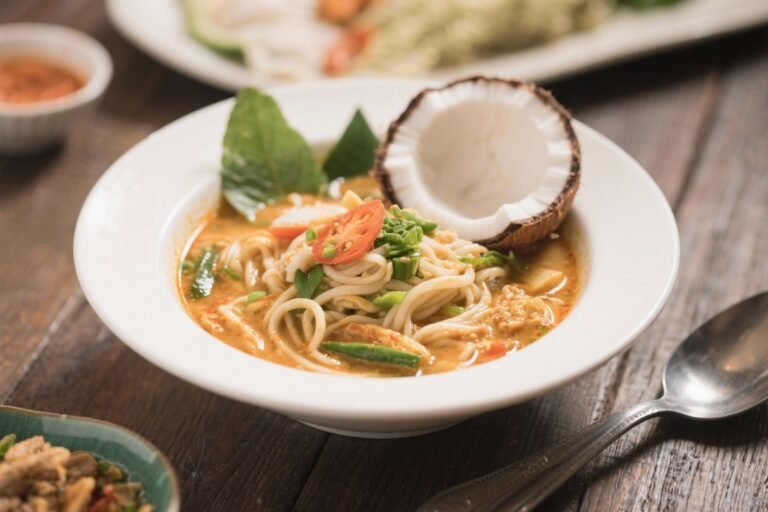
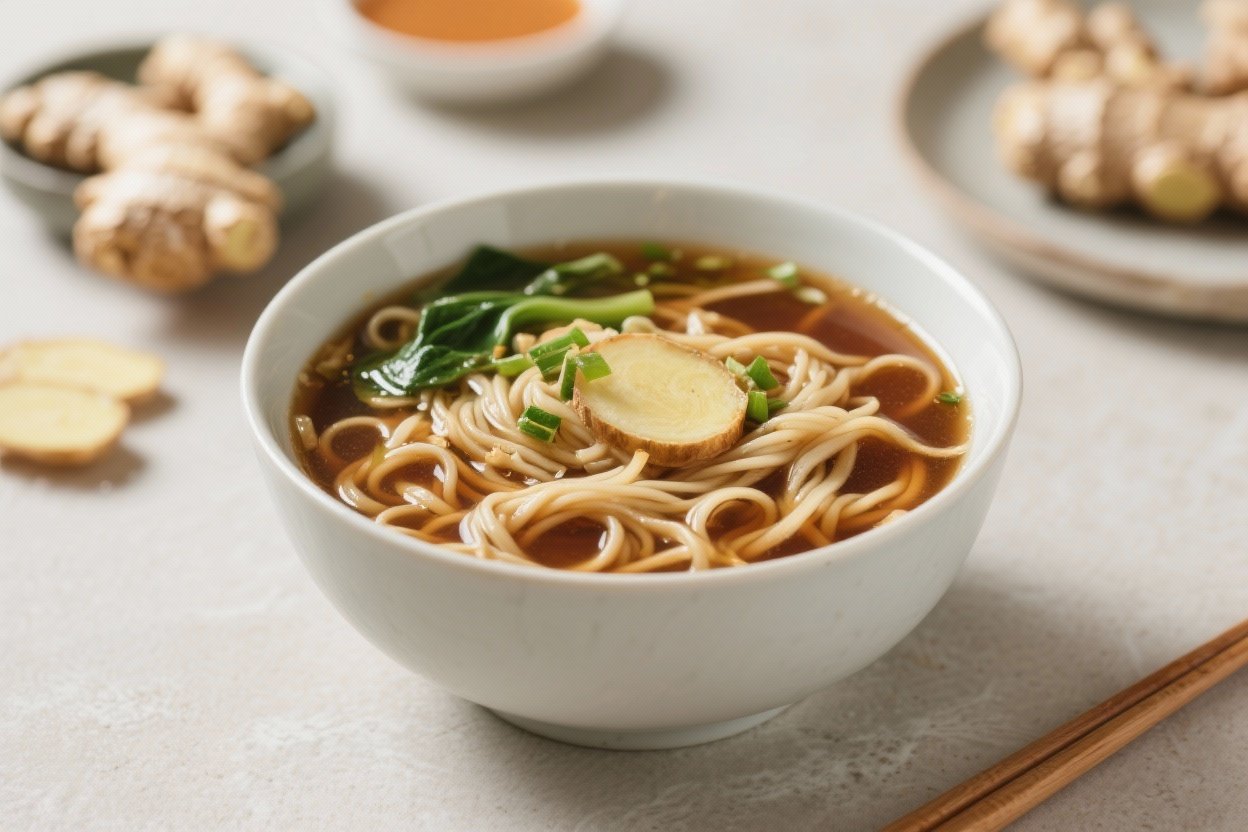
This is the kind of soup you make when you want something cozy that won’t weigh you down. Bright ginger, savory miso, and tender noodles come together in a broth that feels both soothing and energizing. It’s quick enough for weeknights, but special enough to serve to friends.
The best part: you can make it as simple or as loaded as you like with tofu, mushrooms, greens, or whatever you have on hand.
Ingredients
Method
- Sauté the aromatics: Heat the neutral oil and sesame oil in a large pot over medium heat. Add onion with a pinch of salt and cook 4–5 minutes until soft. Stir in garlic and ginger (and turmeric if using). Cook 1 minute, just until fragrant.
- Build the broth: Pour in the broth. Add soy sauce or tamari, rice vinegar, and chili crisp or flakes if using. Bring to a gentle simmer.
- Add mushrooms and tofu: Stir in mushrooms and tofu. Simmer 5–7 minutes until mushrooms are tender.
- Cook the noodles: If using udon or soba, you can cook them directly in the pot until just al dente. For rice noodles, cook separately per package to avoid cloudy broth, then rinse and hold.
- Finish with greens: Add the greens and green onions. Simmer 1–2 minutes until just wilted but still bright.
- Stir in miso off heat: Turn off the heat. Ladle a cup of hot broth into a bowl and whisk in the miso until smooth. Return that mixture to the pot and stir. Taste and adjust with more miso, soy sauce, or a touch of honey.
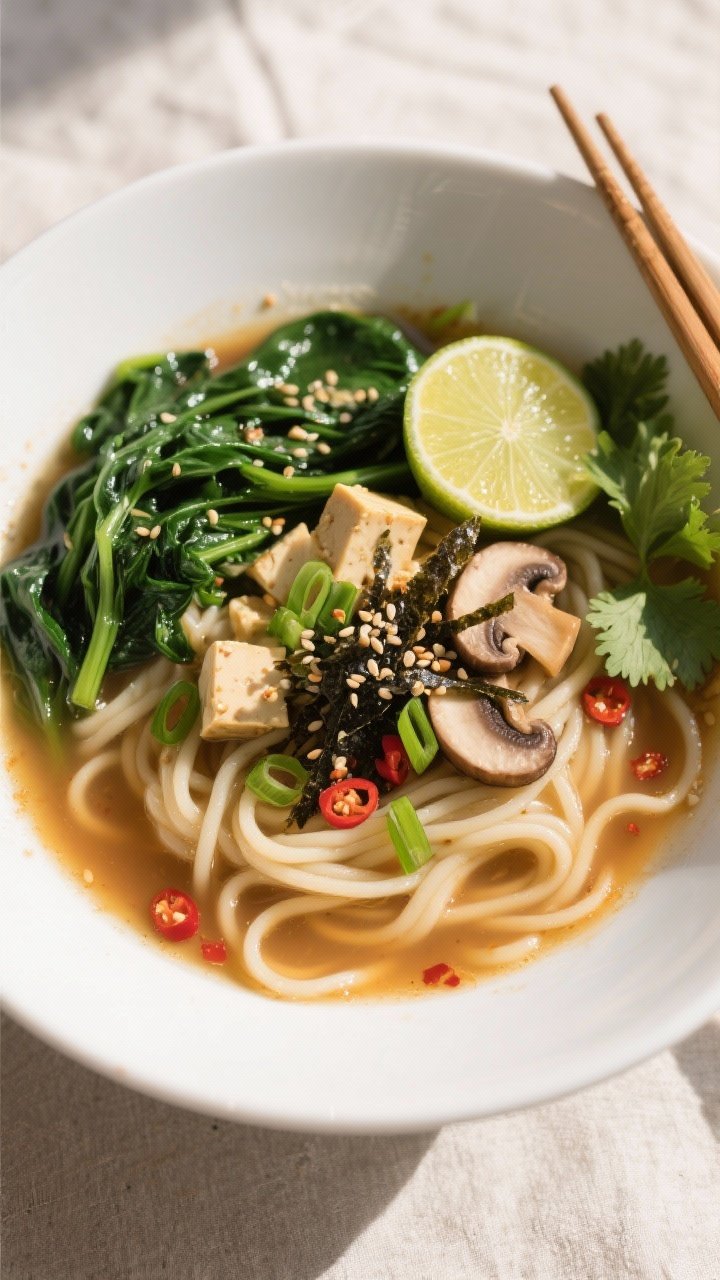
- Assemble and serve: Divide noodles among bowls if cooked separately. Ladle over the miso-ginger broth with veggies and tofu. Top with sesame seeds, nori strips, cilantro, and a squeeze of lime.
Overeating is a pattern. This helps you fix that problem. A quick reset for cravings, snacking, and “I’ll start tomorrow” moments.
Built for busy home cooks who want real-life structure. Simple steps that fit meal prep, family dinners, and late-night snack attacks.
What Makes This Recipe So Good
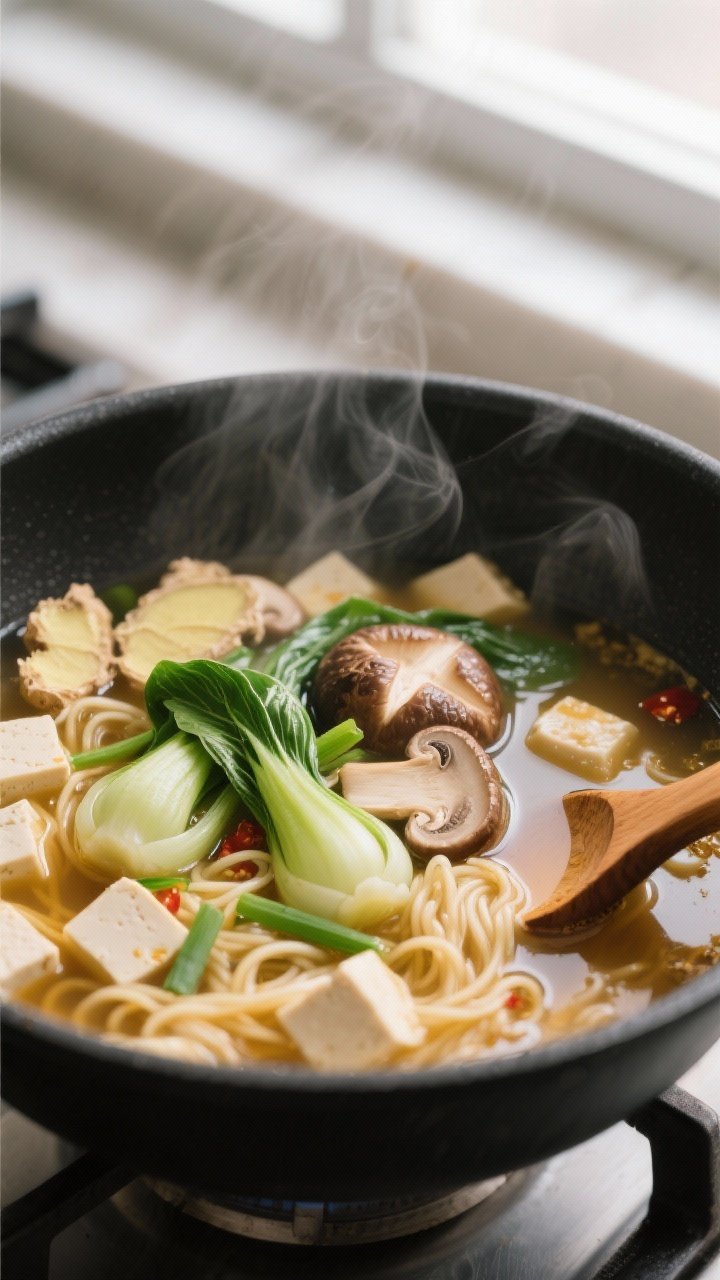
- Clean, bold flavor: Fresh ginger and garlic create a fragrant base, while miso adds deep umami without heaviness.
- Flexible and forgiving: Use rice noodles, udon, or soba. Add tofu, chicken, or just veggies. It works with what’s in your fridge.
- Fast to make: From start to steaming bowl in about 25–30 minutes.
- Light but satisfying: A nourishing broth, silky noodles, and crisp-tender greens strike the perfect balance.
- Gentle on the stomach: Ginger is calming, and miso brings probiotics when handled correctly.
Ingredients
- 2 tablespoons neutral oil (avocado, grapeseed, or light olive oil)
- 1 tablespoon toasted sesame oil
- 1 medium onion, thinly sliced
- 3 cloves garlic, minced
- 2 tablespoons fresh ginger, minced or grated (more if you like extra kick)
- 6 cups low-sodium vegetable broth (or chicken broth if not vegetarian)
- 2–3 tablespoons low-sodium soy sauce or tamari, to taste
- 1 tablespoon rice vinegar or a squeeze of fresh lime juice
- 1–2 teaspoons chili crisp or chili flakes (optional, for heat)
- 7–9 ounces noodles: udon, soba, or medium rice noodles
- 6–8 ounces firm tofu, cubed (or shredded cooked chicken, optional)
- 2 cups sliced mushrooms (shiitake, cremini, or oyster)
- 3–4 cups greens (baby spinach, bok choy, napa cabbage, or kale, chopped)
- 3–4 green onions, thinly sliced
- 3–4 tablespoons white or yellow miso paste, to taste
- 1 tablespoon grated fresh turmeric or 1/2 teaspoon ground (optional)
- 1 teaspoon honey or maple syrup (optional, balances saltiness)
- Sesame seeds, nori strips, lime wedges, and fresh cilantro for serving (optional)
Instructions
- Sauté the aromatics: Heat the neutral oil and sesame oil in a large pot over medium heat.
Add onion with a pinch of salt and cook 4–5 minutes until soft. Stir in garlic and ginger (and turmeric if using). Cook 1 minute, just until fragrant.
- Build the broth: Pour in the broth.
Add soy sauce or tamari, rice vinegar, and chili crisp or flakes if using. Bring to a gentle simmer.
- Add mushrooms and tofu: Stir in mushrooms and tofu. Simmer 5–7 minutes until mushrooms are tender.
- Cook the noodles: If using udon or soba, you can cook them directly in the pot until just al dente.
For rice noodles, cook separately per package to avoid cloudy broth, then rinse and hold.
- Finish with greens: Add the greens and green onions. Simmer 1–2 minutes until just wilted but still bright.
- Stir in miso off heat: Turn off the heat. Ladle a cup of hot broth into a bowl and whisk in the miso until smooth.
Return that mixture to the pot and stir. Taste and adjust with more miso, soy sauce, or a touch of honey.
- Assemble and serve: Divide noodles among bowls if cooked separately. Ladle over the miso-ginger broth with veggies and tofu.
Top with sesame seeds, nori strips, cilantro, and a squeeze of lime.
How to Store
- Keep noodles separate: Store broth and solids in one container and noodles in another. This prevents mushy, over-soaked noodles.
- Refrigeration: The broth keeps 3–4 days in the fridge. Noodles keep 2–3 days.
- Freezing: Freeze the broth (without miso and noodles) for up to 2 months.
Add miso and fresh-cooked noodles after reheating for best flavor and texture.
- Reheating: Warm the broth gently over medium heat until hot but not boiling, then add noodles and heat through. If the soup was frozen without miso, whisk in miso off heat just before serving.

Why This is Good for You
- Ginger supports digestion: It may help ease nausea, bloating, and general stomach discomfort.
- Miso brings umami and probiotics: When added off heat, miso can retain beneficial cultures that support gut health.
- Balanced energy: Noodles provide carbohydrates, while tofu or chicken adds protein, keeping you full without feeling heavy.
- Veggie boost: Mushrooms, greens, and aromatics deliver fiber, minerals, and antioxidants in a soothing format.
- Lower sodium option: Using low-sodium broth and adjusting soy sauce gives you control over salt levels.
What Not to Do
- Don’t boil the miso: High heat dulls flavor and can reduce probiotic benefits. Always whisk it in off heat.
- Don’t overcook the noodles: They’ll continue to soften in hot broth.
Cook to just shy of al dente.
- Don’t skip tasting: Miso and soy sauce vary in saltiness. Taste and adjust before serving.
- Don’t overcrowd the pot: Too many add-ins can make the broth muddy. Keep it balanced.
- Don’t ignore texture: Aim for contrast: tender noodles, silky tofu, and greens with a slight bite.
Recipe Variations
- Spicy miso version: Add a spoon of gochujang or a swirl of chili oil for deeper heat.
- Miso chicken noodle: Swap tofu for shredded rotisserie chicken.
Use chicken broth and finish with a splash of lemon.
- Mushroom-forward: Use a mix of shiitake, oyster, and enoki. Add a teaspoon of white pepper and a drizzle of truffle oil.
- Gluten-free: Choose tamari and rice noodles or 100% buckwheat soba. Check labels on miso and broth.
- Citrus-ginger lift: Finish with yuzu juice or extra lime, plus zest for brightness.
- Seafood twist: Add shrimp in the last 2–3 minutes of simmering.
A few drops of fish sauce bring depth.
- Extra-veg: Add sliced carrots, snow peas, or baby corn. Keep cook times short to preserve crunch.
FAQ
What kind of miso should I use?
White (shiro) miso is light and slightly sweet, which works well here. Yellow miso is stronger but still balanced.
Red miso is more robust; use less and taste as you go.
Can I make this ahead?
Yes. Prepare the broth and veggies ahead, but store the noodles separately. Reheat the broth gently and add noodles just before serving.
Whisk in miso off heat if you made and froze the base without it.
How do I keep the broth clear?
Cook rice noodles separately and rinse them. Skim any foam while simmering. Avoid vigorous boiling, which can turn the broth cloudy.
Is this soup vegetarian or vegan?
It can be.
Use vegetable broth and tofu, and choose miso and noodles that are vegan-friendly. Skip fish sauce and any animal-based add-ins.
What if I don’t have fresh ginger?
Use 1/2 to 3/4 teaspoon ground ginger and adjust to taste. Fresh ginger gives better aroma and bite, but ground works in a pinch.
How do I avoid overly salty soup?
Start with low-sodium broth and add soy sauce gradually.
Balance with a squeeze of citrus or a small amount of honey if needed. You can also thin with a splash of water.
Can I use leftover cooked noodles?
Yes. Rinse them briefly in warm water to loosen, then add to hot broth just before serving to avoid mushiness.
What noodles work best?
Udon gives a chewy, hearty bite.
Soba adds earthiness. Rice noodles are light and naturally gluten-free. Pick the texture you like most.
In Conclusion
Ginger Miso Noodle Soup is simple, comforting, and adaptable.
It’s a warm bowl of flavor you can tailor to your mood, whether that means extra heat, extra greens, or a protein boost. Keep the miso for the end, cook the noodles just right, and taste as you go. With those small moves, you’ll have a fresh, vibrant soup that feels good any night of the week.
Printable Recipe Card
Want just the essential recipe details without scrolling through the article? Get our printable recipe card with just the ingredients and instructions.