Keto Lemon Coconut Cheesecake – Bright, Creamy, and Low-Carb
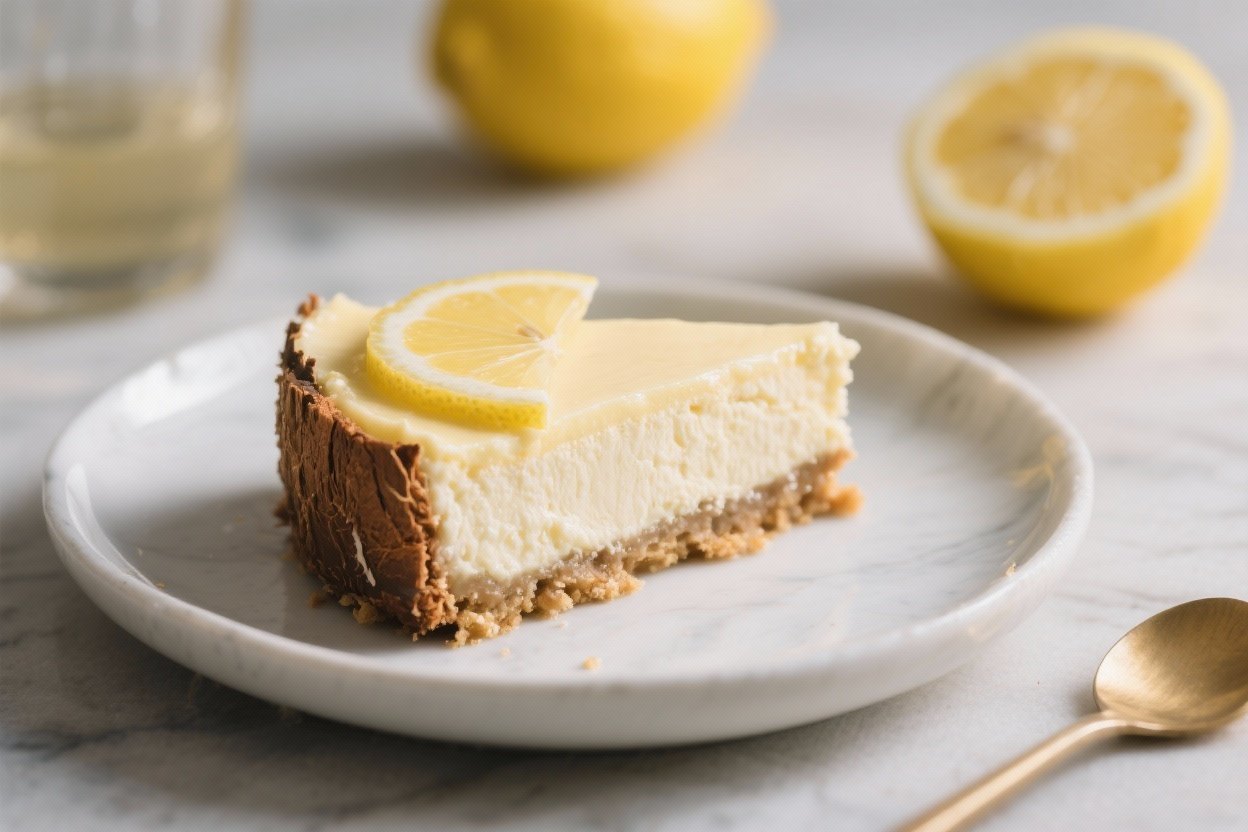
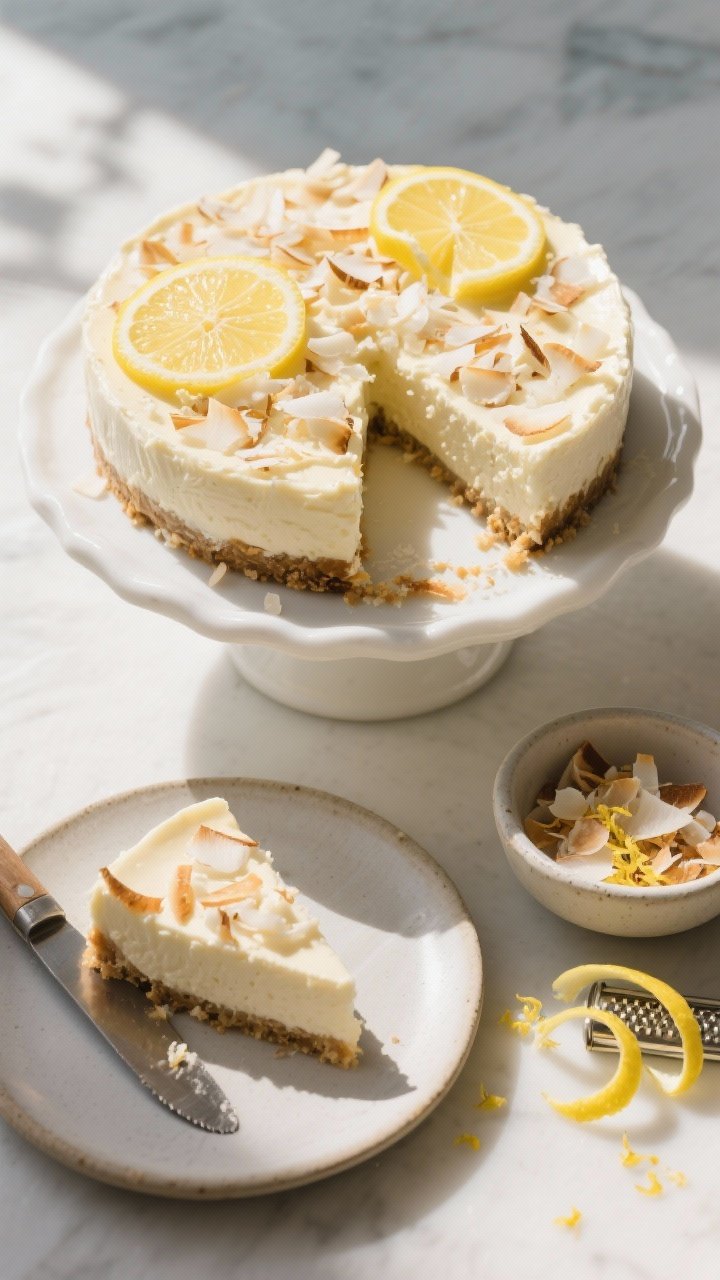
This cheesecake brings sunny lemon flavor together with creamy coconut for a dessert that feels indulgent without the sugar crash. It’s smooth, tangy, and lightly sweet, with a toasty coconut-almond crust that stays crisp. If you’ve been missing cheesecake on a low-carb lifestyle, this one hits the spot.
It’s simple to make, easy to chill overnight, and perfect for sharing. Every bite tastes like a trip to a brighter day.
Ingredients
Method
- Prep the pan. Heat oven to 325°F (163°C). Wrap the outside of your springform pan with 2–3 layers of foil to keep water out during the bath. Lightly grease the inside.
- Make the crust. In a bowl, mix almond flour, shredded coconut, powdered sweetener, salt, melted butter, and vanilla until it resembles damp sand. Press firmly into the bottom of the pan. Bake 10–12 minutes until lightly golden. Cool while you make the filling.
- Soften and beat the cream cheese. In a large bowl, beat softened cream cheese on medium speed until completely smooth and fluffy, about 2 minutes. Scrape the bowl well.
- Sweeten and flavor. Add powdered sweetener and a pinch of salt. Beat until smooth. Mix in lemon zest, lemon juice, and vanilla. Blend just to combine.
- Add coconut cream. Whisk the coconut cream to smooth it out, then beat into the filling on low until incorporated.
- Add eggs gently. Add eggs one at a time on low speed, mixing just until combined after each. Avoid overbeating to prevent cracks.
- Fill and set up the bath. Pour the filling over the cooled crust. Tap the pan gently to release air bubbles. Place the pan inside a large roasting pan. Pour hot water into the roasting pan until it reaches halfway up the sides of the springform.
- Bake low and slow. Bake 55–70 minutes, until edges are set and the center wobbles like gelatin. Do not overbake. The top should look matte, not wet.
- Cool gradually. Turn off the oven, crack the door, and let the cheesecake sit for 45–60 minutes. Remove from the water bath, unwrap the foil, and cool to room temperature.
- Chill overnight. Cover and refrigerate at least 6 hours, ideally overnight, to set the texture and flavor.
- Finish and serve. Run a thin knife around the edge, then release the springform. Top with toasted coconut flakes and lemon zest. Slice with a hot, clean knife for neat pieces.
Overeating is a pattern. This helps you fix that problem. A quick reset for cravings, snacking, and “I’ll start tomorrow” moments.
Built for busy home cooks who want real-life structure. Simple steps that fit meal prep, family dinners, and late-night snack attacks.
Why This Recipe Works
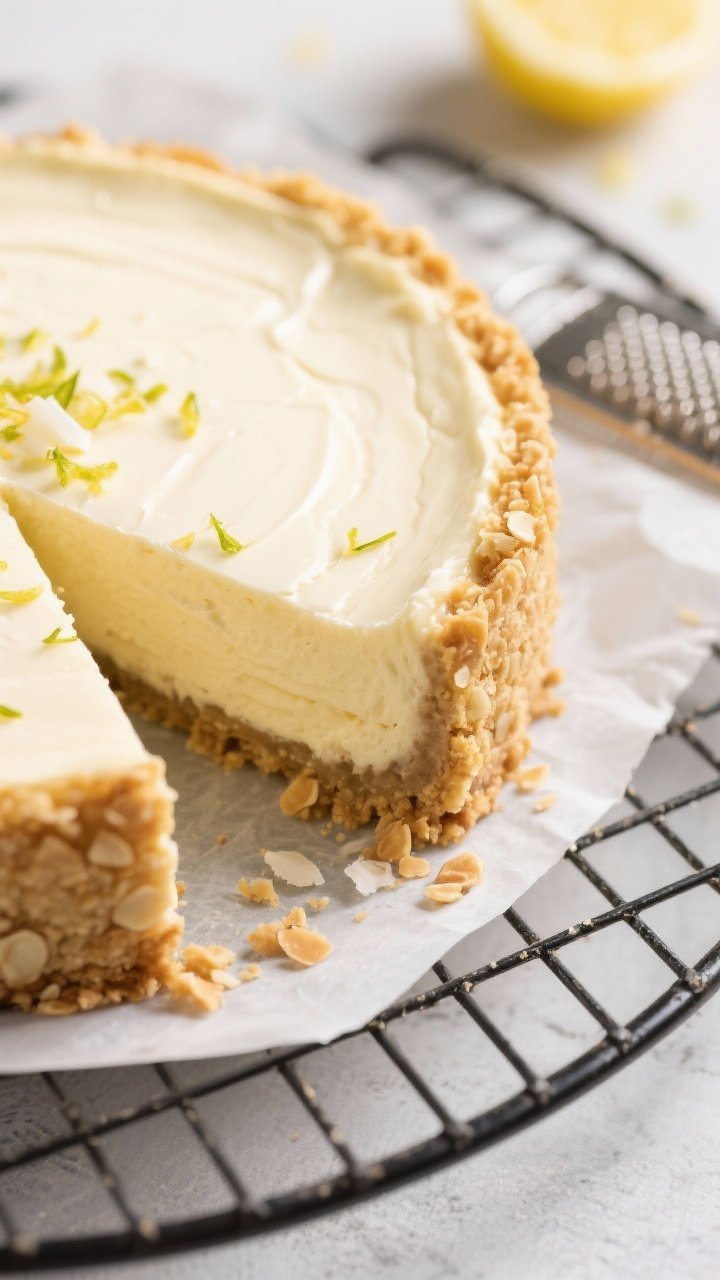
This cheesecake leans on full-fat cream cheese and coconut cream to keep the texture lush without needing flour or starch. Lemon zest and juice add fresh, bright flavor, which balances the richness.
A nut-and-coconut crust brings crunch and gentle sweetness, so each slice feels complete. Using powdered erythritol or a similar keto-friendly sweetener keeps it smooth and avoids graininess. Baking low and slow with a water bath reduces cracks and ensures a creamy center.
What You’ll Need
- For the crust:
- 1 1/2 cups fine almond flour
- 1/2 cup unsweetened shredded coconut
- 1/4 cup powdered erythritol (or preferred keto sweetener)
- 1/4 cup melted unsalted butter
- 1/2 teaspoon vanilla extract
- Pinch of salt
- For the filling:
- 24 ounces (3 bricks) full-fat cream cheese, softened
- 1 cup powdered erythritol (or keto sweetener, to taste)
- 3 large eggs, room temperature
- 1/2 cup coconut cream (thick part from a chilled can of coconut milk)
- 2 teaspoons lemon zest (from 2 lemons)
- 1/4 cup fresh lemon juice
- 1 teaspoon vanilla extract
- Pinch of salt
- For optional topping:
- 1/2 cup unsweetened toasted coconut flakes
- Thin lemon slices or extra zest
- Equipment:
- 9-inch springform pan
- Heavy-duty aluminum foil
- Roasting pan for water bath
- Electric mixer
- Microplane/zester
Instructions
- Prep the pan. Heat oven to 325°F (163°C).
Wrap the outside of your springform pan with 2–3 layers of foil to keep water out during the bath. Lightly grease the inside.
- Make the crust. In a bowl, mix almond flour, shredded coconut, powdered sweetener, salt, melted butter, and vanilla until it resembles damp sand. Press firmly into the bottom of the pan.
Bake 10–12 minutes until lightly golden. Cool while you make the filling.
- Soften and beat the cream cheese. In a large bowl, beat softened cream cheese on medium speed until completely smooth and fluffy, about 2 minutes. Scrape the bowl well.
- Sweeten and flavor. Add powdered sweetener and a pinch of salt.
Beat until smooth. Mix in lemon zest, lemon juice, and vanilla. Blend just to combine.
- Add coconut cream. Whisk the coconut cream to smooth it out, then beat into the filling on low until incorporated.
- Add eggs gently. Add eggs one at a time on low speed, mixing just until combined after each.
Avoid overbeating to prevent cracks.
- Fill and set up the bath. Pour the filling over the cooled crust. Tap the pan gently to release air bubbles. Place the pan inside a large roasting pan.
Pour hot water into the roasting pan until it reaches halfway up the sides of the springform.
- Bake low and slow. Bake 55–70 minutes, until edges are set and the center wobbles like gelatin. Do not overbake. The top should look matte, not wet.
- Cool gradually. Turn off the oven, crack the door, and let the cheesecake sit for 45–60 minutes.
Remove from the water bath, unwrap the foil, and cool to room temperature.
- Chill overnight. Cover and refrigerate at least 6 hours, ideally overnight, to set the texture and flavor.
- Finish and serve. Run a thin knife around the edge, then release the springform. Top with toasted coconut flakes and lemon zest. Slice with a hot, clean knife for neat pieces.
Keeping It Fresh
Store the cheesecake covered in the fridge for up to 5 days.
Keep toppings separate if you plan to serve it over a few days, so the coconut stays crisp. For longer storage, freeze individual slices on a sheet pan until firm, then wrap tightly and freeze for up to 2 months. Thaw overnight in the fridge for best texture.
Avoid thawing on the counter, which can cause condensation and a soggy crust.
Health Benefits
- Low in carbs: Using almond flour and keto sweeteners keeps net carbs lower than traditional cheesecake.
- High in satisfying fats: Cream cheese and coconut cream support satiety, which can help with appetite control on a keto plan.
- No refined sugar: Sweetness comes from sugar alternatives, reducing blood sugar spikes.
- Lemon adds brightness: Fresh lemon offers vitamin C and a lively flavor that helps curb cravings for heavier sweets.
Common Mistakes to Avoid
- Overmixing the batter: Too much air leads to cracks and a spongy texture. Mix on low and stop when combined.
- Skipping room-temperature ingredients: Cold cream cheese or eggs cause lumps. Let everything warm up before mixing.
- Baking too hot: High heat can split the top and overcook the edges.
Stick to 325°F and use the water bath.
- Not cooling slowly: Sudden temperature changes cause cracking. Allow a gradual cool in the oven, then chill fully.
- Using granulated sweetener: It can stay gritty. Choose powdered sweetener for a silky finish.
Recipe Variations
- Lemon-lime twist: Split the citrus juice between lemon and lime, and add a pinch of lime zest.
- Coconut-lovers’ crust: Swap half the almond flour for finely ground unsweetened coconut for extra texture.
- Mini cheesecakes: Bake in a lined muffin tin (with paper liners) for 18–22 minutes.
Great for portion control and freezing.
- Dairy-free option: Use dairy-free cream cheese and more coconut cream. Texture will be slightly softer, but still rich.
- Blueberry ripple: Swirl in a few tablespoons of mashed fresh blueberries mixed with a little powdered sweetener. Keep it light to maintain low carbs.
FAQ
Can I make this without a water bath?
Yes, but expect more cracks and a drier edge.
If you skip the bath, place a pan of hot water on the lower rack to add humidity and bake on the middle rack. Let it cool slowly to minimize cracking.
Which keto sweetener works best?
Powdered erythritol or a blend with monk fruit gives a clean taste and smooth texture. Allulose is also great and browns more, but it can make the crust softer.
Adjust to taste, since sweetness varies by brand.
How do I know when the cheesecake is done?
The edges should look set, and the center should jiggle slightly when you nudge the pan. If it sloshes, it needs more time. If it’s fully firm, it’s overbaked.
Can I use bottled lemon juice?
Fresh lemon juice and zest make a big difference in flavor.
Bottled juice can taste flat. If you must use it, add extra zest to boost brightness.
What if my cheesecake cracks?
It happens. Cover the top with toasted coconut and zest to disguise the crack, and the texture will still be lovely.
Next time, mix less and cool more gradually.
In Conclusion
This Keto Lemon Coconut Cheesecake delivers bright citrus, creamy coconut, and a crisp nutty crust without straying from your low-carb goals. It’s simple to prepare, sets up beautifully overnight, and slices clean for a dessert that feels special. Keep the steps gentle and the temperature steady, and you’ll have a reliable, crowd-pleasing treat ready for any occasion.
Printable Recipe Card
Want just the essential recipe details without scrolling through the article? Get our printable recipe card with just the ingredients and instructions.