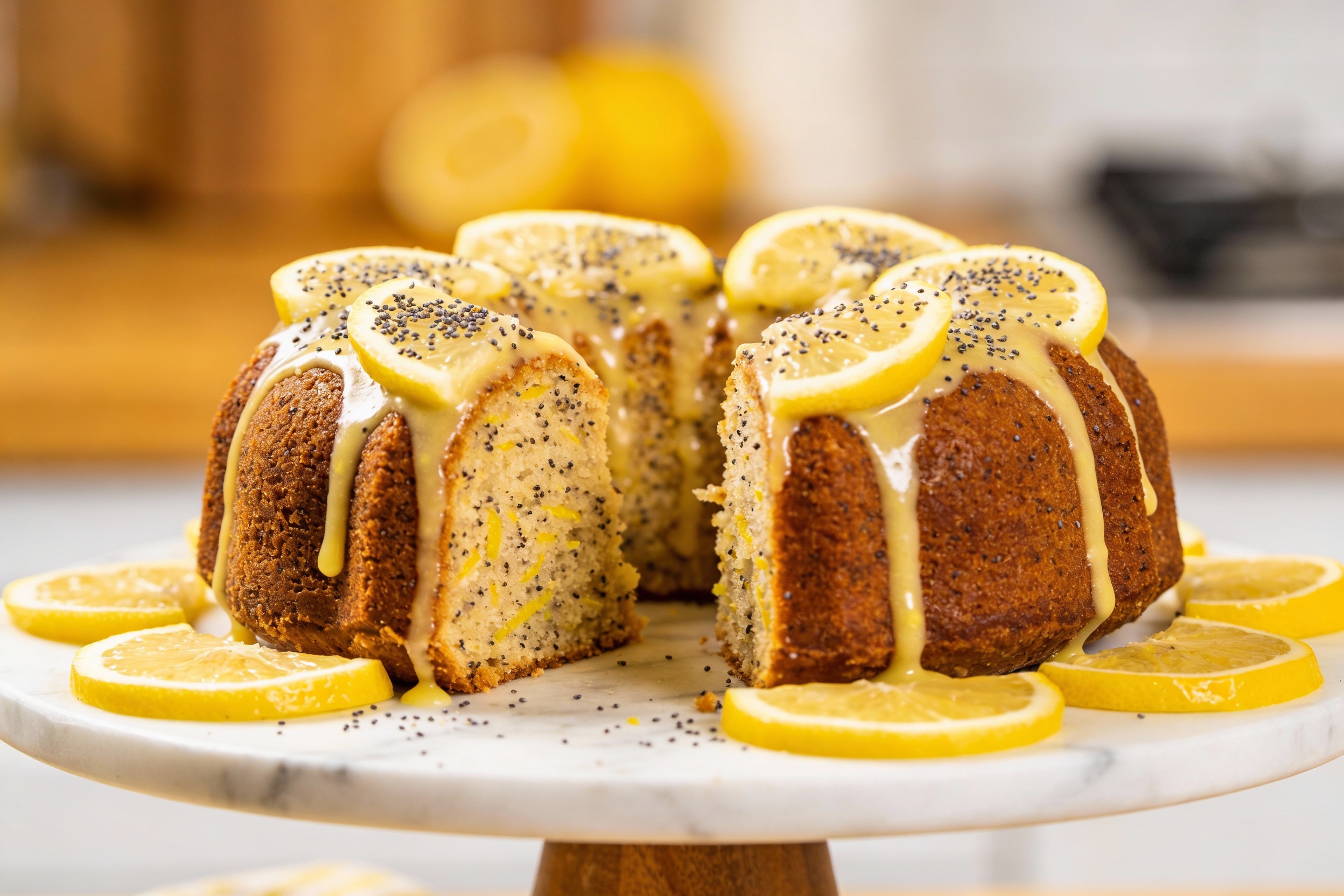
Keto Lemon Poppy Seed Cake
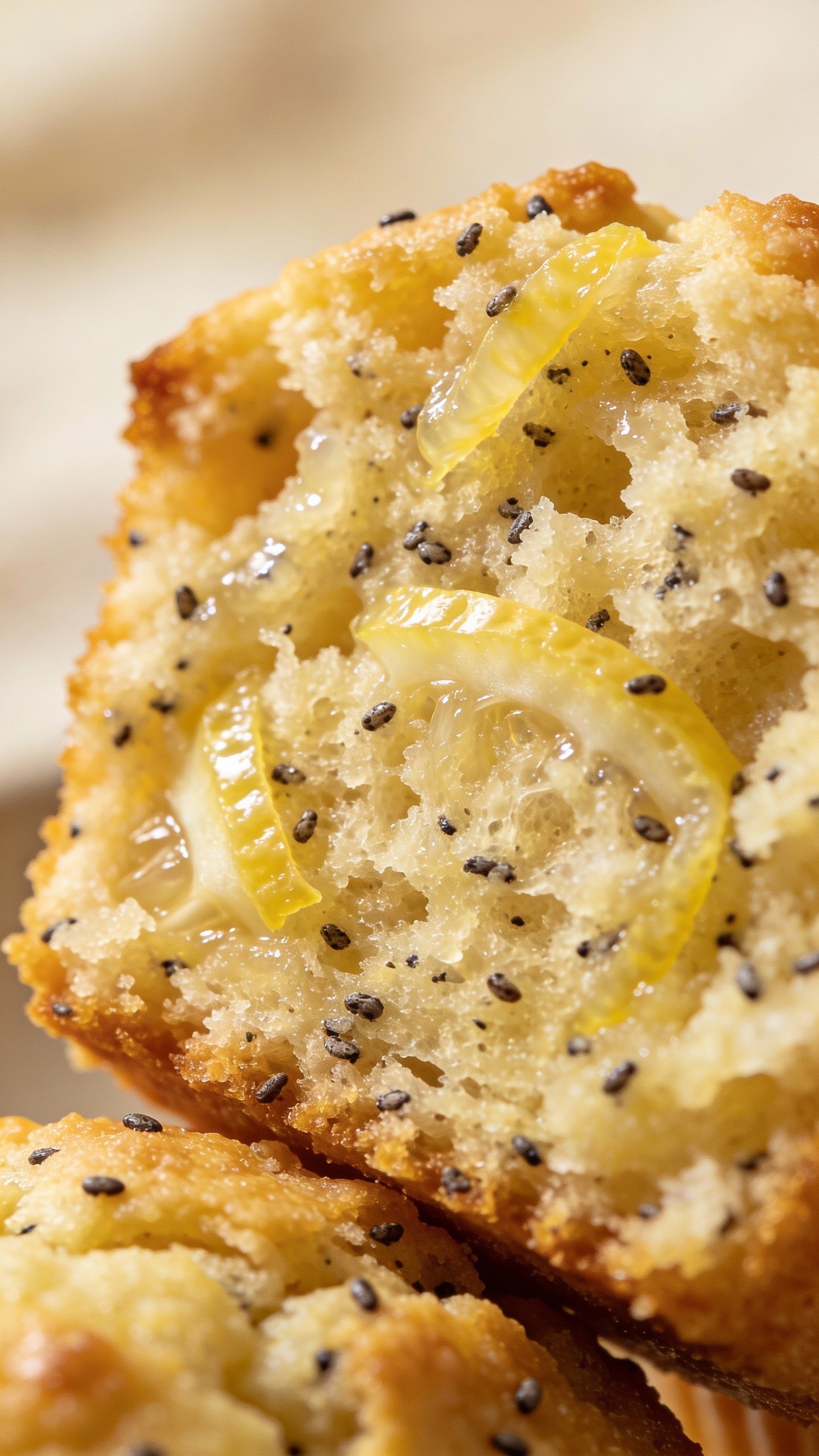
Lemon poppy seed cake that fits your keto goals and still tastes like a bakery treat? Yes, it exists, and it’s not a brick. We’re talking bright citrus, a tender crumb, and that signature poppy crunch—without the carb coma. If you’ve been burned by dry almond-flour cakes before, stick around. We’ll fix that, slice by slice.
Why Keto Lemon Poppy Seed Cake Works (And Doesn’t Taste “Diet”)
Lemon does the heavy lifting here. It wakes up almond flour and masks any lingering “alternative flour” vibes. Poppy seeds add little bursts of texture so you never feel like you’re eating a dense loaf.
The real magic? Fat and acidity. Lemon juice and sour cream (or Greek yogurt) bring moisture, while butter or avocado oil adds richness. Together they create that soft crumb you actually want with keto bakes.
Overeating is a pattern. This helps you fix that problem. A quick reset for cravings, snacking, and “I’ll start tomorrow” moments.
Built for busy home cooks who want real-life structure. Simple steps that fit meal prep, family dinners, and late-night snack attacks.
The Ingredients You Actually Need
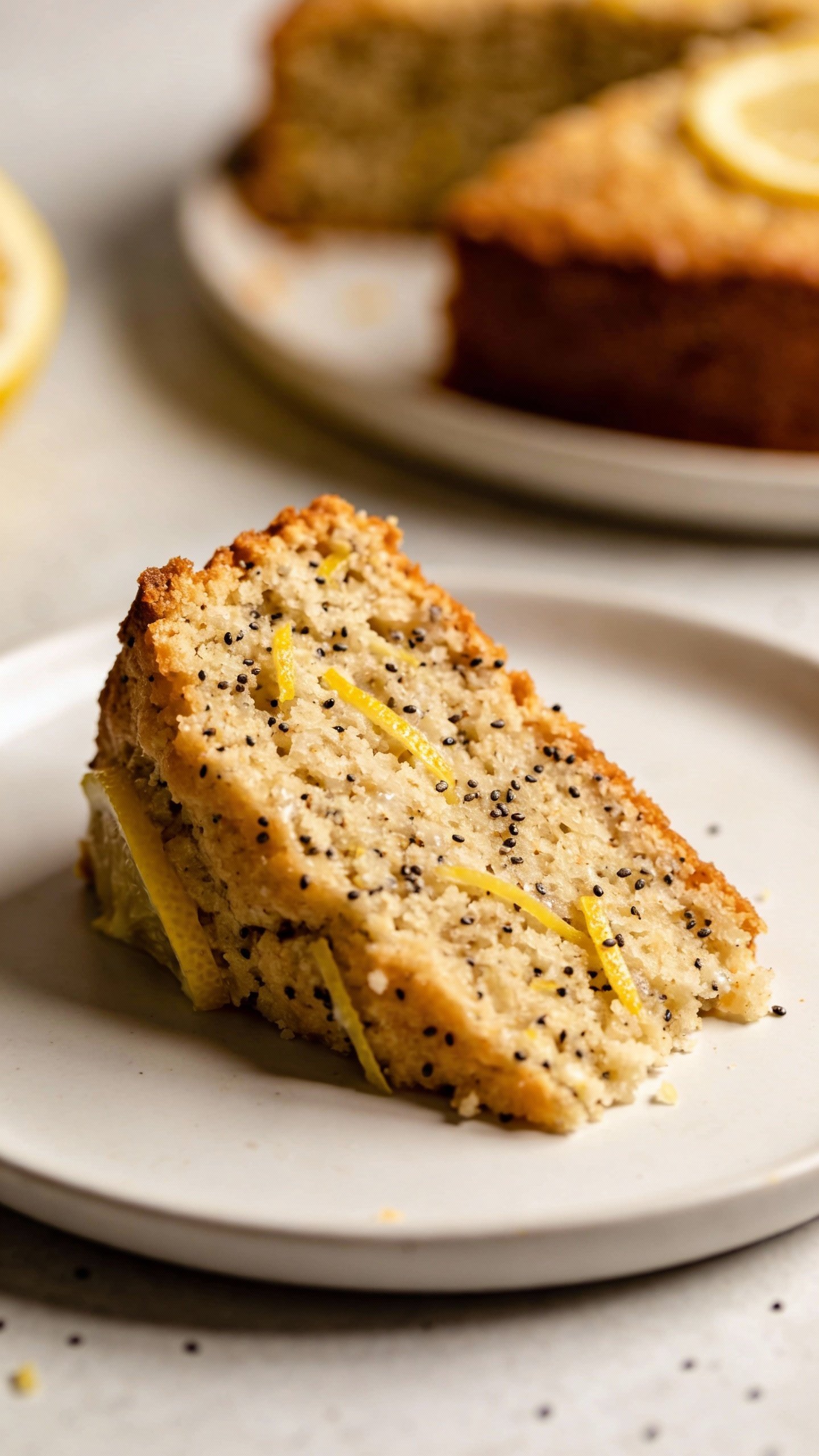
Let’s keep it simple and strategic. You’ll use a few keto pantry staples and a couple of non-negotiables for texture.
- Almond flour (super-fine): The backbone. Super-fine gives you that tender crumb.
- Coconut flour: Just a tablespoon or two to absorb moisture and add structure.
- Sweetener: Erythritol/monk fruit blend works great. Allulose gives softer edges and browns more.
- Eggs: Bind everything and add lift.
- Sour cream or full-fat Greek yogurt: Moisture + tang. Don’t skip.
- Butter (melted) or avocado oil: Richness and that “cake” feel.
- Fresh lemon juice and zest: Zest is where the flavor lives. Use at least 1–2 lemons.
- Poppy seeds: Obviously. Toast lightly if you want deeper flavor.
- Baking powder + a pinch of baking soda: Lift and browning.
- Salt + vanilla: Rounds everything out.
Pro tip: Sweetener choice matters
– Allulose: Ultra-moist crumb, browns faster, slightly less sweet. Add 10–15% more than erythritol if swapping.
– Erythritol blends: Crisper structure, can feel cool on the tongue.
– Stevia alone: Don’t. It needs a bulking agent. IMO, go with a blend.
Step-by-Step: Your Foolproof Game Plan
You don’t need a stand mixer. A bowl, whisk, and a loaf pan or 8-inch round will do.
- Prep: Heat oven to 325°F (163°C). Line your pan with parchment and grease it. No sticking allowed.
- Mix dry: Whisk almond flour, coconut flour, sweetener, baking powder, baking soda, and salt. Break up clumps.
- Mix wet: In another bowl, whisk eggs, melted butter/oil, sour cream/yogurt, vanilla, lemon zest, and lemon juice.
- Combine: Stir wet into dry until just combined. Fold in poppy seeds. Batter should be thick, not stiff.
- Bake: Pour into pan and smooth. Bake 35–45 minutes (loaf may take 45–55). It’s done when the center springs back and a tester comes out mostly clean.
- Cool: Let it rest 10 minutes in the pan, then cool completely on a rack. Yes, completely. Almond flour needs that time to set.
Optional lemon glaze (highly recommended)
Whisk powdered keto sweetener with lemon juice and a splash of heavy cream. Drizzle over a cooled cake. Add lemon zest on top for that extra zing. FYI, allulose glaze stays soft; erythritol glaze sets firmer.
Texture Secrets: How to Avoid the Dreaded Dry Crumb
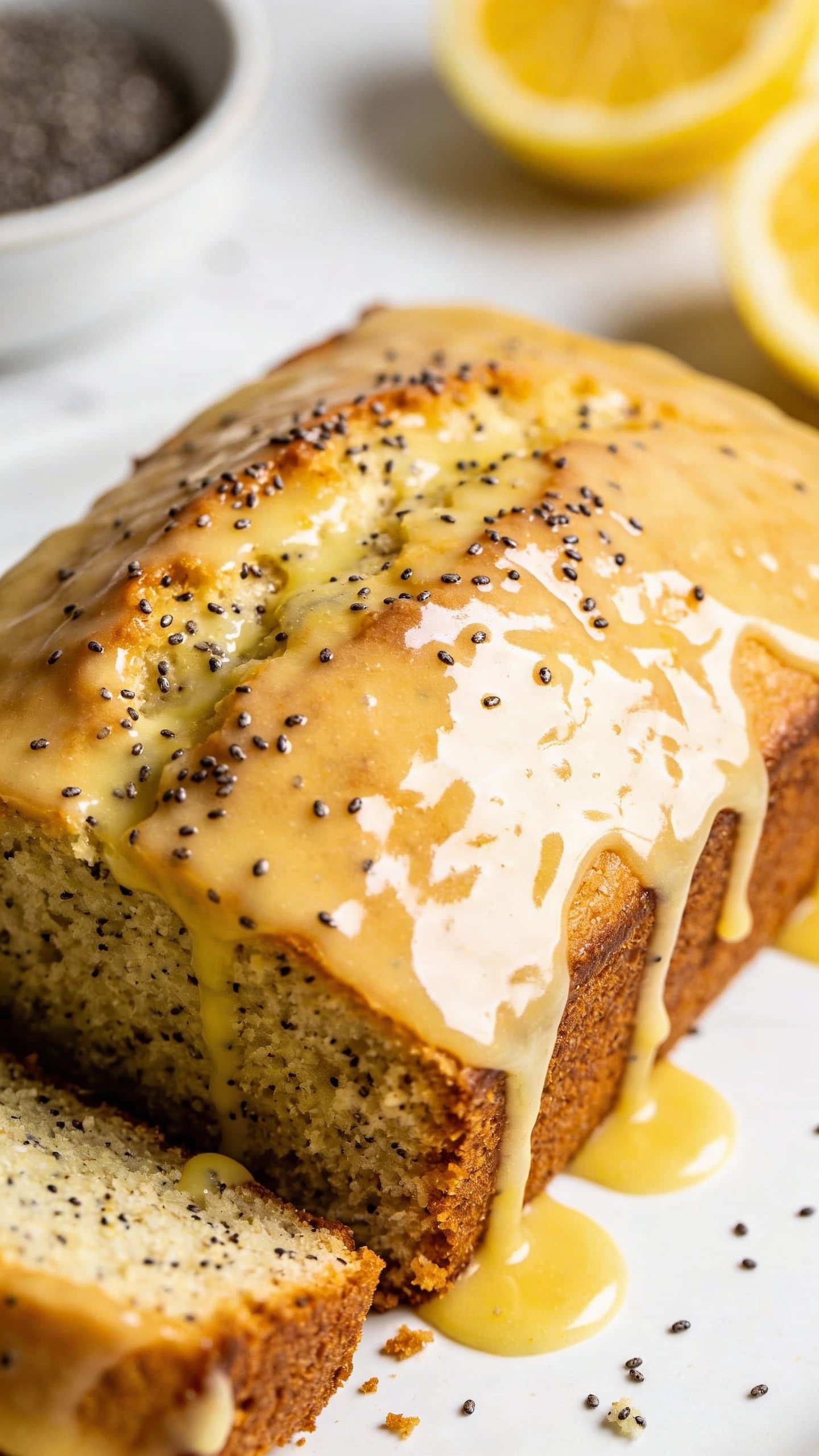
Keto cakes dry out fast if you treat them like wheat cakes. Don’t.
- Use enough fat: Butter + sour cream keep it plush. Skimping equals regret.
- Don’t overbake: Pull it when it’s barely done. Carryover heat finishes the job.
- Balance flours: A tiny bit of coconut flour helps structure, but too much = sawdust.
- Let it rest: Cooling sets the crumb so slices don’t crumble.
A word on lemon flavor
– Zest the lemons before juicing.
– Double the zest if you love bold citrus (IMO, do it).
– Add 1/4 tsp lemon extract if your lemons taste meh.
Macros and Sweetener Swaps (Because We’re Counting)
Every recipe varies, but here’s a realistic snapshot for a 10-slice loaf using almond flour, sour cream, and an erythritol/monk fruit blend:
- Calories: ~230–260 per slice
- Fat: ~20–22g
- Protein: ~6–7g
- Total carbs: ~9–10g
- Fiber: ~3–4g
- Net carbs: ~5–6g
Swap in allulose and your texture softens; adjust sweetness accordingly. If you use a powdered blend, the glaze adds ~0.5–1g net carbs per slice. Manageable, and worth it.
Make It Yours: Variations That Still Stay Keto
You can tweak this cake without breaking ketosis. Here are fun spins that actually work.
- Blueberry twist: Fold in 1/2 cup fresh blueberries (pat dry first). Count a couple extra net carbs.
- Lemon-lavender: Add 1/2 tsp culinary lavender. It’s floral and fancy without trying too hard.
- Mini loaves or muffins: Bake 18–22 minutes for muffins. Great for portion control, or so we tell ourselves.
- Olive oil version: Sub good extra-virgin olive oil for butter. Fruity, plush, very café-core.
- Protein bump: Swap 2–3 tbsp almond flour with unflavored whey isolate. Slightly springier crumb.
Dairy-free path
Use coconut cream instead of sour cream and avocado oil instead of butter. Add 1 tsp lemon extract to boost flavor. Texture stays tender, and you keep the zing.
Serving, Storing, and Meal-Prep Wins
You can serve this warmish or fully cooled. I like it chilled with glaze because the lemon pops more, but you do you.
- Serve: Pair with berries and whipped cream, or go minimalist with that tart glaze.
- Store: Airtight at room temp for 1 day, fridge for 5 days.
- Freeze: Slice first, then freeze with parchment between slices. Thaw on the counter 20–30 minutes.
- Reheat: Brief microwave (10–15 seconds) softens it up, especially if you used allulose.
FAQ
Can I use only coconut flour instead of almond flour?
Short answer: no. Coconut flour absorbs a ton of moisture and needs way more eggs, which changes everything. If you must go nut-free, find a coconut-flour-specific recipe. Otherwise you’ll get a dry sponge and a life lesson.
My cake collapsed in the middle. What happened?
Usually one of three things: too much leavening, underbaking, or slicing while warm. Measure baking powder carefully, bake until the center springs back, and let it cool completely. Also, don’t overmix—air bubbles plus almond flour can create sinkholes.
Which sweetener tastes most like sugar?
A monk fruit/erythritol blend comes close for flavor and structure. Allulose wins for mouthfeel (super tender) but tastes slightly less sweet. If you’re sensitive to erythritol’s cooling effect, try 50/50 allulose and erythritol, or use a powdered blend in the glaze only.
Do I need xanthan gum?
Not for this cake. The eggs and a smidge of coconut flour provide structure. Gum can make the texture gummy if you’re not careful. Save it for cookies or bread substitutes.
How do I boost lemon flavor without extra carbs?
Use more zest, add lemon extract, or bloom zest with sweetener first to release oils. You’ll get serious lemon vibes without adding juice or sugar.
Can I turn this into a layer cake?
Yes. Divide batter into two 6- or 7-inch pans and bake 20–28 minutes. Chill layers, then stack with a keto cream cheese frosting and a whisper of lemon zest. It’s brunch-showoff material.
Conclusion
Keto lemon poppy seed cake doesn’t need to be a compromise. With bright zest, the right sweetener, and enough fat to keep things plush, you get a slice that tastes like dessert—not a “good for keto” apology. Bake it once, tweak it to your vibe, and enjoy the lemony payoff, FYI: leftovers make a killer breakfast with coffee. IMO, that’s the ultimate win.