Keto Salted Caramel Bars – Sweet, Buttery, and Low-Carb
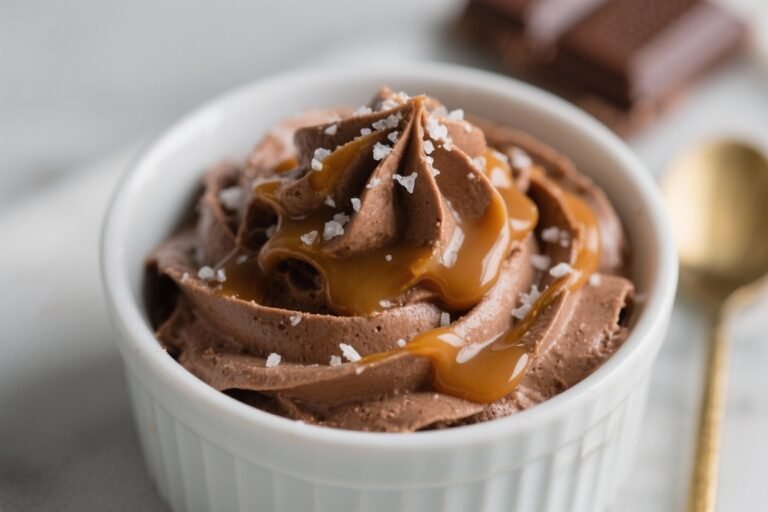
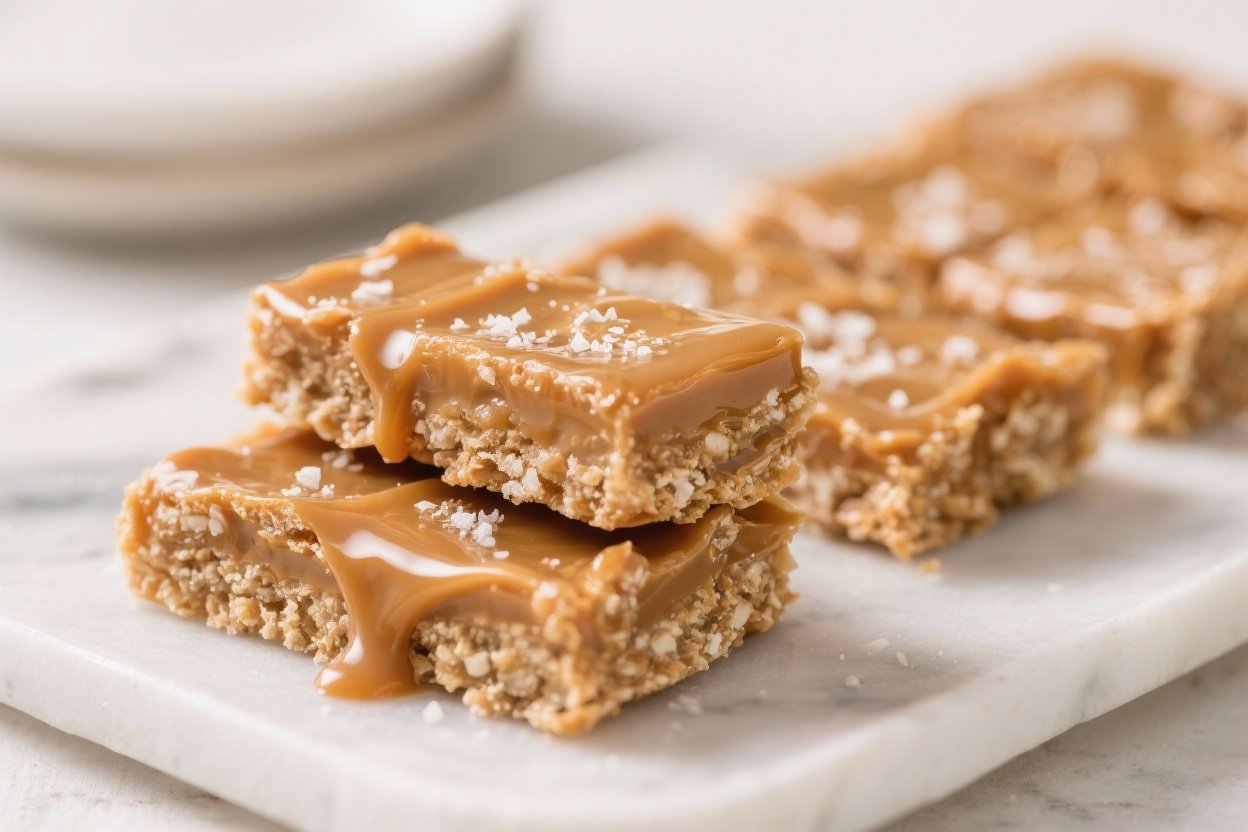
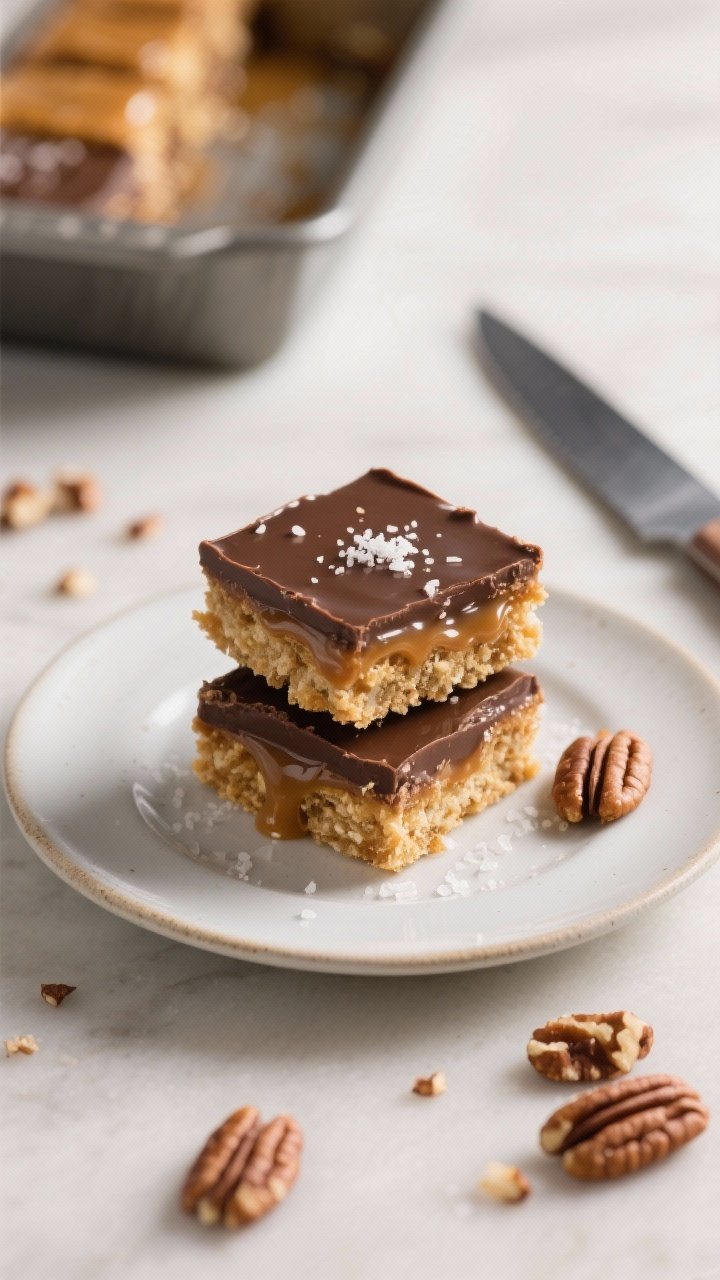
These Keto Salted Caramel Bars deliver everything you want from a treat: a buttery shortbread base, a smooth caramel layer, and a glossy chocolate topping with a touch of flaky salt. They’re rich, satisfying, and surprisingly simple to make. No complicated steps, no odd ingredients, just smart swaps that keep carbs low without sacrificing flavor.
If you’re missing classic caramel bars on keto, this recipe brings them back—without the sugar crash. Make a batch for the week, or stash some in the freezer for when your sweet tooth strikes.
Overeating is a pattern. This helps you fix that problem. A quick reset for cravings, snacking, and “I’ll start tomorrow” moments.
Built for busy home cooks who want real-life structure. Simple steps that fit meal prep, family dinners, and late-night snack attacks.
Why This Recipe Works
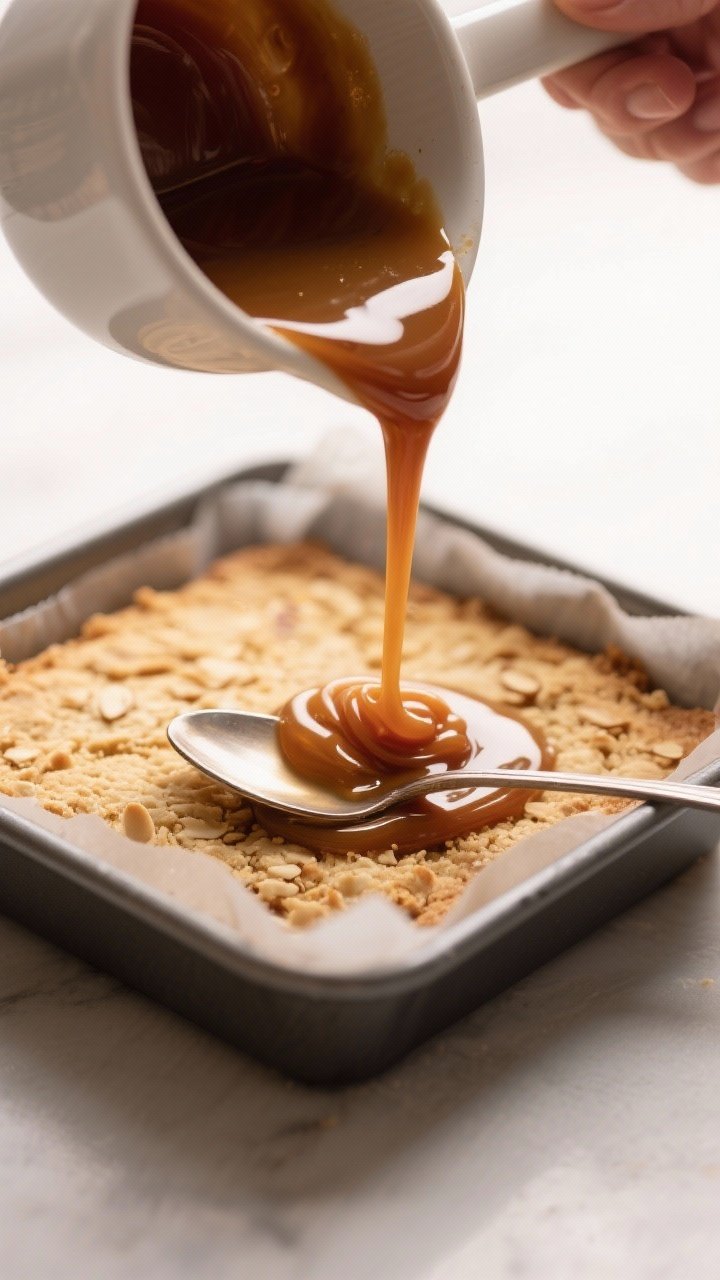
Traditional caramel relies on sugar, which can spike carbs fast. Here, we use allulose, a keto-friendly sweetener that browns and thickens like sugar, giving you that authentic caramel texture.
The base uses almond flour and a little coconut flour for sturdy, crisp shortbread that doesn’t crumble. The chocolate layer gets silky with a touch of coconut oil, and a sprinkle of flaky sea salt ties all the flavors together. It’s simple, balanced, and doesn’t taste “diet” at all.
What You’ll Need
- For the shortbread base:
- 1 1/2 cups blanched almond flour
- 2 tablespoons coconut flour
- 1/3 cup powdered allulose (or erythritol blend)
- 1/4 teaspoon fine sea salt
- 6 tablespoons unsalted butter, melted
- 1 teaspoon vanilla extract
- For the caramel layer:
- 1/2 cup unsalted butter
- 3/4 cup allulose (granulated)
- 1/2 cup heavy cream, room temperature
- 1 teaspoon vanilla extract
- 1/4 teaspoon fine sea salt (plus more to taste)
- For the chocolate topping:
- 1 cup sugar-free dark chocolate chips (60–70% cocoa style)
- 1 tablespoon coconut oil or cocoa butter
- Flaky sea salt, for finishing
- Tools:
- 8×8-inch square pan
- Parchment paper
- Medium saucepan
- Heatproof spatula
- Whisk
Step-by-Step Instructions
- Prep the pan. Line an 8×8-inch pan with parchment, leaving overhang for easy lifting.
Preheat your oven to 350°F (175°C).
- Make the shortbread. In a bowl, whisk almond flour, coconut flour, powdered allulose, and salt. Stir in melted butter and vanilla until a crumbly dough forms. Press evenly into the pan.
- Bake the base. Bake for 10–12 minutes, until lightly golden at the edges.
Set aside to cool completely. A cool base prevents the caramel from soaking in.
- Start the caramel. In a medium saucepan over medium heat, melt the butter. Add the allulose and whisk until dissolved.
Cook, whisking occasionally, until the mixture turns a deep golden color and smells nutty, about 5–7 minutes. Keep the heat moderate to avoid burning.
- Add the cream. Turn the heat to low. Slowly pour in the room-temperature cream while whisking.
The mixture will bubble. Keep whisking until smooth and glossy.
- Flavor and thicken. Stir in vanilla and salt. Simmer on low, stirring often, until the caramel thickens slightly and coats the back of a spoon, about 5–8 minutes.
It will firm more as it cools.
- Layer the caramel. Pour the caramel over the cooled shortbread. Tilt the pan to spread it evenly. Chill in the fridge for 30–45 minutes, or until set but still slightly tacky.
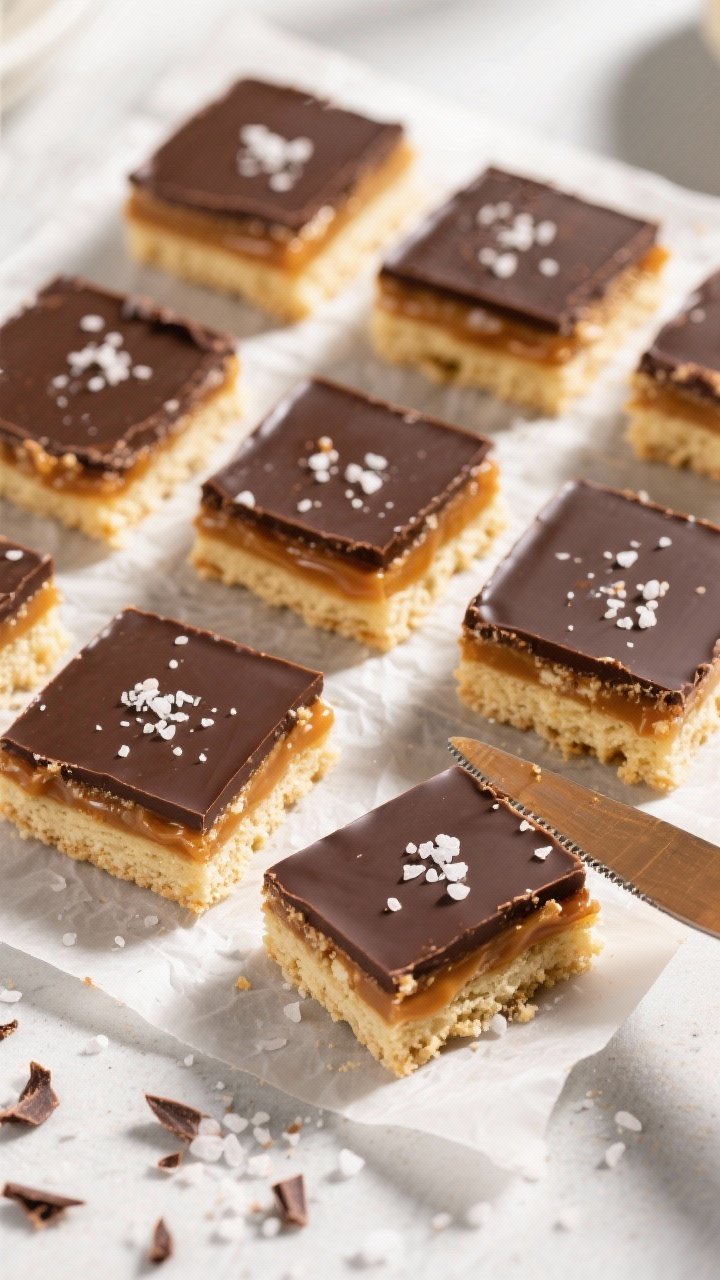
- Make the chocolate topping. Melt the chocolate chips with coconut oil in a heatproof bowl over barely simmering water, or microwave in 20–30 second bursts, stirring until smooth.
- Finish the bars. Pour the chocolate over the caramel.
Smooth with a spatula. Tap the pan gently to release air bubbles. Sprinkle lightly with flaky sea salt.
- Set and slice. Chill for 45–60 minutes, until the chocolate is firm but not rock hard.
Lift out using the parchment and slice into bars with a warm knife, wiping between cuts.
Keeping It Fresh
Store the bars in an airtight container in the fridge for up to one week. For a longer stash, freeze them for up to two months. If frozen, let them sit at room temp for 10–15 minutes before serving for the best texture.
Keep layers covered to prevent the chocolate from picking up fridge odors.
Why This is Good for You
- Low in net carbs: Almond and coconut flours keep carbs low while adding fiber.
- No sugar spikes: Allulose sweetens like sugar but doesn’t raise blood sugar for most people.
- Healthy fats: Butter, cream, and dark chocolate offer satisfying fats that help you feel full.
- Portion control built in: These are rich, so a small square goes a long way.
Pitfalls to Watch Out For
- Overcooking the caramel: If it gets too dark, it can taste bitter. Aim for deep amber, not mahogany.
- Using the wrong sweetener: Erythritol alone can crystallize and make caramel gritty. Allulose is the best choice for smooth, gooey caramel.
- Pouring hot caramel on a warm base: The caramel can soak in and make the crust soggy.
Cool the base first.
- Cutting when too cold: Rock-hard chocolate will crack. Let the pan sit at room temp for 5–10 minutes, then use a warm knife.
- Skipping the salt: That pinch of flaky salt balances sweetness and elevates flavor. Don’t skip it.
Recipe Variations
- Pecan crunch: Sprinkle 1/2 cup toasted chopped pecans over the caramel before adding chocolate.
- Cafe mocha: Stir 1 teaspoon instant espresso powder into the melted chocolate for a subtle coffee kick.
- Coconut twist: Add 2 tablespoons unsweetened shredded coconut to the crust or sprinkle on top of the chocolate.
- Peanut butter layer: Whisk 2 tablespoons natural peanut butter into the caramel for a nutty flavor.
- Dairy-free option: Swap butter for vegan butter and use full-fat coconut cream in place of heavy cream.
Choose dairy-free, sugar-free chocolate.
FAQ
Can I use monk fruit or erythritol instead of allulose?
You can, but expect a different texture. Erythritol blends can crystallize as they cool, making the caramel grainy. If you must use them, add 1–2 tablespoons of allulose or a splash of glycerin to help reduce crystallization, and don’t over-reduce the caramel.
How do I know the caramel is thick enough?
Dip a spoon in the caramel and run your finger across the back.
If the line holds for a second before filling in, it’s ready. Remember, it thickens more as it cools on the crust.
What size should I cut the bars?
These are rich, so 16 small squares (4×4) usually hit the spot. For bite-size treats, cut 25 mini squares (5×5).
Adjust based on your macros and appetite.
My chocolate cracked when slicing. What went wrong?
It was likely too cold. Let the pan sit out for a few minutes before slicing and warm your knife under hot water, drying it before each cut.
This helps the chocolate slice cleanly without shattering.
Are these bars keto for everyone?
They’re very low in net carbs, but always check your specific ingredients and serving size. Keto can vary by person, so track your portion and monitor how you feel.
Can I make them nut-free?
Yes, try a sunflower seed flour crust in place of almond flour and keep the coconut flour. The texture will be similar, though the flavor may be slightly earthier.
Do I need a candy thermometer?
No.
This recipe is designed to be made by sight and texture. Just keep the heat moderate, watch the color, and use the spoon test for thickness.
Final Thoughts
Keto Salted Caramel Bars are proof you don’t have to give up indulgent desserts to stay on track. With a crisp shortbread, real-deal caramel, and a salted chocolate finish, they tick every box.
Make them on a Sunday, portion them out, and enjoy a luxurious bite whenever you want something sweet. Simple ingredients, reliable steps, and a flavor that feels downright special—that’s a win in any kitchen.
Printable Recipe Card
Want just the essential recipe details without scrolling through the article? Get our printable recipe card with just the ingredients and instructions.