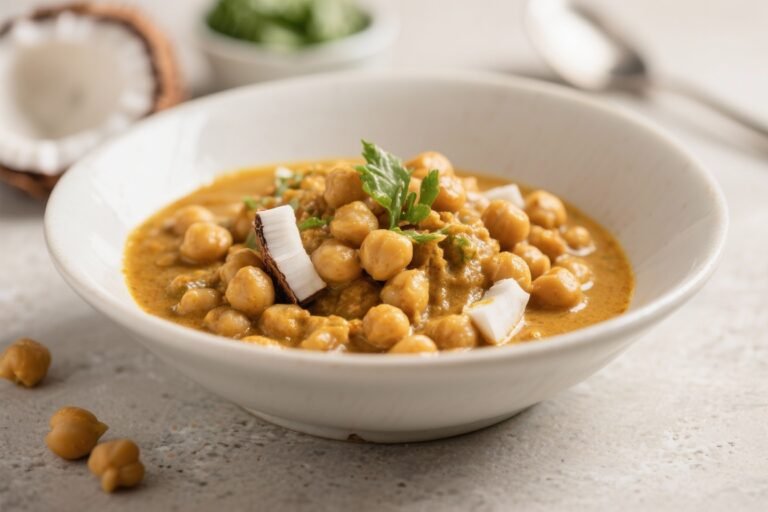
Thai Coconut Curry Noodle Soup – Creamy, Comforting, and Full of Flavor
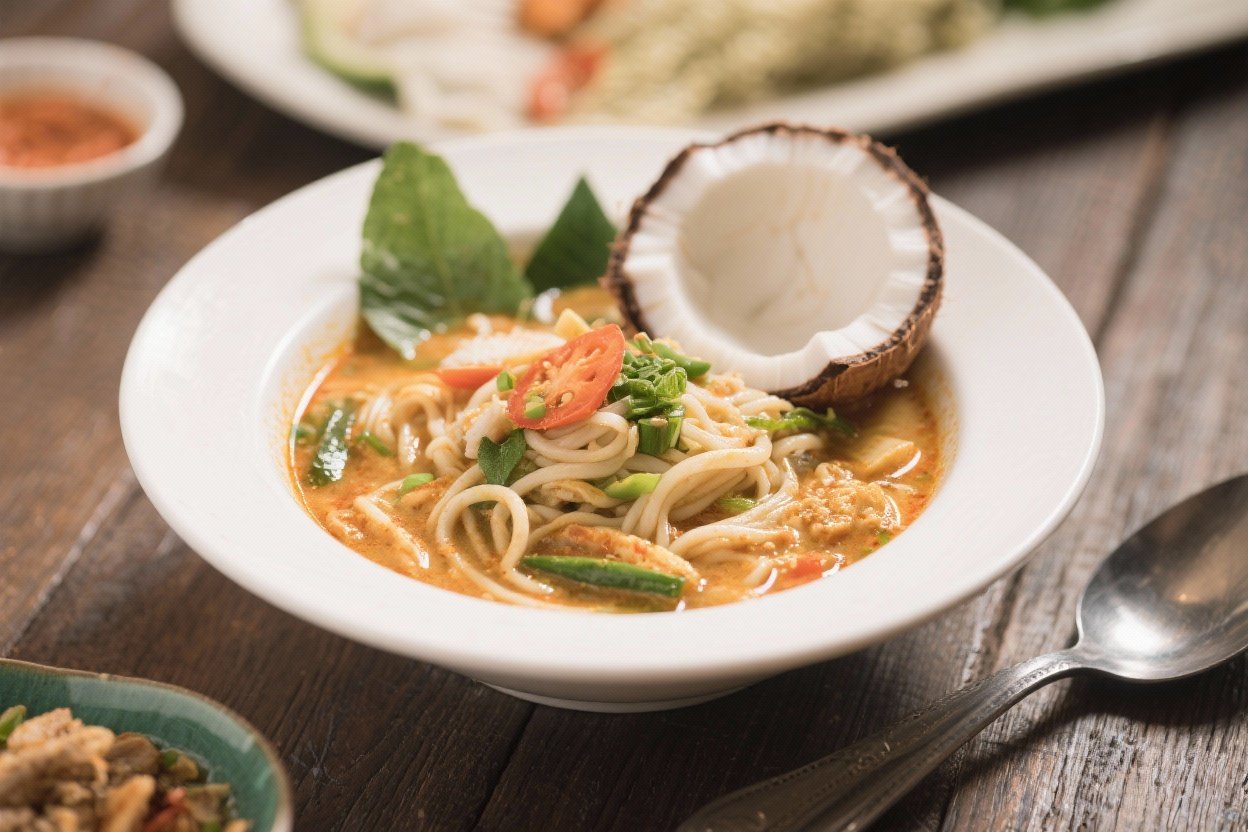
This Thai Coconut Curry Noodle Soup is warm, fragrant, and deeply comforting without being heavy. It’s the kind of bowl that wakes up your senses with a gentle kick of spice and a silky coconut broth. The noodles make it satisfying, while the herbs keep it fresh and bright.
It’s simple enough for a weeknight, but special enough to share. Once you try it, it’ll become one of those recipes you come back to again and again.
Ingredients
Method
- Prep the noodles. Cook noodles according to package directions until just tender. Drain, rinse briefly with cool water, and set aside. Toss with a little oil to prevent sticking.
- Warm the aromatics. In a large pot, heat 1–2 tablespoons oil over medium heat. Add shallot/onion, garlic, and ginger. Cook 2–3 minutes until fragrant and softened, but not browned.
- Bloom the curry paste. Stir in the red curry paste and cook 1 minute, pressing it into the pot. This step unlocks deeper flavor.
- Build the broth. Pour in the coconut milk and 3 cups broth. Add fish sauce (or soy) and sugar. Stir and bring to a gentle simmer.
- Add protein and veggies. If using chicken, add it now and simmer 5–7 minutes until cooked through. For shrimp, add in the last 3 minutes. For tofu or mushrooms, add with vegetables. Then add bell pepper, carrots, and snap peas; simmer 3–5 minutes until crisp-tender.
- Adjust the flavor. Add lime zest and juice. Taste and adjust with more fish/soy sauce for salt, sugar for balance, or extra curry paste for heat. If the broth is too strong, add more broth to thin.
- Combine with noodles. Divide noodles into bowls and ladle hot soup over them, or stir noodles directly into the pot right before serving.
- Finish with toppings. Sprinkle with cilantro, Thai basil, scallions, and sliced chili. Add bean sprouts and extra lime wedges. Drizzle chili oil if you like heat.
Overeating is a pattern. This helps you fix that problem. A quick reset for cravings, snacking, and “I’ll start tomorrow” moments.
Built for busy home cooks who want real-life structure. Simple steps that fit meal prep, family dinners, and late-night snack attacks.
What Makes This Recipe So Good
- Balanced flavors: Creamy coconut milk, punchy curry paste, and fresh lime create a perfect blend of savory, spicy, and tangy.
- Quick and flexible: Comes together in about 30 minutes and works with chicken, shrimp, tofu, or just vegetables.
- Comfort without heaviness: The broth is rich but not cloying, thanks to aromatics and acidity.
- Fresh toppings: Herbs, chili, and lime add brightness and let everyone customize their bowl.
- Pantry-friendly: Uses ingredients you can keep on hand like curry paste, coconut milk, and noodles.
What You’ll Need
- Oil: Neutral oil like avocado, canola, or coconut oil for sautéing.
- Aromatics: Garlic (3–4 cloves, minced), fresh ginger (1–2 tablespoons, grated), and shallot or onion (1 small, finely chopped).
- Thai red curry paste: 2–3 tablespoons, to taste. Choose your favorite brand for reliable flavor.
- Coconut milk: 1 can (13.5–14 oz) full-fat for a silky broth.
Light coconut milk works, but will be thinner.
- Broth: 3–4 cups chicken or vegetable broth.
- Fish sauce or soy sauce: 1–2 tablespoons for depth and saltiness.
- Lime: Zest of 1 lime and juice to taste (about 2 tablespoons).
- Brown sugar or palm sugar: 1–2 teaspoons to balance the spice.
- Protein (optional): Thinly sliced chicken breast/thighs, peeled shrimp, firm tofu cubes, or mushrooms.
- Vegetables: Red bell pepper (sliced), carrots (matchsticks), baby spinach or bok choy, and snap peas or broccoli florets.
- Noodles: Rice noodles (medium or wide), ramen, or udon. About 8–10 oz.
- Fresh herbs and toppings: Cilantro, Thai basil, scallions, sliced red chili, bean sprouts, and extra lime wedges.
- Optional extras: A splash of coconut aminos or tamari, chili oil, or a drizzle of sesame oil.
Instructions
- Prep the noodles. Cook noodles according to package directions until just tender. Drain, rinse briefly with cool water, and set aside.
Toss with a little oil to prevent sticking.
- Warm the aromatics. In a large pot, heat 1–2 tablespoons oil over medium heat. Add shallot/onion, garlic, and ginger. Cook 2–3 minutes until fragrant and softened, but not browned.
- Bloom the curry paste. Stir in the red curry paste and cook 1 minute, pressing it into the pot.
This step unlocks deeper flavor.
- Build the broth. Pour in the coconut milk and 3 cups broth. Add fish sauce (or soy) and sugar. Stir and bring to a gentle simmer.
- Add protein and veggies. If using chicken, add it now and simmer 5–7 minutes until cooked through.
For shrimp, add in the last 3 minutes. For tofu or mushrooms, add with vegetables. Then add bell pepper, carrots, and snap peas; simmer 3–5 minutes until crisp-tender.
- Adjust the flavor. Add lime zest and juice.
Taste and adjust with more fish/soy sauce for salt, sugar for balance, or extra curry paste for heat. If the broth is too strong, add more broth to thin.
- Combine with noodles. Divide noodles into bowls and ladle hot soup over them, or stir noodles directly into the pot right before serving.
- Finish with toppings. Sprinkle with cilantro, Thai basil, scallions, and sliced chili. Add bean sprouts and extra lime wedges.
Drizzle chili oil if you like heat.
Keeping It Fresh
- Store separately: Keep noodles and broth in separate containers to avoid mushy noodles. Combine just before eating.
- Fridge: The broth keeps 3–4 days in an airtight container. Noodles keep 2–3 days.
- Reheat gently: Warm the broth on the stove over medium heat.
Add noodles at the end to heat through.
- Freeze the broth: The soup base (without noodles and delicate greens) freezes well for up to 2 months. Add fresh veggies and noodles when reheating.
Health Benefits
- Protein options: Chicken, shrimp, or tofu make this a balanced meal that keeps you full.
- Veggie-packed: Bell pepper, carrots, and leafy greens contribute fiber, vitamins A and C, and antioxidants.
- Healthy fats: Coconut milk provides satiating fats that make the soup satisfying and aid in nutrient absorption.
- Gluten-free friendly: Use rice noodles and tamari or fish sauce to keep it gluten-free.
- Customizable spice: You control the heat level, which can support digestion and circulation without overwhelming your palate.
Common Mistakes to Avoid
- Skipping the bloom: Don’t add curry paste straight to liquid. Blooming it in oil boosts aroma and depth.
- Overcooking noodles: They’ll keep softening in hot broth.
Keep them slightly under and store separately.
- Boiling the coconut milk hard: A rolling boil can cause separation. Keep it at a gentle simmer.
- Under-seasoning: The right balance needs salt (fish/soy), acid (lime), and a touch of sweetness. Taste and adjust.
- Adding herbs too early: Fresh herbs should go in at the end to stay bright and fragrant.
Variations You Can Try
- Green curry version: Swap red curry paste for green curry paste and add zucchini, bamboo shoots, and Thai basil.
- Vegan and vegetarian: Use vegetable broth, tofu or mushrooms, and soy or tamari instead of fish sauce.
Add a splash of lime and a pinch of salt to replace the umami.
- Khao soi-inspired: Add a touch of turmeric and curry powder, and top with crispy noodles, pickled mustard greens, and red onion.
- Extra-creamy: Stir in a spoonful of peanut or almond butter for richness and nutty depth.
- Low-carb: Replace noodles with spiralized zucchini or shirataki noodles, and load up on greens.
- Spicy seafood: Toss in shrimp and a handful of mussels, and finish with lots of lime and chili oil.
FAQ
Can I use light coconut milk?
Yes, but the broth will be thinner and less silky. If you choose light coconut milk, simmer a few extra minutes to concentrate the flavor, or add a small splash of full-fat coconut milk at the end.
What noodles work best?
Rice noodles are classic and soak up the broth well. Ramen and udon work too, but they change the texture slightly.
Avoid very thin rice vermicelli if you plan to store leftovers, as they can become soft quickly.
Is Thai red curry paste very spicy?
It varies by brand. Start with 2 tablespoons, taste, and add more if you want extra heat. You can always brighten with fresh chili or chili oil at the table.
How can I make it without fish sauce?
Use soy sauce or tamari and add a little extra lime juice for brightness.
A dash of mushroom powder or a spoon of white miso can help replace the umami.
Can I make it ahead?
Yes. Prepare the broth and store it separately from the noodles and herbs. Reheat the broth, add fresh veggies if needed, and combine with noodles just before serving.
What vegetables are good substitutes?
Try broccoli, baby corn, mushrooms, zucchini, cabbage, or kale.
Keep pieces bite-sized and cook until just tender to keep texture and color.
How do I prevent coconut milk from curdling?
Keep the heat at a gentle simmer, not a rolling boil. Stir occasionally and add acidic ingredients like lime juice at the end of cooking.
Final Thoughts
Thai Coconut Curry Noodle Soup is cozy, vibrant, and endlessly flexible. You get the comfort of noodles with the lively flavors of curry, herbs, and lime.
With a few pantry staples and fresh toppings, you can make a bowl that tastes restaurant-worthy in about half an hour. Keep the noodles separate, season at the end, and make it your own with the add-ins you love. This is the kind of recipe that turns a regular night into something a little special.
Printable Recipe Card
Want just the essential recipe details without scrolling through the article? Get our printable recipe card with just the ingredients and instructions.