Thai Curry Keto Chicken – Cozy, Flavor-Packed, and Low-Carb
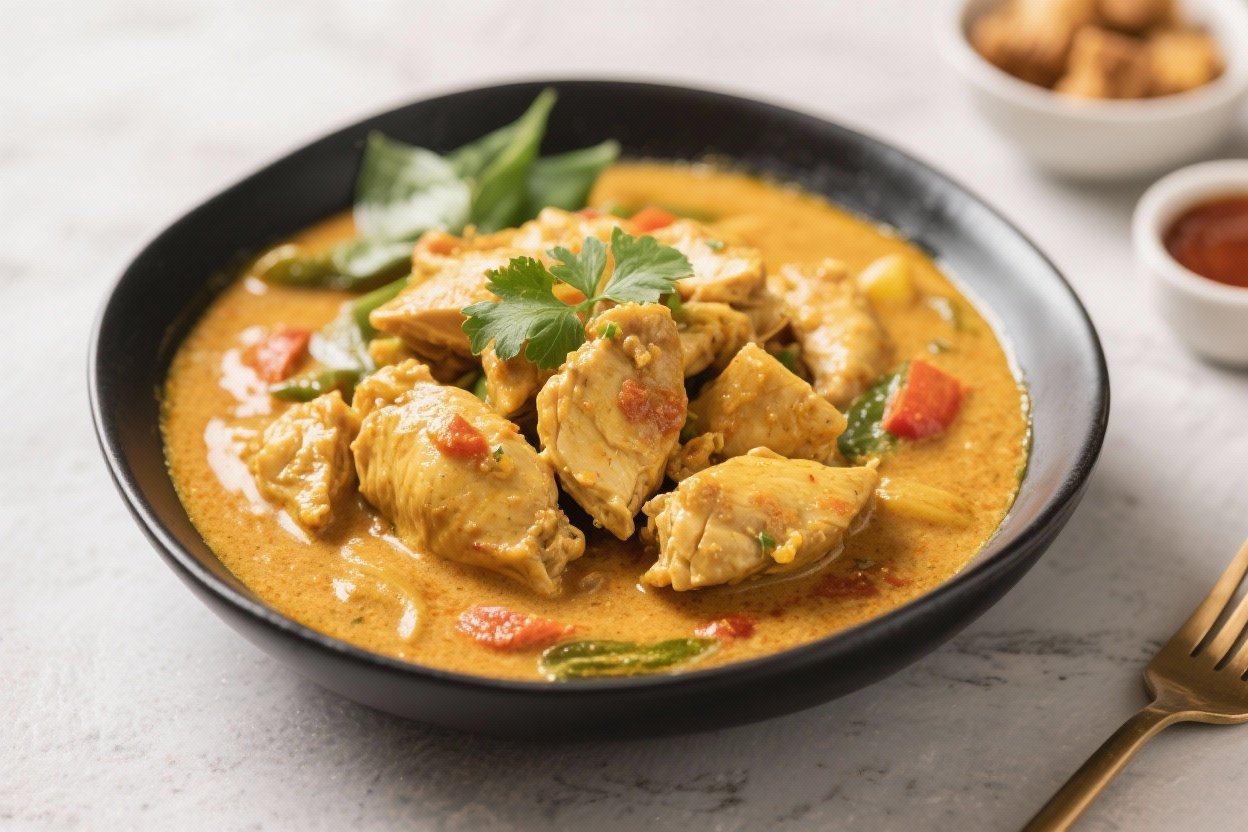
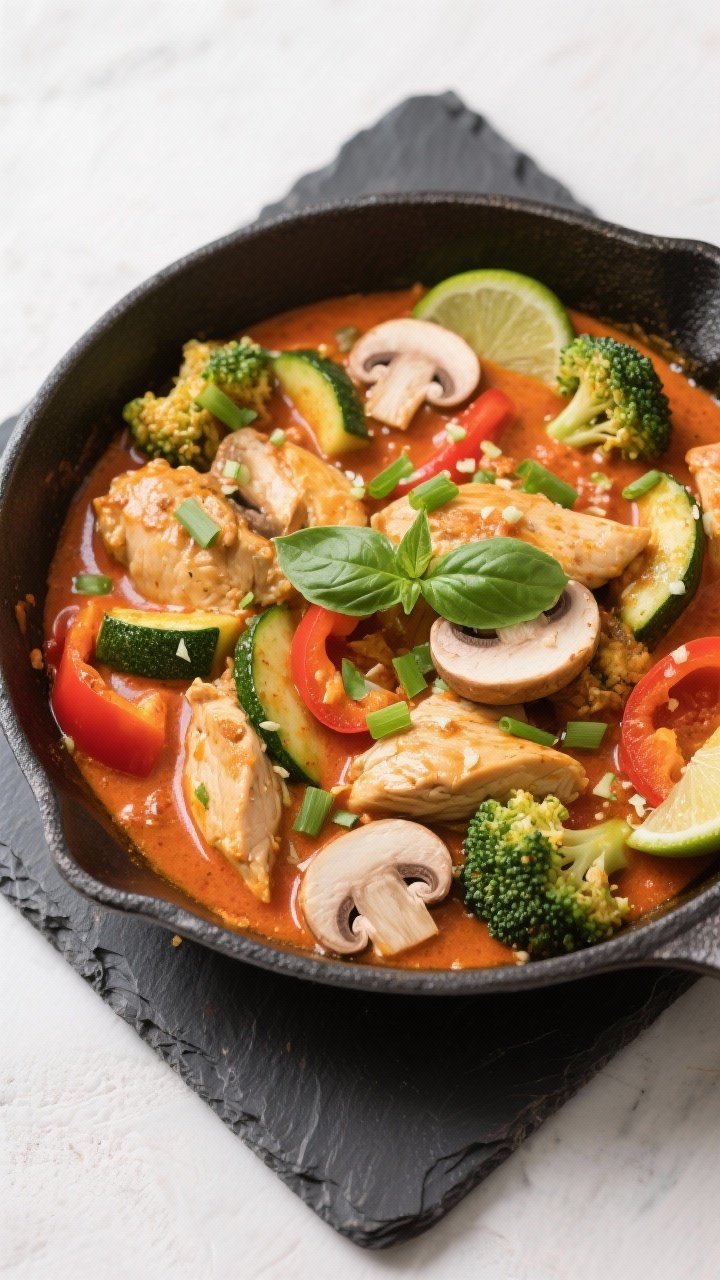
If you’re craving bold flavor without the carb crash, Thai Curry Keto Chicken hits the spot. It’s creamy, spicy, and loaded with tender chicken and fresh veggies—without the sugar-laden sauces or noodles. You’ll get all the warmth of a Thai curry with smart swaps that keep it keto-friendly.
This recipe is weeknight-simple but feels special enough for company. It’s the kind of meal you’ll want to make again the minute your bowl is empty.
Overeating is a pattern. This helps you fix that problem. A quick reset for cravings, snacking, and “I’ll start tomorrow” moments.
Built for busy home cooks who want real-life structure. Simple steps that fit meal prep, family dinners, and late-night snack attacks.
What Makes This Special
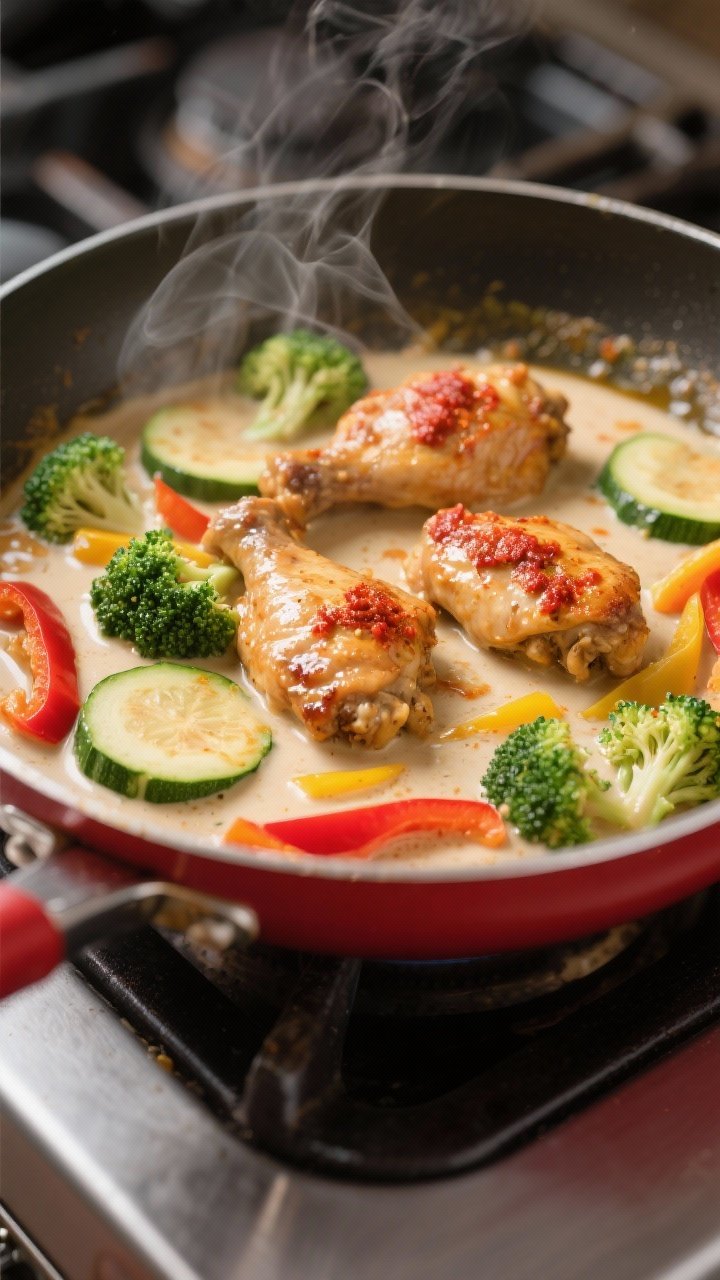
This Thai curry leans into rich coconut milk, aromatic curry paste, and crisp low-carb vegetables for a satisfying, spoonable meal. It skips sugar and starches while keeping authentic flavor front and center. It cooks in under 30 minutes and only uses one pan, which makes cleanup easy.
Plus, the heat level is adjustable, so you can keep it gentle or turn it up.
Shopping List
- Chicken: 1.5 pounds boneless, skinless chicken thighs (breasts work too, but thighs stay juicier)
- Coconut oil or avocado oil: 1–2 tablespoons
- Thai curry paste: 2–3 tablespoons red or green (check label for added sugar)
- Garlic: 3 cloves, minced
- Ginger: 1 tablespoon, minced
- Full-fat coconut milk: 1 can (13.5–14 oz)
- Chicken broth: 1/2–3/4 cup (low-sodium, no sugar)
- Fish sauce: 1–2 teaspoons (to taste)
- Lime juice: 1–2 tablespoons, plus extra wedges for serving
- Low-carb vegetables:
- 1 small zucchini, sliced into half-moons
- 1 cup bell pepper strips (red or yellow)
- 1 cup broccoli florets or green beans
- 1/2 small onion, thinly sliced (optional)
- 1/2 cup mushrooms, sliced (optional)
- Fresh herbs: Cilantro and/or Thai basil, roughly chopped
- Kaffir lime leaves or lime zest: Optional, but great for aroma
- Sweetener (optional): A pinch of erythritol or monk fruit to balance heat
- Salt and pepper: To taste
- Garnishes: Sliced scallions, red chili slices, sesame seeds (optional)
- Serve with: Cauliflower rice or shirataki noodles (optional, keto-friendly)
Instructions
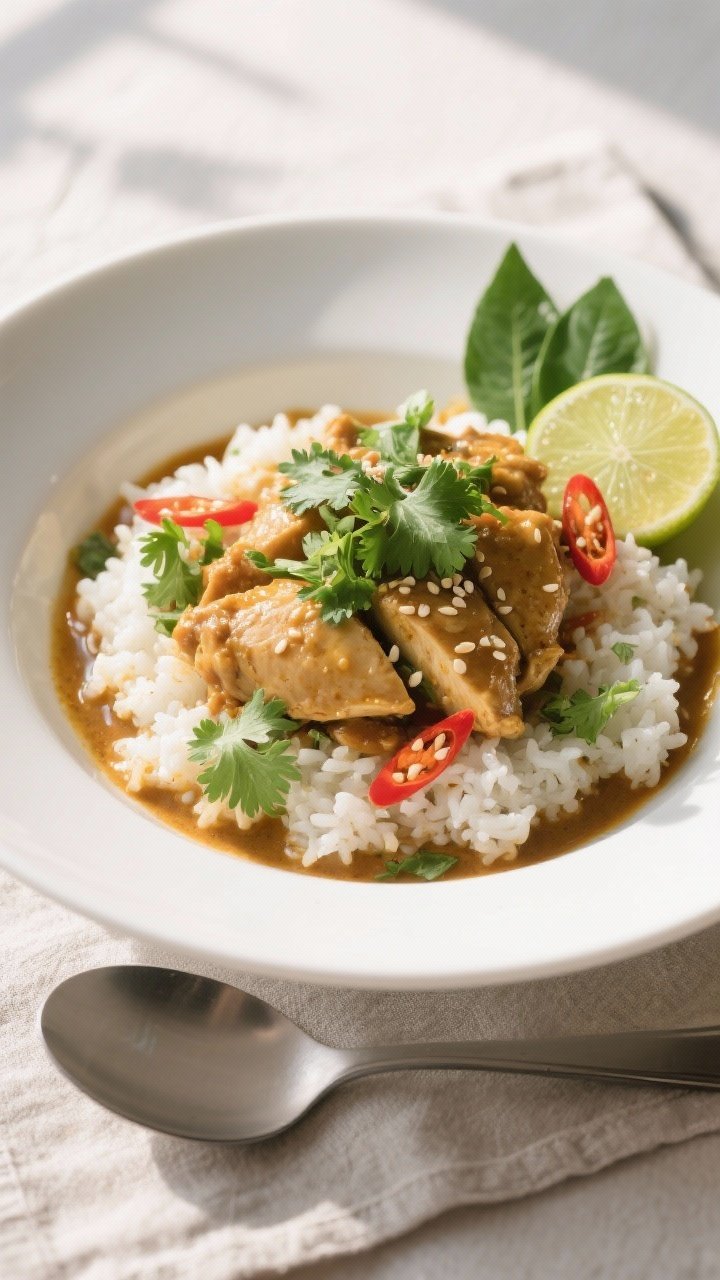
- Prep the chicken: Pat chicken thighs dry and cut into bite-size pieces. Season lightly with salt and pepper.
- Heat the pan: Warm coconut or avocado oil in a large skillet or pot over medium-high heat.
- Sauté aromatics: Add garlic and ginger. Stir for 30–45 seconds until fragrant, taking care not to burn.
- Bloom the curry paste: Stir in the curry paste and cook for 1–2 minutes.
This deepens the flavor and releases the oils.
- Add chicken: Toss in the chicken pieces and coat with the paste. Cook for 3–4 minutes until lightly browned on the outside.
- Pour liquids: Add coconut milk and 1/2 cup chicken broth. Stir to combine and bring to a gentle simmer.
- Season the base: Add fish sauce and lime juice.
Taste and adjust with more curry paste, fish sauce, or a pinch of keto sweetener if needed.
- Add vegetables: Stir in zucchini, bell pepper, broccoli (or green beans), and any optional onion or mushrooms.
- Simmer to tender: Cook 6–8 minutes, stirring occasionally, until chicken is cooked through and veggies are crisp-tender. Add more broth if you prefer a looser curry.
- Finish with brightness: Add chopped cilantro or Thai basil and, if you have them, torn kaffir lime leaves or a little lime zest. Turn off the heat.
- Taste and tweak: Balance salt, acid, and heat.
Add more lime for lift, fish sauce for savoriness, or a touch of sweetener for roundness.
- Serve: Spoon over warm cauliflower rice or alongside shirataki noodles. Garnish with scallions, chili slices, or sesame seeds.
Keeping It Fresh
Store leftovers in an airtight container for up to 4 days in the fridge. The flavors develop beautifully overnight.
For freezing, keep the curry sauce and veggies separate if possible, since zucchini can get soft after thawing. Reheat gently on the stovetop over low to medium heat and add a splash of broth to loosen the sauce. Freshen with extra lime juice and herbs just before serving.
Health Benefits
- Low-carb and high-fat balance: Full-fat coconut milk supports satiety without spiking blood sugar.
- Protein-rich: Chicken provides complete protein to support muscle recovery and steady energy.
- Anti-inflammatory spices: Ginger, garlic, and curry paste ingredients like turmeric and chilies bring antioxidants.
- Fiber from veggies: Non-starchy vegetables add fiber for digestion and help keep net carbs in check.
- Electrolyte-friendly: Fish sauce provides sodium, which can help those adapting to keto maintain balance.
Pitfalls to Watch Out For
- Hidden sugars: Some curry pastes and broths contain sugar or starch.
Read labels and choose clean brands.
- Light coconut milk: It can make the sauce thin and less satisfying. Use full-fat for the best texture.
- Overcooking veggies: Keep them crisp-tender. Mushy vegetables can make the curry feel heavy.
- Skipping acid: Lime juice is key for balance.
Without it, the curry can taste flat.
- Too much heat too fast: Thai chilies and curry pastes vary in spice. Add in stages and taste as you go.
Variations You Can Try
- Green curry twist: Use green curry paste and add more green veggies like asparagus, snap peas, or spinach.
- Panang vibes: Stir in 1–2 tablespoons of unsweetened peanut butter or almond butter for a richer, nutty sauce.
- Seafood swap: Replace chicken with shrimp or firm white fish. Simmer less time to avoid overcooking.
- Extra creamy: Add a tablespoon of coconut cream at the end for a silkier finish.
- Herb-forward: Finish with a mix of Thai basil, cilantro, and mint for a fresh, layered aroma.
- Spice builder: Toast whole cumin and coriander seeds in the oil before adding paste for deeper warmth.
- Ultra-low carb: Skip bell peppers and onions, use more zucchini, mushrooms, and leafy greens.
FAQ
Is Thai curry paste keto-friendly?
Often yes, but not always.
Many brands are just chilies, herbs, and spices, while others add sugar or starch. Check the label and pick one with clean ingredients and low carbs per serving.
Can I make this dairy-free?
It already is. The creaminess comes from full-fat coconut milk, which is dairy-free and keto-friendly.
What can I use instead of fish sauce?
Coconut aminos with a pinch of salt works in a pinch, though it’s a little sweeter.
You can also use tamari plus a squeeze of lime for balance.
How spicy is this recipe?
It’s mildly spicy with 2 tablespoons of curry paste. For more heat, add an extra tablespoon or toss in sliced Thai chilies. For less heat, start with 1 tablespoon and build up.
Can I meal-prep this?
Yes.
Cook the curry and store it in single-serve containers with cauliflower rice on the side. It reheats well and stays tasty for several days.
What’s the best way to thicken the sauce without starch?
Simmer uncovered for a few extra minutes to reduce, or stir in a spoonful of coconut cream at the end. Avoid flours or cornstarch to keep it keto.
Can I use chicken breasts instead of thighs?
Yes, but be careful not to overcook them.
Breasts can dry out faster, so simmer just until cooked through and keep the heat moderate.
In Conclusion
Thai Curry Keto Chicken is a weeknight winner with restaurant-level flavor and smart, low-carb swaps. It’s creamy, comforting, and easy to tailor to your spice level and veggie preferences. With a handful of fresh ingredients and a good curry paste, you’ll have a satisfying meal in under 30 minutes.
Keep it simple, keep it bright with lime, and you’ll be hooked after the first bite.
Printable Recipe Card
Want just the essential recipe details without scrolling through the article? Get our printable recipe card with just the ingredients and instructions.