Tuna & Veggie Stir-Fry – Quick, Bright, and Satisfying
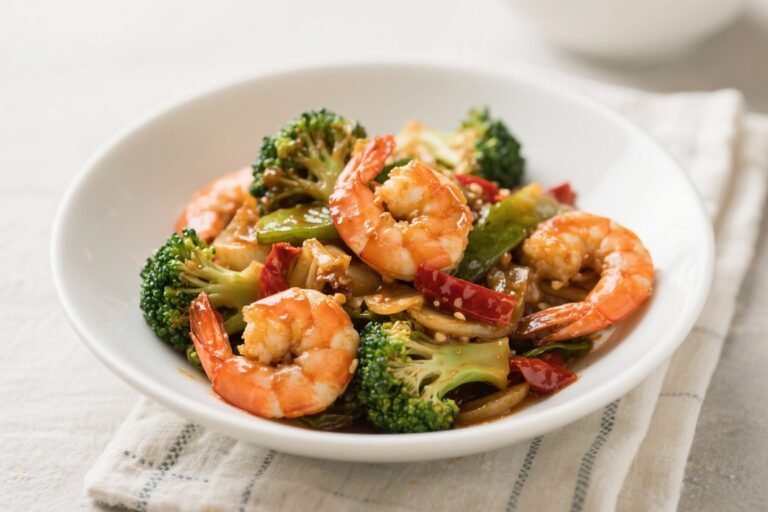
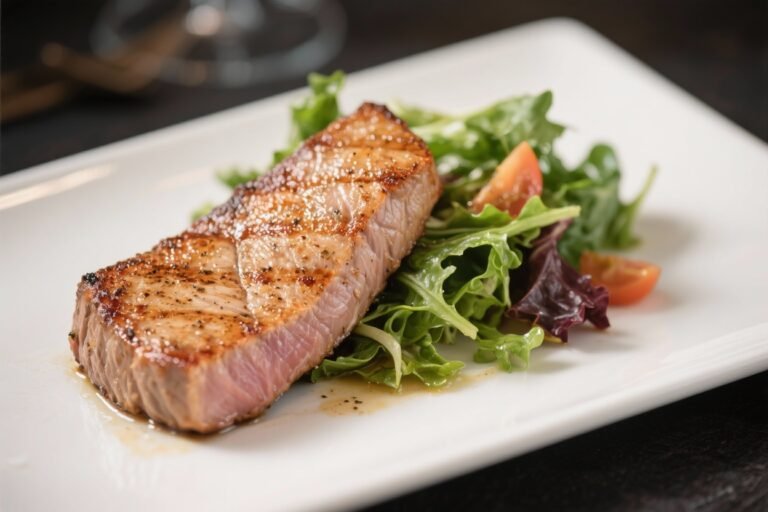
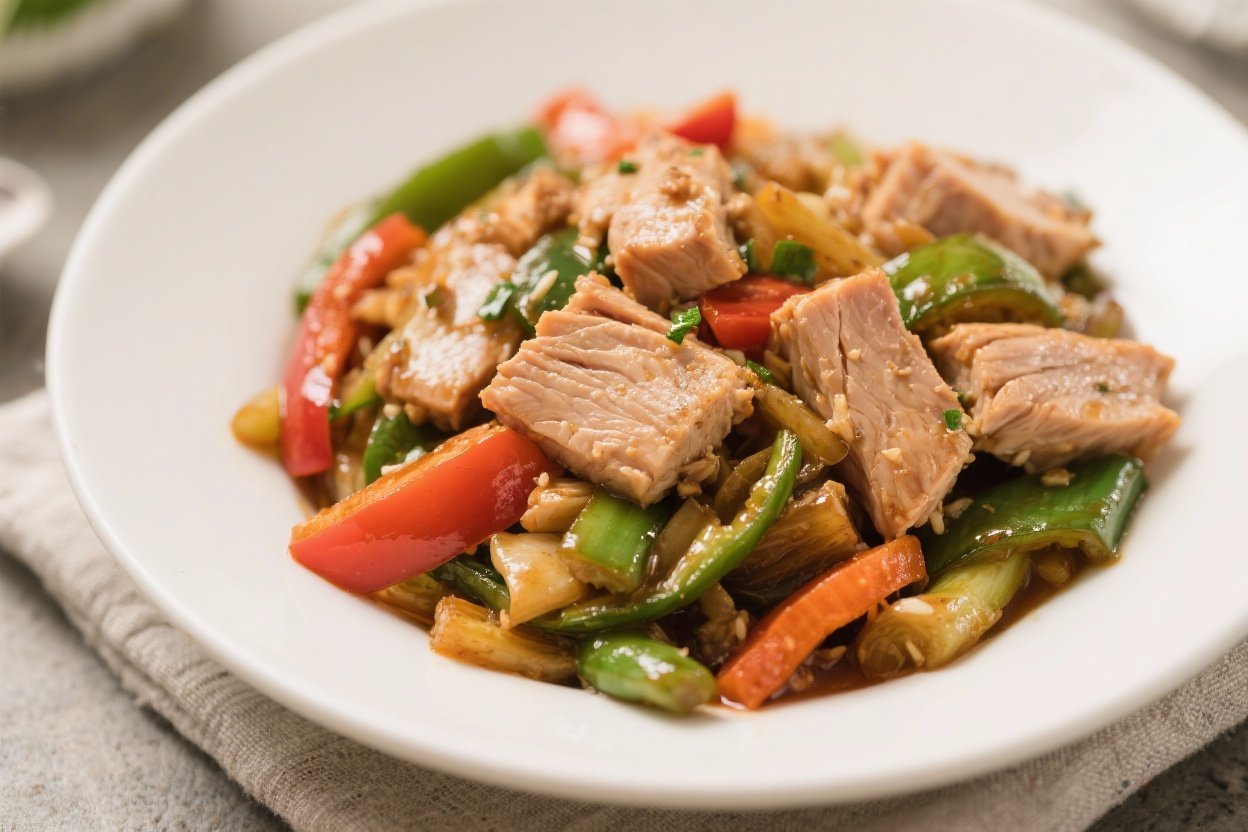
Stir-fry dinners are a weeknight hero, and this Tuna & Veggie Stir-Fry is no exception. It’s fast, colorful, and packed with flavor without requiring fancy techniques. You’ll get crisp-tender vegetables, flaky tuna, and a glossy sauce that ties it all together.
It’s the kind of meal that feels balanced and comforting, yet light enough for any day. Best of all, you can make it with pantry staples and whatever fresh produce you have on hand.
Ingredients
Method
- Prep the sauce: In a small bowl, whisk soy sauce, oyster sauce, rice vinegar, honey, sesame oil, and water. If you want a thicker sauce, stir in the cornstarch until smooth. Add chili flakes if you like heat. Set aside.
- Prep the veggies and tuna: Drain canned tuna really well and flake lightly with a fork. If using fresh tuna, pat dry and season with a pinch of salt and pepper.
- Heat the pan: Set a large skillet or wok over medium-high heat. Add 1 tablespoon oil and swirl to coat.
- Cook the aromatics: Add garlic, ginger, and the white parts of the green onions. Stir-fry for 30 seconds until fragrant, being careful not to burn.
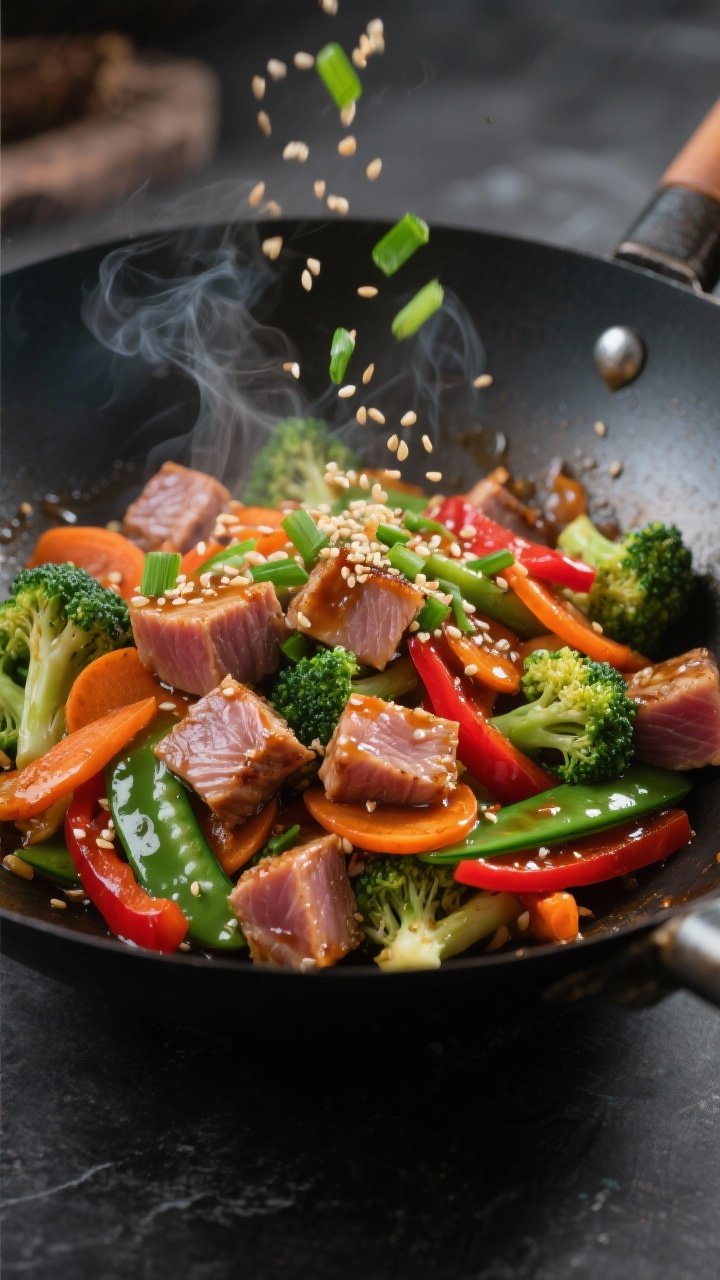
- Stir-fry the hard veggies: Add broccoli and carrots. Cook 2–3 minutes, stirring often, until they start to soften but still feel crisp.
- Add the quick-cook veggies: Add bell pepper and snow peas. Stir-fry 2–3 minutes more. You want bright color and a little bite.
- Add the tuna: If using fresh tuna, push veggies to the edges, add the remaining 1 tablespoon oil, and sear tuna pieces 1–2 minutes per side until just cooked. If using canned tuna, gently fold it in now.
- Sauce it up: Give the sauce a quick stir and pour it over everything. Toss gently to coat and cook 1–2 minutes until the sauce thickens slightly and clings to the tuna and veggies.
- Finish and serve: Sprinkle in the green parts of the onions and sesame seeds. Taste and adjust with a splash more soy sauce, vinegar, or chili. Serve hot over rice or noodles.
Overeating is a pattern. This helps you fix that problem. A quick reset for cravings, snacking, and “I’ll start tomorrow” moments.
Built for busy home cooks who want real-life structure. Simple steps that fit meal prep, family dinners, and late-night snack attacks.
What Makes This Recipe So Good
- Speedy and practical: The whole dish comes together in under 25 minutes, start to finish.
- Flexible ingredients: Use canned tuna, fresh tuna, or even leftover seared tuna. Any crisp veggies work well here.
- Balanced flavors: A simple soy-garlic-ginger sauce adds savory depth with a touch of sweetness and acidity.
- Light but filling: Lean protein, fiber-rich vegetables, and a clean sauce make for a satisfying plate that won’t weigh you down.
- Budget-friendly: Canned tuna and everyday vegetables keep costs low while still delivering big flavor.
What You’ll Need
- Tuna: 2 cans (5–6 oz each) of solid albacore or light tuna, drained well; or 12 oz fresh tuna steak, cut into bite-size pieces
- Vegetable oil or avocado oil: 2 tablespoons
- Garlic: 3 cloves, minced
- Fresh ginger: 1 tablespoon, finely grated
- Red bell pepper: 1, sliced into thin strips
- Broccoli: 2 cups small florets
- Carrot: 1 large, peeled and sliced thin on the bias
- Snow peas or snap peas: 1 cup, ends trimmed
- Green onions: 3, sliced (white and green parts separated)
- Low-sodium soy sauce or tamari: 3 tablespoons
- Oyster sauce (optional but great): 1 tablespoon
- Rice vinegar or lime juice: 1 tablespoon
- Honey or brown sugar: 1 to 2 teaspoons
- Toasted sesame oil: 1 teaspoon
- Cornstarch: 2 teaspoons (optional, for thickening)
- Water or low-sodium broth: 1/3 cup
- Crushed red pepper flakes or chili-garlic sauce: to taste
- Sesame seeds: 1 teaspoon, for garnish
- Cooked rice or noodles: for serving
Instructions

- Prep the sauce: In a small bowl, whisk soy sauce, oyster sauce, rice vinegar, honey, sesame oil, and water.
If you want a thicker sauce, stir in the cornstarch until smooth. Add chili flakes if you like heat. Set aside.
- Prep the veggies and tuna: Drain canned tuna really well and flake lightly with a fork.
If using fresh tuna, pat dry and season with a pinch of salt and pepper.
- Heat the pan: Set a large skillet or wok over medium-high heat. Add 1 tablespoon oil and swirl to coat.
- Cook the aromatics: Add garlic, ginger, and the white parts of the green onions. Stir-fry for 30 seconds until fragrant, being careful not to burn.
- Stir-fry the hard veggies: Add broccoli and carrots.
Cook 2–3 minutes, stirring often, until they start to soften but still feel crisp.
- Add the quick-cook veggies: Add bell pepper and snow peas. Stir-fry 2–3 minutes more. You want bright color and a little bite.
- Add the tuna: If using fresh tuna, push veggies to the edges, add the remaining 1 tablespoon oil, and sear tuna pieces 1–2 minutes per side until just cooked.
If using canned tuna, gently fold it in now.
- Sauce it up: Give the sauce a quick stir and pour it over everything. Toss gently to coat and cook 1–2 minutes until the sauce thickens slightly and clings to the tuna and veggies.
- Finish and serve: Sprinkle in the green parts of the onions and sesame seeds. Taste and adjust with a splash more soy sauce, vinegar, or chili.
Serve hot over rice or noodles.
Keeping It Fresh
Storage: Refrigerate leftovers in an airtight container for up to 2 days. The vegetables stay crisp if you don’t overcook them initially.
Reheating: Warm gently in a skillet over medium heat with a splash of water to loosen the sauce. Avoid high heat, which can make tuna dry and veggies limp.
Meal prep tip: Keep sauce, veggies, and tuna stored separately if preparing in advance.
Stir-fry the veggies and tuna just before serving for the best texture.
Why This is Good for You
Lean protein: Tuna provides high-quality protein that helps keep you full and supports muscle repair without adding much saturated fat.
Omega-3s: Tuna adds heart-healthy omega-3 fatty acids, which support brain and cardiovascular health.
Fiber and micronutrients: Broccoli, carrots, bell peppers, and peas bring fiber, vitamin C, vitamin A, and antioxidants to the plate.
Lower-sodium option: Using low-sodium soy sauce and plenty of fresh aromatics keeps the flavor big while managing salt levels.
Common Mistakes to Avoid
- Overcrowding the pan: Too many veggies at once will steam instead of sear. Work in batches if your pan is small.
- Overcooking tuna: Fresh tuna dries out quickly. Sear just until it turns opaque on the outside.
For canned tuna, add it near the end to keep it tender.
- Skipping the prep: Have all ingredients chopped and ready before you start. Stir-frying moves fast.
- Forgetting to balance flavors: Taste the sauce. Adjust with a bit more vinegar for brightness or honey for balance if it’s too salty.
- Using high heat without oil: Stir-fries need enough oil to prevent sticking and scorching, especially with a stainless skillet.
Variations You Can Try
- Garlic-lime twist: Swap rice vinegar for fresh lime juice and add extra garlic.
Finish with cilantro.
- Ginger-scallion version: Double the ginger and green onions. Add a splash of shaoxing wine or dry sherry to the sauce.
- Spicy sesame: Stir in chili-garlic sauce and top with extra toasted sesame seeds. Drizzle with a little chili oil before serving.
- Teriyaki-style: Replace honey and oyster sauce with a couple tablespoons of teriyaki sauce.
Add pineapple chunks for sweet contrast.
- Low-carb bowl: Serve over cauliflower rice or zucchini noodles. Keep the sauce light and skip the cornstarch.
- Extra greens: Toss in baby spinach or bok choy at the end. They wilt quickly and blend right in.
- Gluten-free: Use tamari or coconut aminos instead of regular soy sauce and confirm your oyster sauce is gluten-free.
FAQ
Can I use frozen vegetables?
Yes, but thaw and pat them dry first to avoid a watery stir-fry.
Cook them hot and fast, and be ready to drain any excess moisture if needed.
What kind of tuna works best?
Canned albacore holds its shape well and tastes mild. Fresh tuna is excellent if you can get it—just sear it briefly to keep it tender. Light tuna is more budget-friendly and still tasty.
How do I keep the veggies crisp?
Cut them evenly, cook over medium-high heat, and don’t overcrowd the pan.
Add harder vegetables first and quick-cooking ones later so everything finishes at the same time.
Can I make this without oyster sauce?
Absolutely. Increase soy sauce slightly and add a touch more honey for balance. A dash of fish sauce or a splash of broth can also deepen the flavor.
Is there a good vegetarian swap?
Yes—use firm tofu or tempeh.
Press tofu to remove moisture, then sear until golden before adding the vegetables and sauce.
What should I serve it with?
Steamed jasmine rice, brown rice, quinoa, or stir-fry noodles all work well. If you want something lighter, try cauliflower rice.
How do I avoid a salty sauce?
Use low-sodium soy sauce and taste as you go. Balance saltiness with a bit more vinegar or lime, and add a touch of honey if needed.
Final Thoughts
This Tuna & Veggie Stir-Fry is proof that simple ingredients can deliver big flavor fast.
With a handful of pantry staples and fresh vegetables, you get a colorful, satisfying meal that fits into any busy week. Keep the heat lively, don’t overthink it, and tweak the sauce to your taste. Chances are, it’ll become a go-to recipe you can riff on again and again.
Printable Recipe Card
Want just the essential recipe details without scrolling through the article? Get our printable recipe card with just the ingredients and instructions.