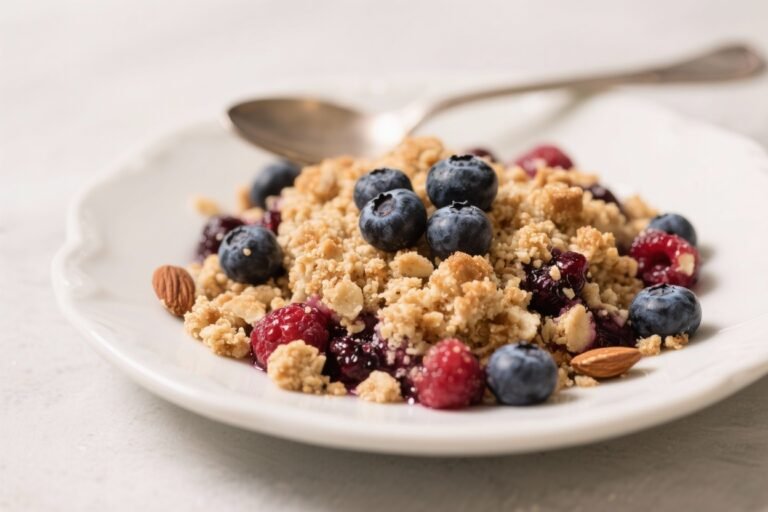
Almond Flour Protein Muffins – Easy, Soft, and Satisfying
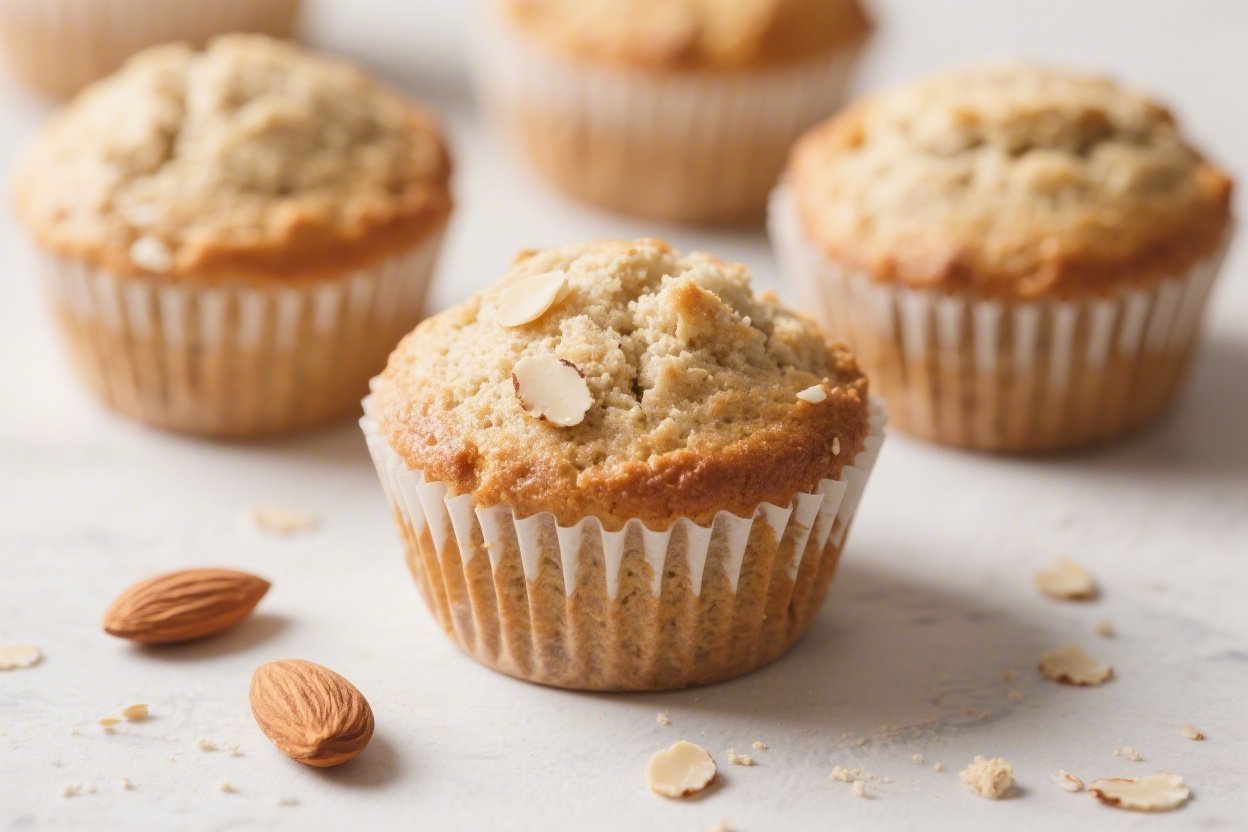
These almond flour protein muffins check a lot of boxes: they’re tender, naturally gluten-free, and actually filling. If you want a quick breakfast or snack that doesn’t leave you hungry an hour later, this recipe delivers. The texture is soft and cake-like, with a light nutty flavor and just enough sweetness.
Need More Easy Dinner Ideas?
Get my FREE 7-Day Easy Dinner Reset and enjoy a full week of healthy dinners without the meal-planning stress.
You can keep them simple or add chocolate chips, berries, or warm spices. They come together fast, freeze well, and taste great warm or at room temperature.
Ingredients
Method
- Prep your pan and oven. Heat the oven to 350°F (175°C). Line a 12-cup muffin tin with paper liners or lightly grease it.
- Mix dry ingredients. In a large bowl, whisk almond flour, protein powder, baking powder, baking soda, salt, and cinnamon until no lumps remain. Breaking up clumps now makes a smoother batter.
- Whisk wet ingredients. In a separate bowl, whisk eggs, yogurt, milk, maple syrup or honey, vanilla, and oil until smooth and creamy.
- Combine gently. Pour the wet mixture into the dry ingredients. Stir with a spatula just until combined. The batter should be thick but scoopable. If it seems pasty, add a splash more milk.
- Fold in add-ins. Gently stir in any mix-ins like chocolate chips or berries. If using frozen berries, fold them in straight from the freezer to prevent streaking.
- Fill the cups. Divide batter evenly among the muffin cups, filling each about 3/4 full. A large cookie scoop works well here.
- Bake. Place on the middle rack and bake for 18–22 minutes. Muffins are done when the tops spring back to a light touch and a toothpick comes out mostly clean with a few moist crumbs.
- Cool. Let muffins cool in the pan for 5 minutes, then transfer to a rack. This helps them set and prevents soggy bottoms.
- Taste and adjust. Try one warm. If you want a sweeter batch next time, add 1–2 tablespoons more maple syrup or a handful of mini chips.
What Makes This Special
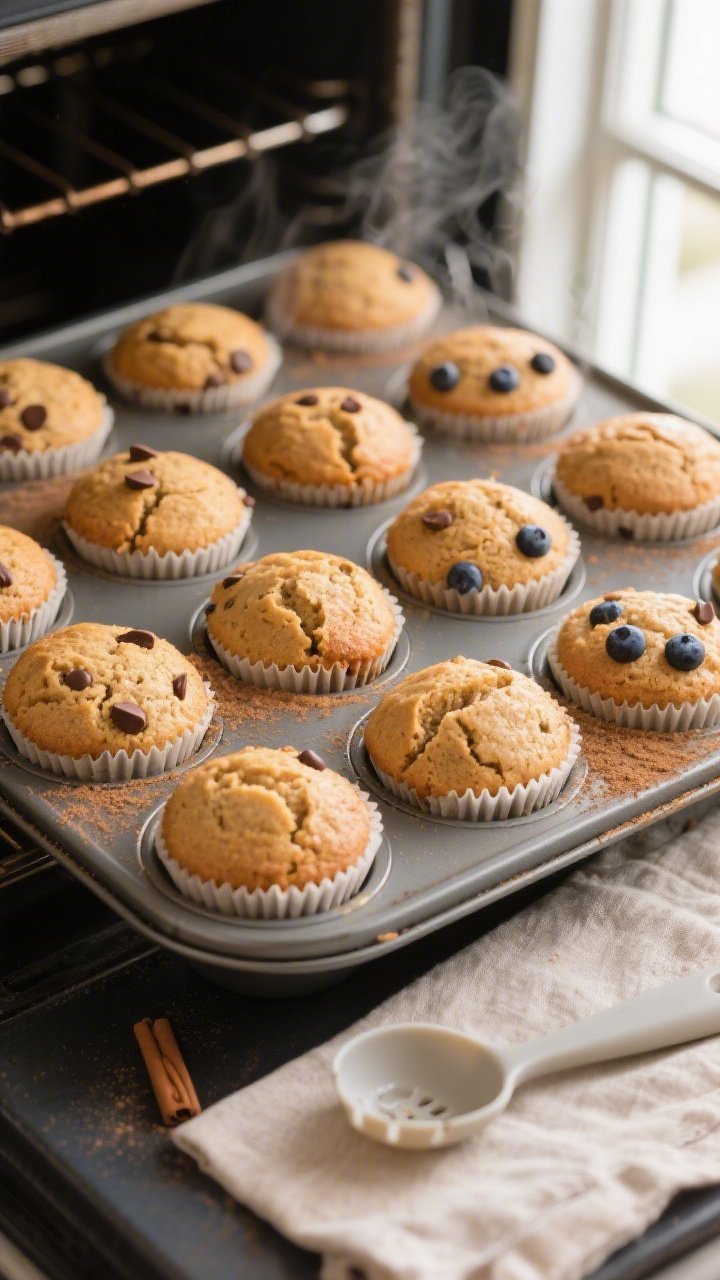
These muffins balance taste, texture, and nutrition without fuss. Almond flour keeps them moist and tender, while protein powder adds substance without drying them out.
A bit of yogurt and eggs creates a soft crumb that feels like a bakery-style muffin, not a dense protein puck. You’ll also get steady energy thanks to healthy fats from almonds and fiber from add-ins like flax or oats. Best of all, the batter mixes quickly in one bowl, so cleanup is easy.
What You’ll Need
- Almond flour (2 cups) – Use finely ground blanched almond flour, not almond meal, for a soft texture.
- Protein powder (1/2 cup) – Whey or plant-based.
Choose vanilla or unflavored for a neutral base.
- Baking powder (1 1/2 teaspoons) – Helps the muffins rise.
- Baking soda (1/2 teaspoon) – Works with the acid in yogurt or lemon to lift the batter.
- Fine sea salt (1/4 teaspoon) – Balances sweetness and enhances flavor.
- Ground cinnamon (1 teaspoon) – Optional, but adds warmth.
- Eggs (3 large) – Bind the batter and add richness.
- Greek yogurt (1/2 cup) – Plain, 2% or whole milk for best texture.
- Milk (1/4 to 1/3 cup) – Dairy or unsweetened almond milk to loosen the batter as needed.
- Maple syrup or honey (1/3 cup) – Natural sweetness and moisture.
- Vanilla extract (1 1/2 teaspoons) – Rounds out the flavor.
- Neutral oil or melted coconut oil (3 tablespoons) – Keeps muffins soft.
- Optional add-ins (about 3/4 to 1 cup total) – Mini chocolate chips, blueberries, chopped nuts, shredded coconut, or ground flaxseed (2 tablespoons) for extra fiber.
- Optional brightness – Zest of 1 lemon or orange.
Step-by-Step Instructions
- Prep your pan and oven. Heat the oven to 350°F (175°C). Line a 12-cup muffin tin with paper liners or lightly grease it.
- Mix dry ingredients. In a large bowl, whisk almond flour, protein powder, baking powder, baking soda, salt, and cinnamon until no lumps remain. Breaking up clumps now makes a smoother batter.
- Whisk wet ingredients. In a separate bowl, whisk eggs, yogurt, milk, maple syrup or honey, vanilla, and oil until smooth and creamy.
- Combine gently. Pour the wet mixture into the dry ingredients.
Stir with a spatula just until combined. The batter should be thick but scoopable. If it seems pasty, add a splash more milk.
- Fold in add-ins. Gently stir in any mix-ins like chocolate chips or berries.
If using frozen berries, fold them in straight from the freezer to prevent streaking.
- Fill the cups. Divide batter evenly among the muffin cups, filling each about 3/4 full. A large cookie scoop works well here.
- Bake. Place on the middle rack and bake for 18–22 minutes. Muffins are done when the tops spring back to a light touch and a toothpick comes out mostly clean with a few moist crumbs.
- Cool. Let muffins cool in the pan for 5 minutes, then transfer to a rack.
This helps them set and prevents soggy bottoms.
- Taste and adjust. Try one warm. If you want a sweeter batch next time, add 1–2 tablespoons more maple syrup or a handful of mini chips.
How to Store
- Room temperature: Keep in an airtight container for up to 2 days. Add a paper towel under the lid to absorb moisture.
- Refrigerator: Store up to 5 days.
Warm in the microwave for 10–15 seconds to soften.
- Freezer: Freeze on a sheet pan until solid, then move to a freezer bag for up to 3 months. Thaw at room temp or microwave in 20–30 second bursts.
- Meal prep tip: Wrap muffins individually for grab-and-go breakfasts.
Why This is Good for You
These muffins offer a balanced bite: protein for staying power, healthy fats from almonds for satiety, and fiber from almond flour and add-ins to support digestion. Compared with many bakery muffins, they’re lower in refined flour and can be lower in sugar, depending on your sweetener and mix-ins.
If you use a quality protein powder and Greek yogurt, you’ll get a satisfying macro profile without sacrificing taste. They also work well for gluten-free diets when you use certified gluten-free ingredients.
Pitfalls to Watch Out For
- Using almond meal instead of almond flour. Almond meal is coarser and can make the muffins gritty and heavy.
- Overmixing the batter. Stir until just combined. Overmixing can lead to dense, rubbery muffins—especially with protein powder.
- Too much protein powder. It can dry out the muffins.
Stick to the suggested amount unless you increase liquids and fat.
- Skipping liners or proper greasing. Almond flour sticks more than wheat flour. Liners or a good spray help.
- Baking at too high a temperature. Almond flour browns quickly. If your oven runs hot, reduce to 340°F (170°C) or tent with foil near the end.
- Adding wet mix-ins without adjusting. Very juicy berries or grated apple can add moisture.
If using lots, reduce milk slightly.
Variations You Can Try
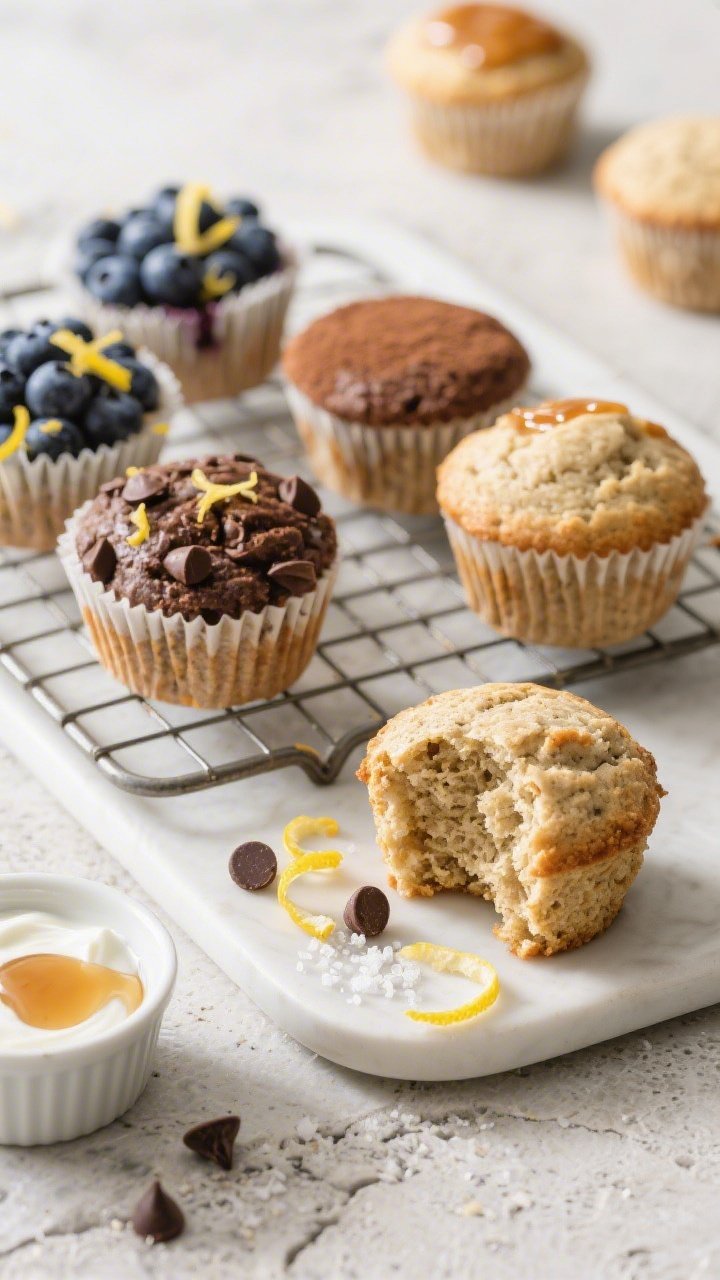
- Blueberry Lemon: Fold in 1 cup blueberries and lemon zest. Use vanilla protein.
- Chocolate Chip: Add 3/4 cup mini chocolate chips and a pinch of espresso powder. Swap 1 tablespoon of almond flour for cocoa for a chocolate base.
- Cinnamon Swirl: Mix 2 tablespoons coconut sugar with 1 teaspoon cinnamon.
Spoon half the batter into cups, sprinkle sugar mix, top with remaining batter, and lightly swirl.
- Banana Nut: Replace yogurt with 1/2 cup mashed ripe banana and reduce maple syrup by 1 tablespoon. Fold in chopped walnuts.
- Carrot Cake: Add 3/4 cup finely grated carrot, 1/4 cup raisins, and a pinch of nutmeg. Top with a light cream cheese drizzle if you like.
- Peanut Butter Cup: Swirl 2–3 tablespoons warmed peanut butter into the batter and add dark chocolate chunks.
- Low-Sugar: Use a zero-calorie sweetener compatible with baking and increase vanilla and cinnamon for flavor.
- Dairy-Free: Use coconut yogurt and plant-based milk, plus plant-based protein powder.
FAQ
Can I use almond meal instead of almond flour?
You can, but the texture will be coarser and denser.
For a soft, bakery-style crumb, stick with finely ground blanched almond flour.
Never Wonder What's For Dinner Again
Save time, eat healthier, and take the stress out of dinner. Get a full week of easy healthy dinners delivered straight to your inbox.
Which protein powder works best?
Whey isolate or a smooth plant-based blend (like pea with rice) works well. Avoid gritty powders or those with lots of gums. Vanilla or unflavored keeps the flavor balanced.
How do I make them sweeter without using more sugar?
Add vanilla extract, a bit more cinnamon, or a few stevia-sweetened chocolate chips.
A touch of orange or lemon zest also brightens perceived sweetness.
Why did my muffins sink in the middle?
Common causes include underbaking, too much liquid, or opening the oven door early. Bake until the centers spring back and resist peeking in the first 15 minutes.
Can I make these egg-free?
Yes, but the texture changes. Try 3 flax eggs (3 tablespoons ground flax + 9 tablespoons warm water) and add an extra 1–2 tablespoons oil.
Expect a slightly denser crumb.
Do I need both baking powder and baking soda?
Using both helps with rise and browning, especially since yogurt provides acid to activate the baking soda. Together they create a lighter texture.
What’s the best way to prevent dry muffins?
Measure almond flour with a light hand, don’t pack it. Use the full amount of yogurt and oil, and avoid overbaking.
If your protein powder is especially absorbent, add a splash more milk.
Can I make them mini?
Yes. Use a mini muffin pan and bake for about 10–12 minutes, checking early. They cook fast and can overbake if left too long.
How much protein is in each muffin?
It varies by brand and add-ins, but with 1/2 cup protein powder and Greek yogurt, most batches land around 8–12 grams per muffin when making 12 standard muffins.
Check your labels for a precise count.
Can I mix the batter ahead of time?
It’s better to bake right away. Leavening starts working once wet and dry ingredients meet. If you must, mix the dry and wet separately and combine just before baking.
Wrapping Up
These almond flour protein muffins are simple, adaptable, and reliably tasty.
They’re easy to prep on a Sunday and make weekday mornings smoother. Start with the base recipe, then tweak sweetness, spices, and mix-ins to fit your routine. With a tender crumb and solid nutrition, they’ll earn a permanent spot in your snack rotation.
Printable Recipe Card
Want just the essential recipe details without scrolling through the article? Get our printable recipe card with just the ingredients and instructions.
Loved This Recipe?
If you're looking for more simple, healthy dinners your family will actually eat, grab my FREE 7-Day Easy Dinner Reset. You'll get 7 easy dinner recipes, simple grocery lists, and a done-for-you plan that takes the stress out of mealtime.