Healthy Peach Pie – A Lighter Take on a Cozy Classic
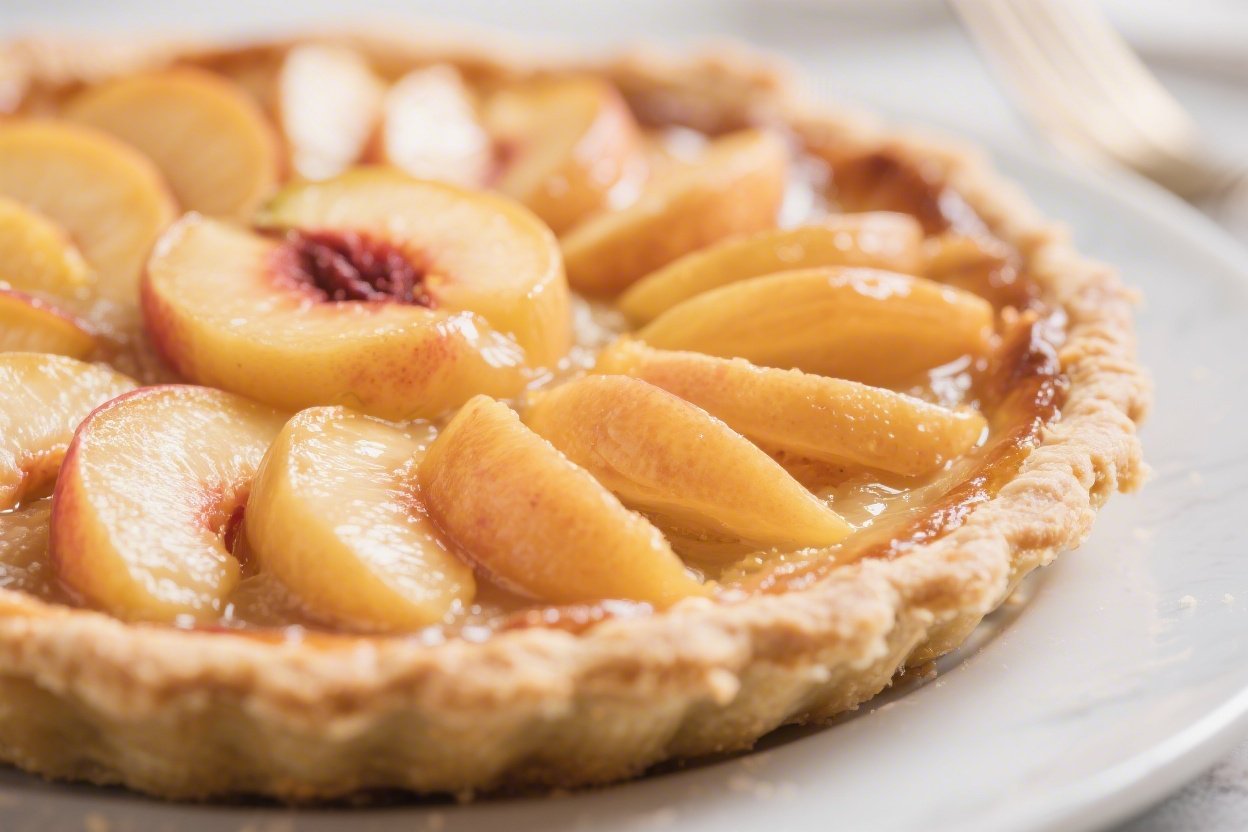
Sweet, juicy peaches and a warm, flaky crust are hard to resist. This healthy peach pie keeps all the comfort and flavor you love, with a few smart swaps to make it lighter. It’s simple enough for a weekday treat, yet special enough for a summer gathering.
Need More Easy Dinner Ideas?
Get my FREE 7-Day Easy Dinner Reset and enjoy a full week of healthy dinners without the meal-planning stress.
You’ll use ripe peaches, a touch of natural sweetener, and a whole-grain crust that actually tastes great. The result is a pie that’s bright, balanced, and satisfying without feeling heavy.
Ingredients
Method
- Make the crust. In a bowl, whisk the flour, salt, and optional sugar. Cut in the cold butter with a pastry cutter or your fingertips until the mixture looks like coarse crumbs with pea-sized bits. Add ice water, 1 tablespoon at a time, tossing until the dough just holds together when pressed.
- Chill the dough. Divide into two disks, wrap, and chill for at least 45 minutes. Cold dough is key to a tender, flaky crust.
- Prep the peaches. Peel and slice peaches 1/2-inch thick. If the peaches are very juicy, place slices in a colander for 10 minutes to reduce excess liquid.
- Mix the filling. In a large bowl, combine peaches, honey or maple, lemon juice, zest, arrowroot or cornstarch, cinnamon, optional spice, vanilla, and a pinch of salt. Gently toss to coat. Let sit 10 minutes so the starch hydrates.
- Heat the oven. Preheat to 400°F (200°C). Place a rack in the lower third. Set a baking sheet on the rack to preheat—this helps crisp the bottom crust.
- Roll the bottom crust. On a lightly floured surface, roll one dough disk into a 12-inch circle. Fit it into a 9-inch pie plate, letting the excess overhang. Keep it cold while you work.
- Fill the pie. Spoon the peach mixture into the crust, scraping in any juices. Mound slightly in the center.
- Top the pie. Roll the second disk and place over the peaches, or cut into strips for a lattice. Trim, fold, and crimp edges. Cut a few slits in a solid top for steam to escape.
- Brush and sprinkle. Brush the top with milk or beaten egg for sheen. Sprinkle with turbinado sugar if you’d like extra texture.
- Bake hot, then lower heat. Place the pie on the preheated baking sheet. Bake 20 minutes at 400°F. Reduce heat to 350°F (175°C) and bake 30–40 minutes more, until the crust is deeply golden and the filling bubbles in the center.
- Protect the edges. If the crust browns too fast, cover edges with a pie shield or foil during the last 20–25 minutes.
- Cool completely. Let the pie cool at least 3 hours. This sets the filling so slices hold together. Warm pie smells amazing, but patience pays off.
Why This Recipe Works
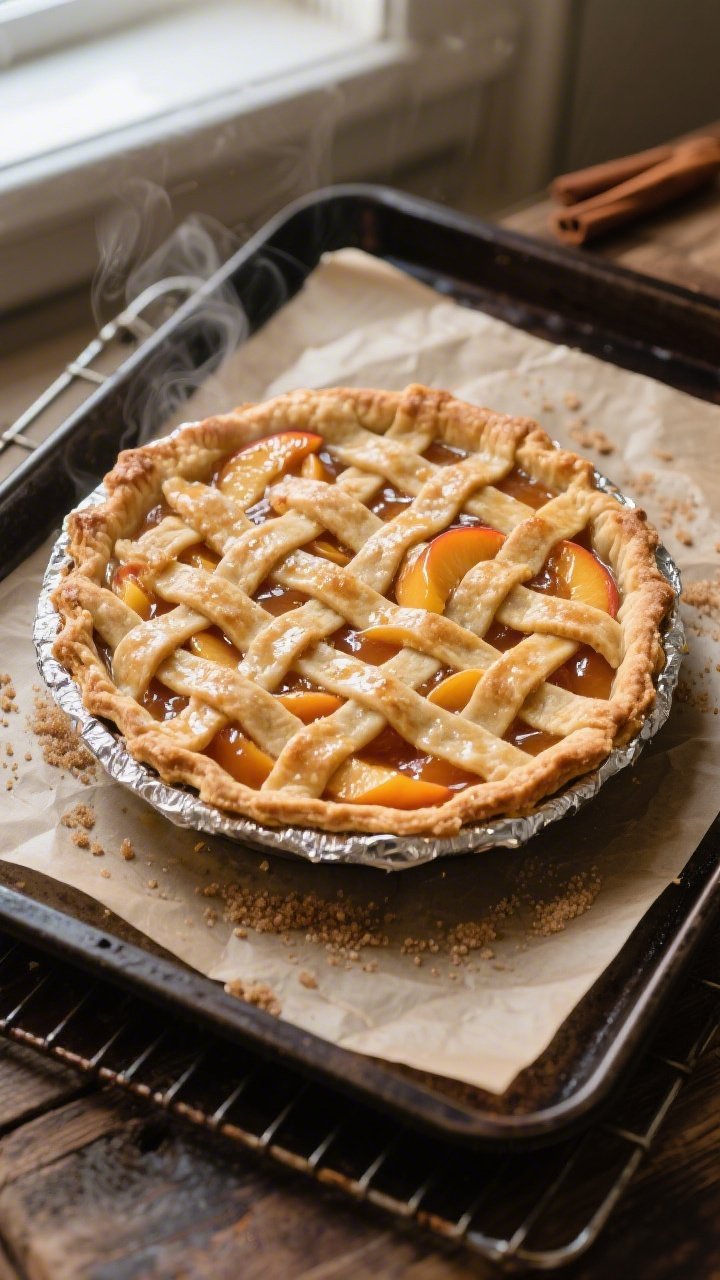
This pie leans on the natural sweetness of ripe peaches, so you use less added sugar while still getting a full, fruity flavor. The filling thickens with arrowroot or cornstarch, creating a glossy, sliceable texture without heaps of butter.
A whole-wheat pastry crust brings gentle nuttiness and extra fiber but remains tender when handled correctly. A hint of lemon balances the sweetness, and warm spices make the peaches shine. It’s a smarter approach that tastes like the classic—just lighter and fresher.
What You’ll Need
- Fresh peaches: 6–7 large ripe peaches (about 2 1/2–3 pounds), peeled and sliced
- Honey or maple syrup: 1/3–1/2 cup, depending on sweetness of peaches
- Lemon juice: 1 tablespoon, plus 1 teaspoon lemon zest
- Arrowroot powder or cornstarch: 3 tablespoons
- Ground cinnamon: 1 teaspoon
- Ground ginger or nutmeg (optional): 1/4 teaspoon
- Vanilla extract: 1 teaspoon
- Pinch of salt
- Whole-wheat pastry flour crust: Enough for a double crust or a crust plus lattice (homemade or store-bought).
For homemade:
- 2 cups whole-wheat pastry flour
- 1/2 teaspoon fine sea salt
- 1 tablespoon turbinado or cane sugar (optional)
- 10 tablespoons cold unsalted butter, cut into cubes
- 6–8 tablespoons ice water
- Milk or beaten egg: For brushing the crust
- Turbinado sugar: 1–2 teaspoons for sprinkling (optional)
Instructions
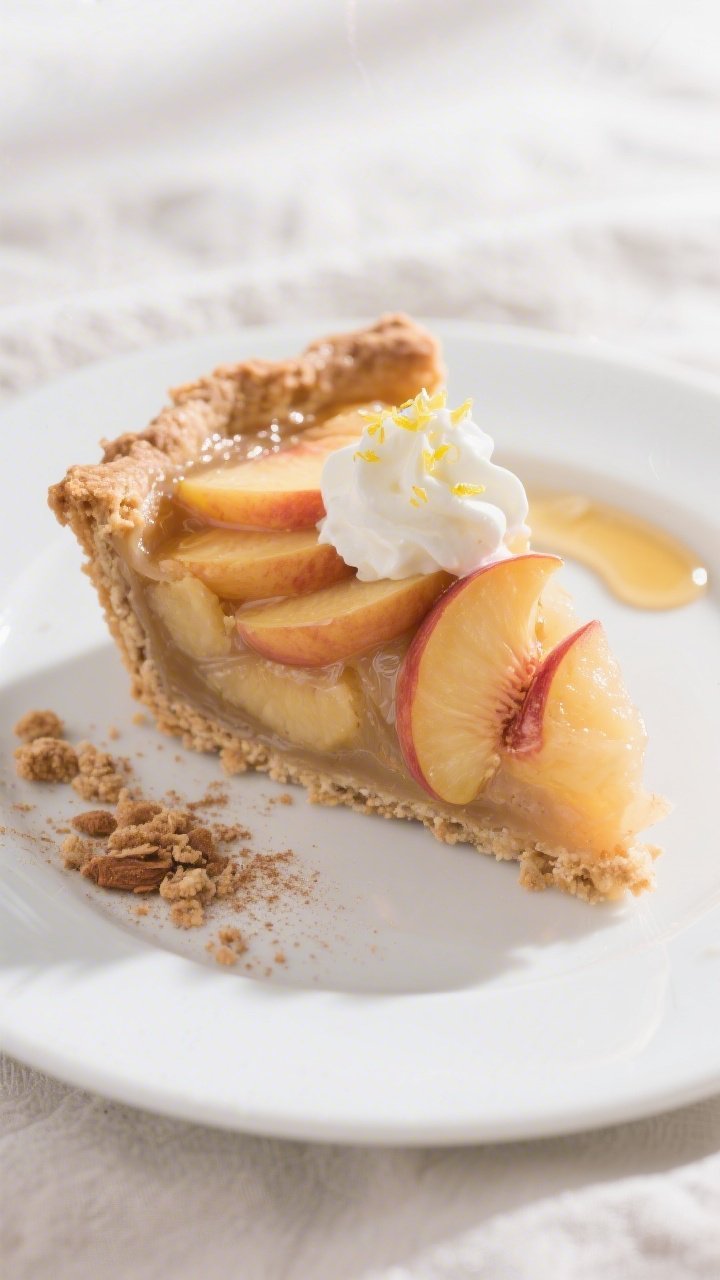
- Make the crust. In a bowl, whisk the flour, salt, and optional sugar. Cut in the cold butter with a pastry cutter or your fingertips until the mixture looks like coarse crumbs with pea-sized bits. Add ice water, 1 tablespoon at a time, tossing until the dough just holds together when pressed.
- Chill the dough. Divide into two disks, wrap, and chill for at least 45 minutes.
Cold dough is key to a tender, flaky crust.
- Prep the peaches. Peel and slice peaches 1/2-inch thick. If the peaches are very juicy, place slices in a colander for 10 minutes to reduce excess liquid.
- Mix the filling. In a large bowl, combine peaches, honey or maple, lemon juice, zest, arrowroot or cornstarch, cinnamon, optional spice, vanilla, and a pinch of salt. Gently toss to coat.
Let sit 10 minutes so the starch hydrates.
- Heat the oven. Preheat to 400°F (200°C). Place a rack in the lower third. Set a baking sheet on the rack to preheat—this helps crisp the bottom crust.
- Roll the bottom crust. On a lightly floured surface, roll one dough disk into a 12-inch circle.
Fit it into a 9-inch pie plate, letting the excess overhang. Keep it cold while you work.
- Fill the pie. Spoon the peach mixture into the crust, scraping in any juices. Mound slightly in the center.
- Top the pie. Roll the second disk and place over the peaches, or cut into strips for a lattice.
Trim, fold, and crimp edges. Cut a few slits in a solid top for steam to escape.
- Brush and sprinkle. Brush the top with milk or beaten egg for sheen. Sprinkle with turbinado sugar if you’d like extra texture.
- Bake hot, then lower heat. Place the pie on the preheated baking sheet.
Bake 20 minutes at 400°F. Reduce heat to 350°F (175°C) and bake 30–40 minutes more, until the crust is deeply golden and the filling bubbles in the center.
- Protect the edges. If the crust browns too fast, cover edges with a pie shield or foil during the last 20–25 minutes.
- Cool completely. Let the pie cool at least 3 hours. This sets the filling so slices hold together.
Warm pie smells amazing, but patience pays off.
Keeping It Fresh
Once cooled, cover the pie loosely and keep it at room temperature for up to 24 hours. After that, refrigerate slices in an airtight container for 3–4 days. Rewarm in a 300°F (150°C) oven for 10–12 minutes to revive the crust.
You can also freeze the baked pie: wrap tightly and freeze for up to 2 months. Thaw overnight in the fridge and re-crisp in the oven before serving.
Benefits of This Recipe
- Lower added sugar: Natural sweeteners and ripe peaches keep sweetness balanced without a sugar bomb.
- Fiber boost: Whole-wheat pastry flour adds fiber and gentle nuttiness while staying tender.
- Better fats: Less overall fat than many pies, and you can control the quality of the butter.
- Real fruit focus: Fresh peaches bring vitamins A and C, plus antioxidants and hydration.
What Not to Do
- Don’t skip cooling time. Cutting too soon leads to a runny filling and collapsed slices.
- Don’t use hard, under-ripe peaches. They won’t release enough juice or flavor. Slightly soft is best.
- Don’t overwork the dough. Overmixing makes a tough crust.
Stop as soon as it comes together.
- Don’t forget ventilation. No slits or lattice means trapped steam and a soggy crust.
- Don’t drown it in sweetener. Taste your peaches first and adjust the honey or maple to match.
Never Wonder What's For Dinner Again
Save time, eat healthier, and take the stress out of dinner. Get a full week of easy healthy dinners delivered straight to your inbox.
Variations You Can Try
- Almond twist: Add 1/2 teaspoon almond extract to the filling and sprinkle sliced almonds on top in the last 10 minutes of baking.
- Oat crumble top: Skip the top crust and use a lighter crumble: oats, a little whole-wheat flour, cinnamon, a touch of brown sugar or maple, and 2–3 tablespoons butter.
- Gluten-free option: Use a reliable gluten-free pie crust or a nut-and-oat press-in crust. Thicken with cornstarch instead of flour.
- No-butter crust: Try a coconut oil crust for a dairy-free version. Keep the oil very cold and firm for best flakes.
- Spice swap: Use cardamom instead of cinnamon for a bright, floral note.
- Peach-berry blend: Swap 1–2 cups peaches for blueberries or raspberries for tart pops of color.
FAQ
Do I need to peel the peaches?
You don’t have to, but peeled peaches make a smoother filling and cleaner slices.
If you keep the skins, the texture will be slightly rustic, which some people love. To peel quickly, blanch peaches in boiling water for 30 seconds, then slip off the skins.
Can I use frozen peaches?
Yes. Thaw, drain well, and pat dry before mixing.
You may need an extra 1/2 to 1 tablespoon of arrowroot or cornstarch to handle the extra moisture.
How do I prevent a soggy bottom crust?
Preheating the baking sheet helps a lot. You can also brush the bottom crust with a thin layer of beaten egg white or a dusting of finely ground almonds before adding the filling. Baking on the lower rack encourages thorough browning.
What’s the best way to cut clean slices?
Let the pie cool completely, at least 3 hours.
Use a sharp, thin knife and wipe it between cuts. If you want warm slices, cut them first, then warm briefly in the oven.
Can I reduce the sweetener even more?
Absolutely. If your peaches are super sweet, start with 1/3 cup honey or maple and add to taste.
A pinch more lemon juice can help balance if you go lighter on sweetener.
Is whole-wheat pastry flour essential?
It’s recommended because it’s milled finer and bakes more tender than regular whole wheat. If you can’t find it, use half all-purpose and half regular whole wheat to keep the crust from turning dense.
Final Thoughts
Healthy peach pie should still taste like pie—juicy, cozy, and celebratory. With ripe fruit, a light hand on sweetener, and a tender whole-grain crust, you get the best of both worlds.
Serve it as is, or with a small scoop of vanilla yogurt or lightly sweetened whipped cream. It’s a feel-good dessert that fits everyday life, yet still feels like a treat worth sharing.
Printable Recipe Card
Want just the essential recipe details without scrolling through the article? Get our printable recipe card with just the ingredients and instructions.
Loved This Recipe?
If you're looking for more simple, healthy dinners your family will actually eat, grab my FREE 7-Day Easy Dinner Reset. You'll get 7 easy dinner recipes, simple grocery lists, and a done-for-you plan that takes the stress out of mealtime.