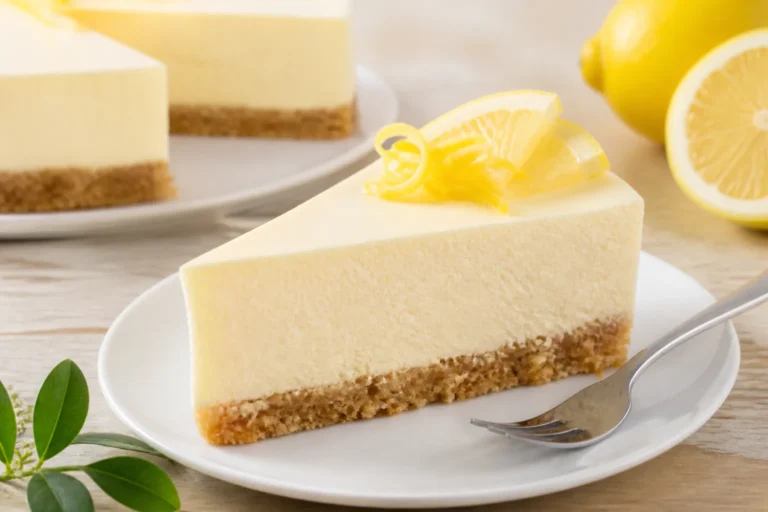
Creamy Lemon Cottage Cheese Cheesecake – Bright, Light, and Luscious
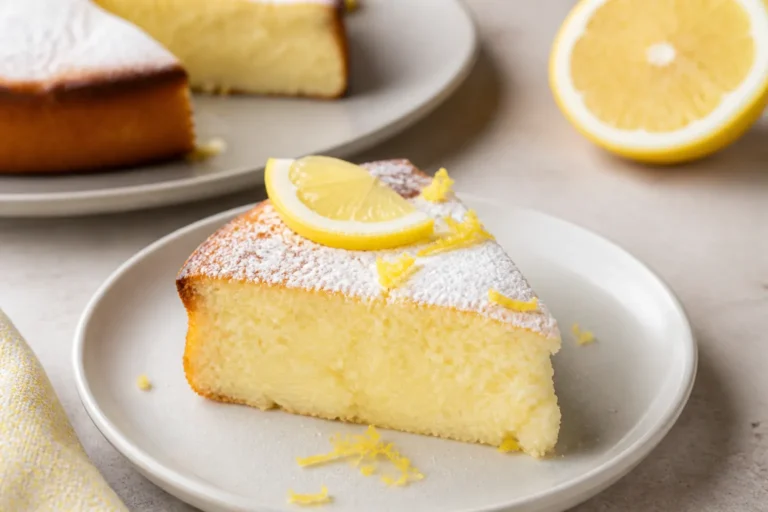
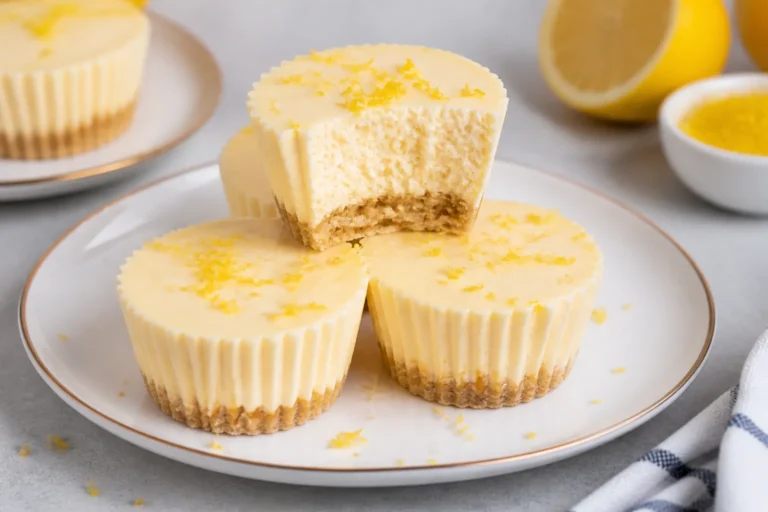
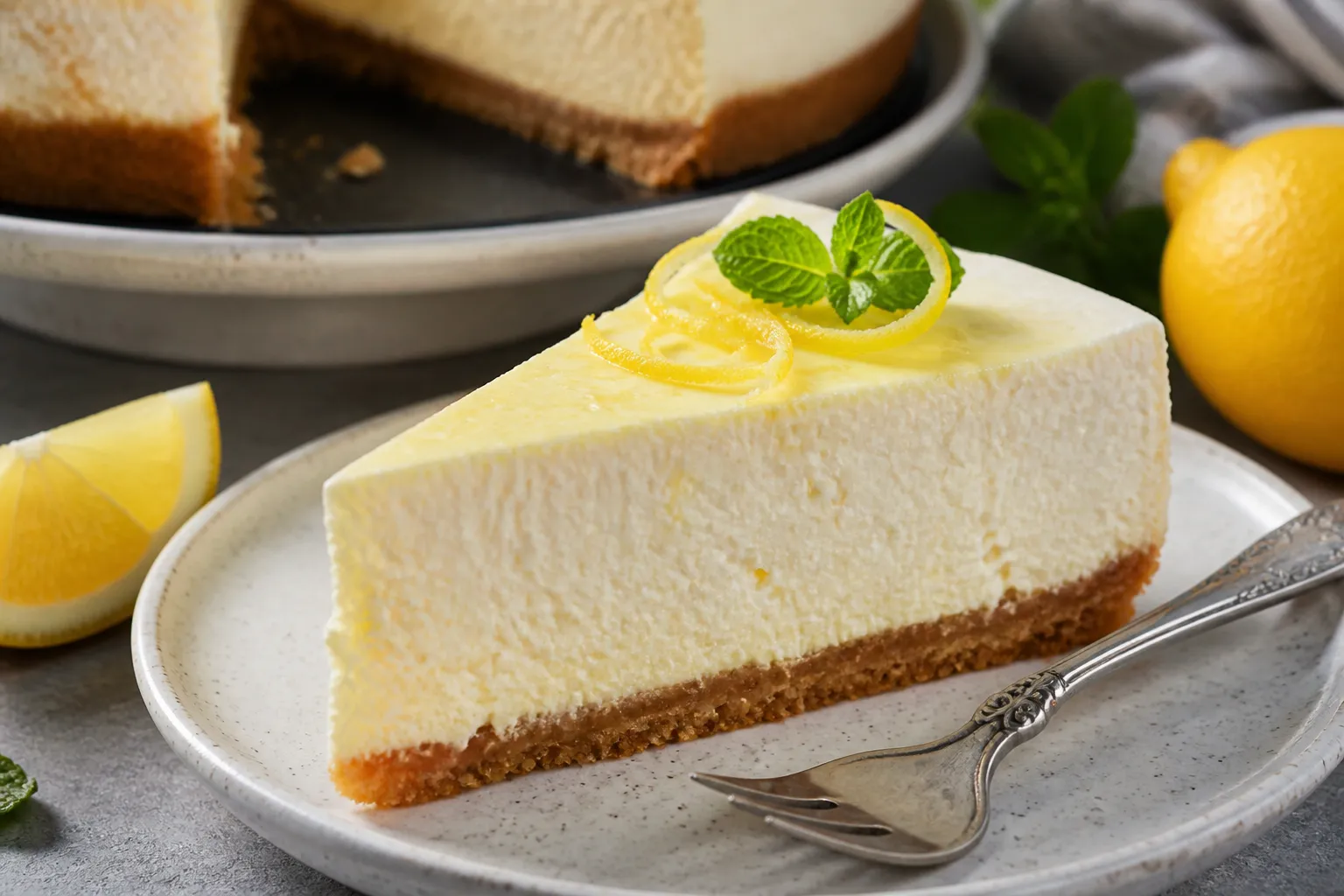
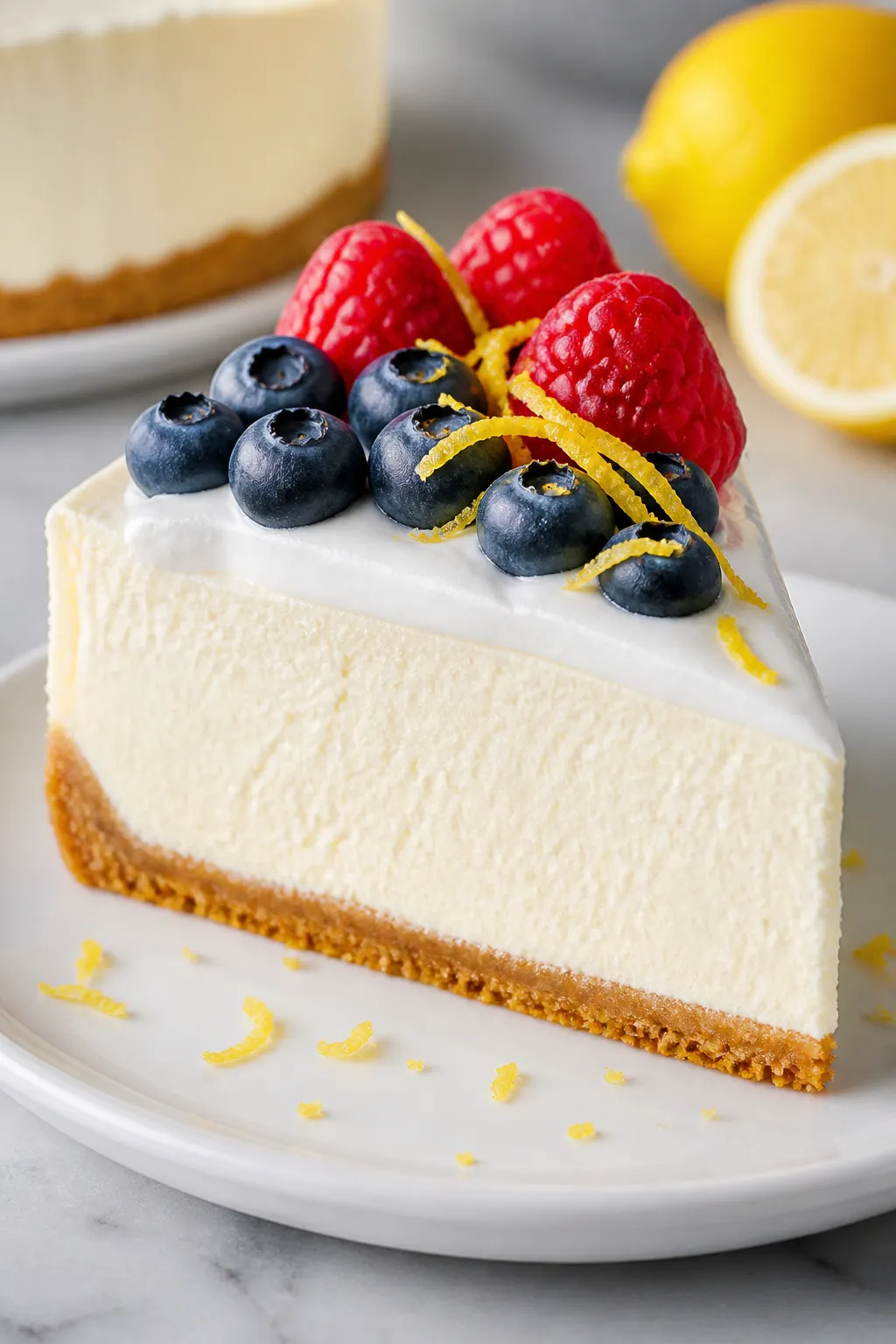
This cheesecake keeps things simple and sunny. It’s tangy with fresh lemon, creamy from blended cottage cheese, and just sweet enough to feel like a treat. The texture lands somewhere between classic New York–style and a silky mousse, thanks to a smart mix of cottage cheese and cream cheese.
Need More Easy Dinner Ideas?
Get my FREE 7-Day Easy Dinner Reset and enjoy a full week of healthy dinners without the meal-planning stress.
If you’ve been curious about baking with cottage cheese, this is the recipe that’ll win you over. It’s easy, reliable, and perfect for any time you want a lighter take on cheesecake without losing the comfort you love.
Ingredients
Method
- Prep the pan and oven: Heat the oven to 325°F (165°C). Lightly grease a 9-inch springform pan. For extra insurance, line the bottom with parchment.
- Make the crust: Stir graham crumbs, sugar, salt, and melted butter until evenly moistened. Press firmly into the bottom and slightly up the sides of the pan. Use the bottom of a measuring cup for a compact, even layer.
- Par-bake the crust: Bake for 8–10 minutes until just set and fragrant. Cool on a rack while you make the filling.
- Blend the cottage cheese: Add cottage cheese to a blender or food processor. Blend until completely smooth and glossy, 60–90 seconds. Scrape down the sides to catch any curds. This step is key to a creamy texture.
- Cream the cheeses: In a large bowl, beat softened cream cheese with sugar on medium speed until smooth, 1–2 minutes. Avoid whipping too much air into the mixture.
- Combine: Beat in the pureed cottage cheese, lemon zest, lemon juice, vanilla, salt, and cornstarch until just smooth. Stop and scrape the bowl as needed.
- Add the eggs: Beat in the eggs one at a time on low speed, just until incorporated. Overmixing leads to cracks, so keep it gentle.
- Fill and smooth: Pour the batter into the cooled crust. Tap the pan a few times on the counter to release air bubbles. Smooth the top with a spatula.
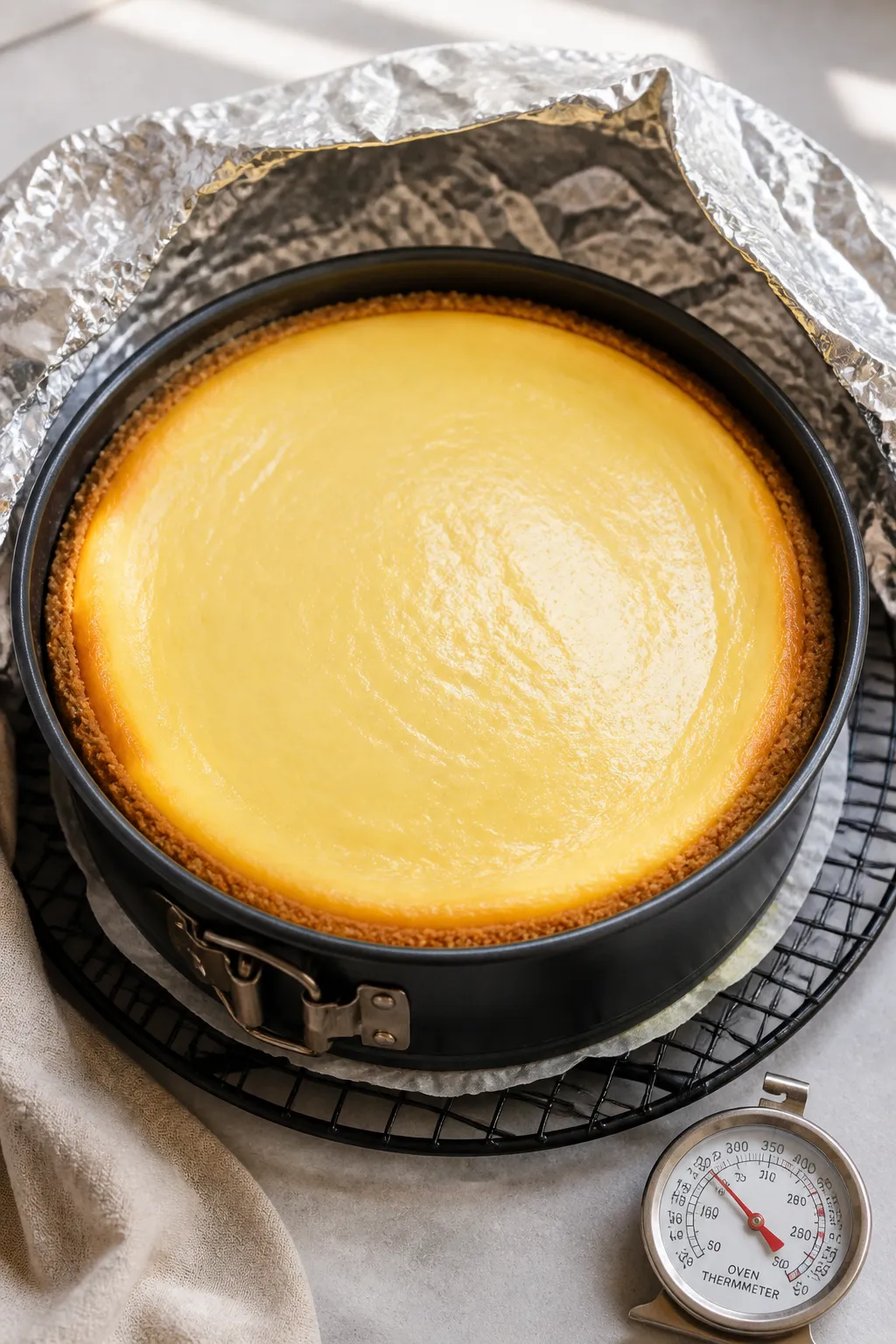
- Bake low and slow: Bake at 325°F for 45–60 minutes. The edges should be set and the center should have a slight wobble, like set Jell-O. If the top is browning too quickly, tent loosely with foil.
- Cool gradually: Turn off the oven, crack the door, and let the cheesecake rest inside for 30 minutes. Then move it to a cooling rack until room temperature.
- Chill to set: Cover and chill at least 6 hours, preferably overnight. This step firms the texture and deepens the lemon flavor.
- Serve: Run a thin knife around the edge before unlatching the pan. Top with sour cream or yogurt and berries if you like. Slice with a hot, dry knife for clean edges.
What Makes This Recipe So Good
- Light but creamy: Blending cottage cheese gives you a smooth, rich filling with less heaviness than a traditional all–cream cheese cheesecake.
- Zesty lemon flavor: Fresh zest and juice brighten every bite without overpowering the cheesecake vibe.
- No water bath needed: A low-and-slow bake keeps cracking in check and makes this beginner-friendly.
- Fewer ingredients, big payoff: You probably have most of what you need already.
- Great make-ahead dessert: It tastes even better the next day after it chills and sets.
What You’ll Need
- For the crust:
- 1 1/2 cups (about 150 g) graham cracker crumbs
- 1/4 cup granulated sugar
- 6 tablespoons unsalted butter, melted
- Pinch of salt
- For the filling:
- 16 ounces (450 g) full-fat cottage cheese
- 8 ounces (225 g) cream cheese, softened
- 3/4 cup granulated sugar
- 3 large eggs, room temperature
- 2 tablespoons cornstarch (or 3 tablespoons all-purpose flour)
- 1/4 cup freshly squeezed lemon juice (about 2 lemons)
- 2–3 teaspoons lemon zest, finely grated
- 1 teaspoon vanilla extract
- 1/4 teaspoon fine salt
- Optional toppings:
- Lightly sweetened sour cream or Greek yogurt
- Fresh berries
- Thin lemon slices or extra zest
- Equipment:
- 9-inch springform pan
- Food processor or blender (for the cottage cheese)
- Electric mixer (hand or stand)
- Cooling rack
How to Make It
- Prep the pan and oven: Heat the oven to 325°F (165°C). Lightly grease a 9-inch springform pan.
For extra insurance, line the bottom with parchment.
- Make the crust: Stir graham crumbs, sugar, salt, and melted butter until evenly moistened. Press firmly into the bottom and slightly up the sides of the pan. Use the bottom of a measuring cup for a compact, even layer.
- Par-bake the crust: Bake for 8–10 minutes until just set and fragrant.
Cool on a rack while you make the filling.
- Blend the cottage cheese: Add cottage cheese to a blender or food processor. Blend until completely smooth and glossy, 60–90 seconds. Scrape down the sides to catch any curds.
This step is key to a creamy texture.
- Cream the cheeses: In a large bowl, beat softened cream cheese with sugar on medium speed until smooth, 1–2 minutes. Avoid whipping too much air into the mixture.
- Combine: Beat in the pureed cottage cheese, lemon zest, lemon juice, vanilla, salt, and cornstarch until just smooth. Stop and scrape the bowl as needed.
- Add the eggs: Beat in the eggs one at a time on low speed, just until incorporated.
Overmixing leads to cracks, so keep it gentle.
- Fill and smooth: Pour the batter into the cooled crust. Tap the pan a few times on the counter to release air bubbles. Smooth the top with a spatula.
- Bake low and slow: Bake at 325°F for 45–60 minutes.
The edges should be set and the center should have a slight wobble, like set Jell-O. If the top is browning too quickly, tent loosely with foil.
- Cool gradually: Turn off the oven, crack the door, and let the cheesecake rest inside for 30 minutes. Then move it to a cooling rack until room temperature.
- Chill to set: Cover and chill at least 6 hours, preferably overnight.
This step firms the texture and deepens the lemon flavor.
- Serve: Run a thin knife around the edge before unlatching the pan. Top with sour cream or yogurt and berries if you like. Slice with a hot, dry knife for clean edges.
How to Store
- Refrigerate: Keep covered in the fridge for up to 5 days.
A cake keeper or an inverted bowl works well to prevent drying.
- Freeze: Chill fully, then wrap slices individually in plastic and foil. Freeze up to 2 months. Thaw overnight in the fridge.
- Make ahead: This dessert is best the next day.
Plan to bake it at least 24 hours before serving.
Why This is Good for You
This cheesecake leans on cottage cheese for extra protein and a bit less saturated fat than an all–cream cheese base. The lemon adds brightness and a dose of vitamin C. Because the flavor is naturally tangy, you can use less sugar without the dessert tasting flat.
Portion for satisfaction, not restriction, and you’ll get a sweet finish that feels balanced and nourishing.
Common Mistakes to Avoid
- Skipping the cottage cheese blend: If you don’t puree it smooth, you’ll see curds in the final texture. Blend until it’s completely silky.
- Overmixing the batter: Too much air causes cracks. Mix on low and stop as soon as ingredients are combined.
- Baking until fully set: Cheesecake should wobble in the center when you pull it.
If you wait for it to be firm, it’ll be dry once chilled.
- Rushing the cool-down: Sudden temperature changes cause cracks. Let it rest in the oven, then cool on the counter before chilling.
- Warm ingredients ignored: Cold cream cheese clumps. Let dairy and eggs come to room temperature for a smooth batter.
- Thin crust packing: If the crust isn’t firmly pressed, it will crumble.
Pack it tight for clean slices.
Variations You Can Try
- Almond-lemon crust: Swap 1/2 cup of the graham crumbs for finely ground almonds. Add a drop of almond extract to the filling.
- Honey lemon: Replace half the sugar with mild honey. The floral notes pair beautifully with lemon.
- Greek yogurt swirl: Dollop sweetened Greek yogurt on top of the batter and lightly swirl with a knife before baking.
- Blueberry burst: Scatter 1 cup fresh blueberries over the crust before pouring in the filling.
Bake as directed.
- Gluten-free: Use gluten-free graham crackers and cornstarch instead of flour.
- Meyer lemon upgrade: Use Meyer lemons for a softer, slightly sweet citrus profile.
Never Wonder What's For Dinner Again
Save time, eat healthier, and take the stress out of dinner. Get a full week of easy healthy dinners delivered straight to your inbox.
FAQ
Can I use low-fat cottage cheese?
Yes, but choose a brand that blends very smooth and avoid nonfat. Low-fat will still be creamy once pureed, though the texture may be a touch lighter and less rich.
Do I need a water bath?
No. This recipe is designed to bake gently at 325°F without a water bath.
The gradual cool-down helps prevent cracks. If you love the ultra-satin texture of a water bath, you can use one, but it’s not essential here.
How do I know it’s done?
Look for set edges and a center that jiggles slightly when you nudge the pan. If the middle sloshes, keep baking and check every 5 minutes.
Internal temperature should be around 150–155°F if you use a quick-read thermometer.
Can I make this without a springform pan?
Yes. Use a deep 9-inch cake pan lined with a parchment sling for lifting. You can also bake it in an 8×8-inch square pan and cut bars.
Adjust baking time slightly and start checking early.
What if my cheesecake cracks?
It’s still delicious. Cover with a thin layer of sweetened sour cream or yogurt, or add berries and lemon zest. Next time, check mixing and cooling steps to reduce air and temperature shocks.
Can I reduce the sugar?
Yes.
You can drop the filling sugar to 1/2 cup without losing balance, especially if your lemons are mild. Taste the batter after adding lemon (before eggs) and adjust to preference.
How do I get super clean slices?
Use a long, sharp knife dipped in hot water and wiped dry between cuts. Chilling the cake overnight is also essential for tidy edges.
Is the lemon flavor strong?
It’s bright but not sour.
For extra pop, add more zest, not more juice. Zest brings big lemon aroma without thinning the batter.
Final Thoughts
This Creamy Lemon Cottage Cheese Cheesecake keeps all the joy of classic cheesecake while feeling lighter and fresher. The method is simple, the ingredients are familiar, and the flavor is sunny and comforting.
Make it a day ahead, crown it with berries, and enjoy a dessert that feels special without being fussy. Once you try the cottage cheese trick, you might never go back.
Printable Recipe Card
Want just the essential recipe details without scrolling through the article? Get our printable recipe card with just the ingredients and instructions.
Loved This Recipe?
If you're looking for more simple, healthy dinners your family will actually eat, grab my FREE 7-Day Easy Dinner Reset. You'll get 7 easy dinner recipes, simple grocery lists, and a done-for-you plan that takes the stress out of mealtime.