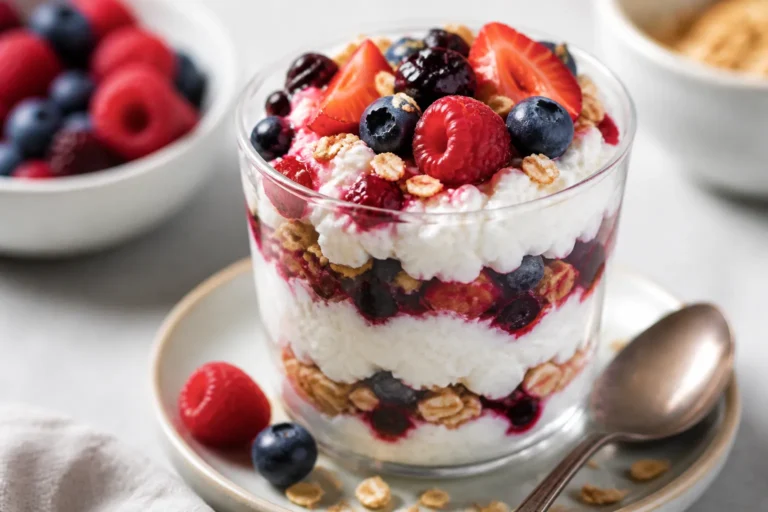
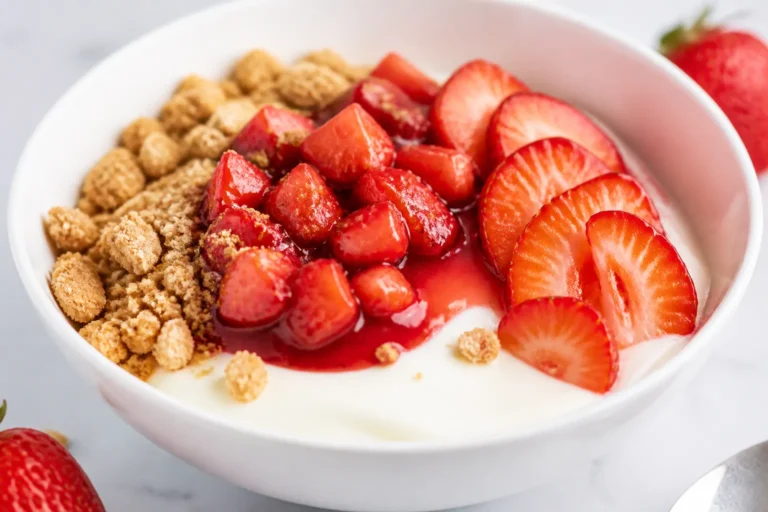
Greek Yogurt Protein Cheesecake Cups – Small, Creamy, and High-Protein Treats
These cheesecake cups taste like dessert but act like a smart snack. They’re creamy, lightly sweet, and surprisingly satisfying thanks to the boost of protein from Greek yogurt. You bake them in a muffin tin, so portion control is built in, and they chill into a smooth, velvety texture.
Need More Easy Dinner Ideas?
Get my FREE 7-Day Easy Dinner Reset and enjoy a full week of healthy dinners without the meal-planning stress.
They’re weeknight-friendly, make-ahead friendly, and lunchbox friendly. If you love the flavor of cheesecake but want something lighter, this is the sweet spot.
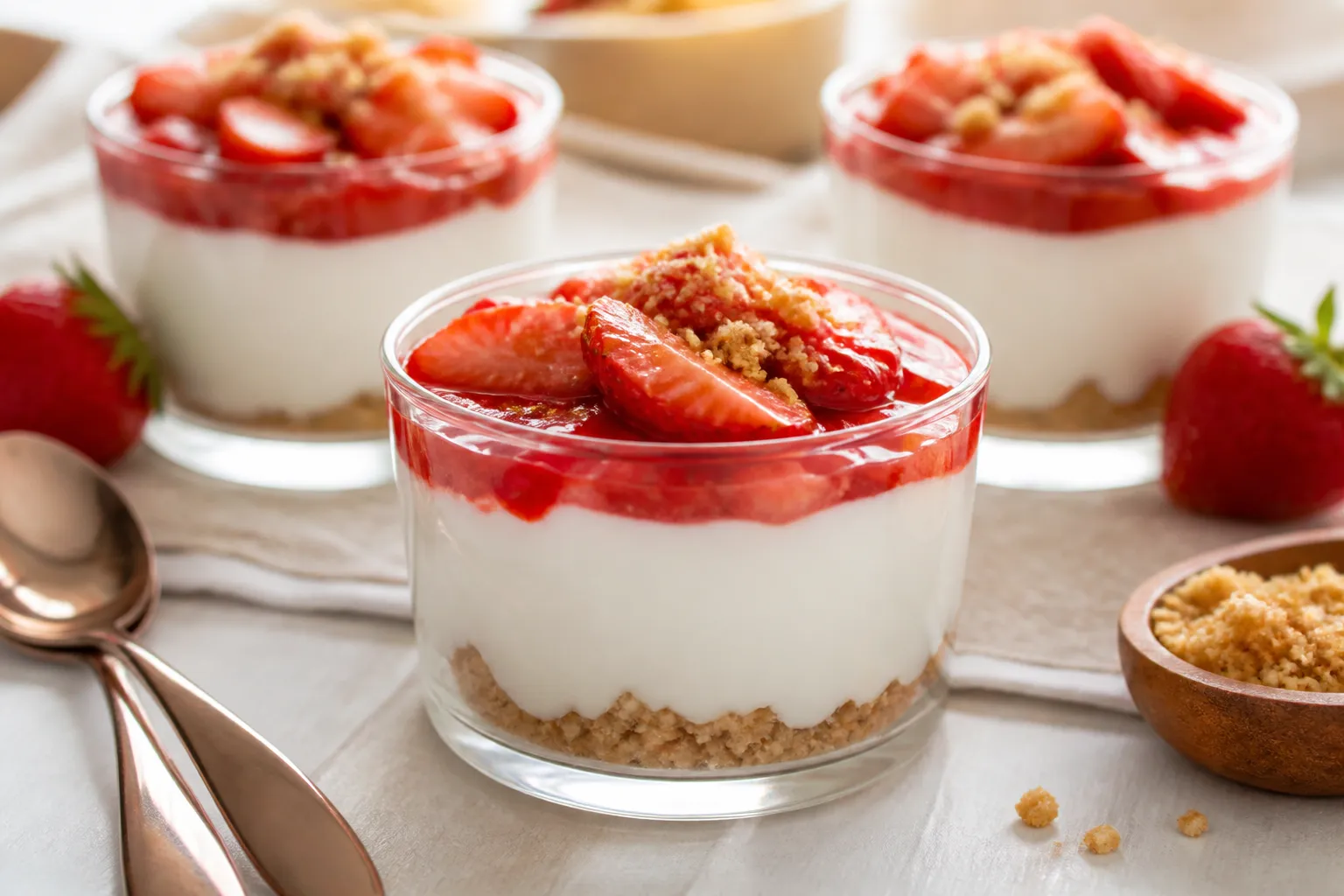
Greek Yogurt Protein Cheesecake Cups - Small, Creamy, and High-Protein Treats
Ingredients
Method
- Prep the pan: Line a 12-cup muffin tin with paper liners. Lightly mist the liners with cooking spray so the cups release cleanly.
- Heat the oven: Preheat to 325°F (163°C). A moderate oven helps prevent cracks and rubbery texture.
- Make the crust (optional): Stir graham crumbs, melted butter, sugar, and a pinch of salt until sandy and moist. Divide about 1 tablespoon per liner. Press down firmly with the bottom of a small glass.
- Par-bake crust: Bake crusts for 5–6 minutes until lightly set. Let cool while you mix the filling.
- Soften the cream cheese: Beat light cream cheese with a hand mixer on medium until smooth and fluffy, about 1–2 minutes. Scrape the bowl.
- Add yogurt and vanilla: Mix in Greek yogurt and vanilla until silky. Keep the mixer on low to avoid whipping in too much air.
- Sweeten and thicken: Add sugar or sweetener, protein powder, cornstarch, lemon juice, and salt. Blend just until smooth. Taste and adjust sweetness.
- Add the eggs: Beat in eggs one at a time on low speed, stopping once combined. Overmixing can cause cracks.
- Fill the cups: Divide the batter evenly among the liners, filling each about 3/4 full.
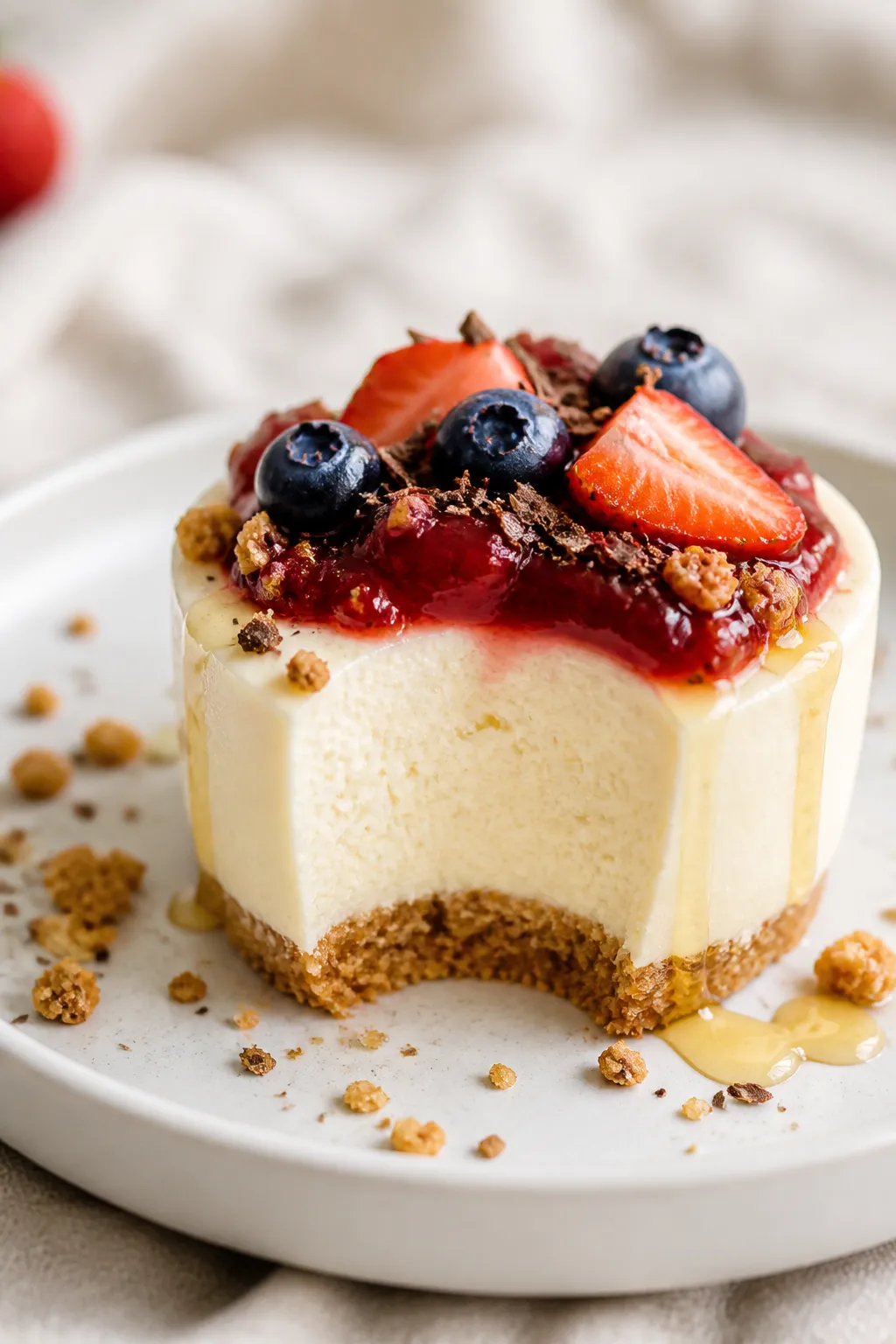
- Bake gently: Bake 15–18 minutes. The centers should look slightly wobbly but not liquid. They will set as they cool.
- Cool slowly: Turn off the oven, crack the door, and let the cheesecakes sit for 10 minutes. Then move the pan to a rack and cool to room temperature.
- Chill to set: Cover and refrigerate at least 3 hours, preferably overnight. Add toppings just before serving.
What Makes This Special
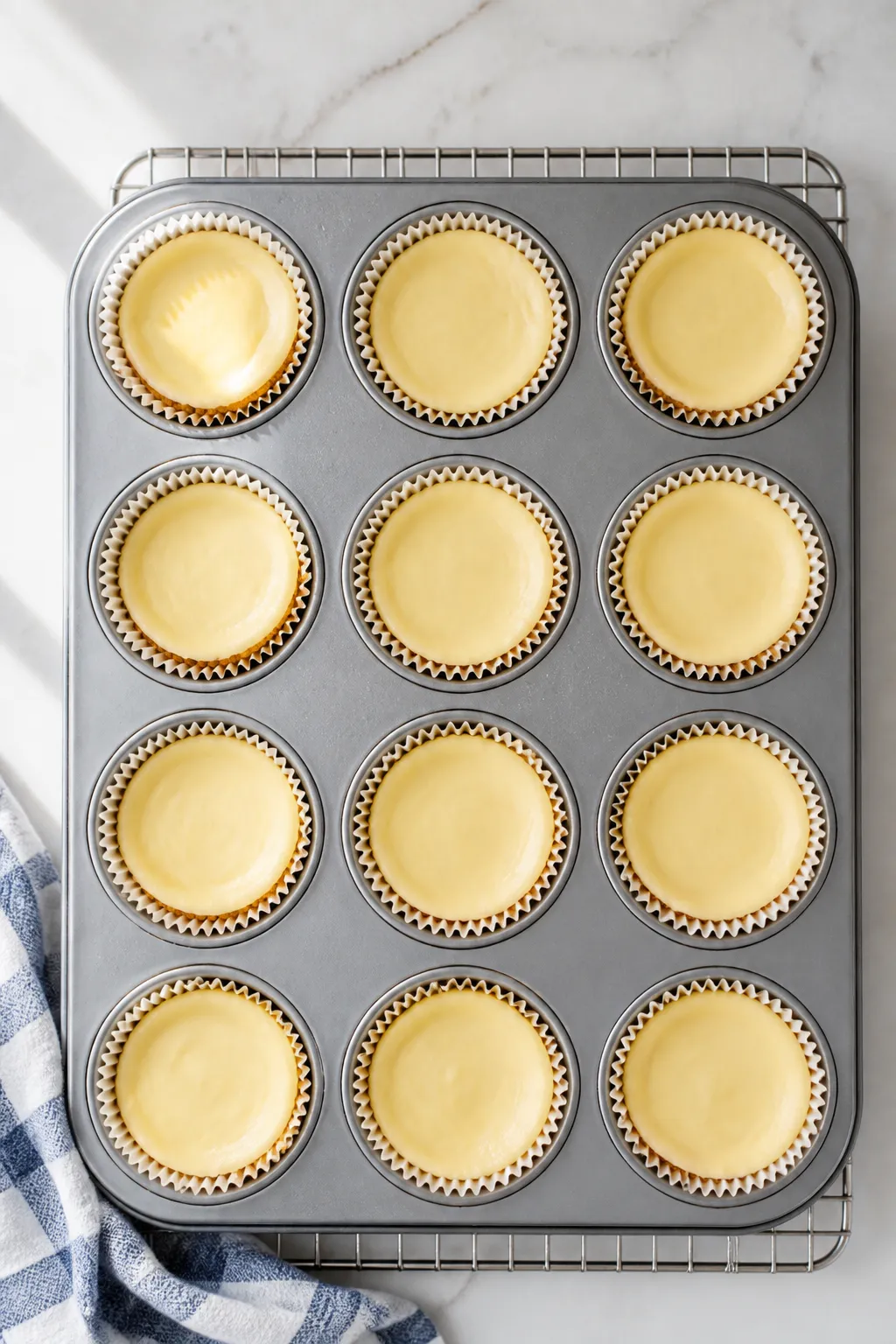
These cheesecake cups get their body from Greek yogurt, not heavy cream. That swap keeps things light while still delivering the classic tang and creaminess you want.
Using a touch of cream cheese rounds out the flavor, so they taste like the real deal. They bake quickly, chill well, and feel like a treat without the sugar crash. Plus, you can change the flavor with simple mix-ins and toppings.
- Higher protein, fewer heavy ingredients: Greek yogurt adds protein and creaminess without being heavy.
- Easy portioning: Muffin-size cups make serving and storing simple.
- Flexible flavors: Add lemon, cocoa, berries, or spices.
- Make-ahead friendly: They set in the fridge and hold well for days.
Shopping List
- Crust (optional but recommended):
- 1 cup graham cracker crumbs (or oat cookie crumbs)
- 2 tablespoons melted butter or coconut oil
- 1 tablespoon sugar or a zero-calorie sweetener
- Pinch of salt
- Filling:
- 12 ounces (340 g) plain nonfat or 2% Greek yogurt
- 8 ounces (225 g) light cream cheese, softened
- 2 large eggs, room temperature
- 1/3 to 1/2 cup granulated sugar or sweetener of choice
- 1 scoop (25–30 g) vanilla or unflavored whey/casein protein powder
- 1 teaspoon pure vanilla extract
- 1 tablespoon cornstarch or 2 teaspoons arrowroot (helps set)
- 1 tablespoon lemon juice (optional, for brightness)
- Pinch of salt
- Toppings (optional):
- Fresh berries or sliced fruit
- A spoonful of jam or fruit compote
- Shaved dark chocolate or mini chips
- Crushed nuts or granola dust
- Honey or maple drizzle
How to Make It
- Prep the pan: Line a 12-cup muffin tin with paper liners.
Lightly mist the liners with cooking spray so the cups release cleanly.
- Heat the oven: Preheat to 325°F (163°C). A moderate oven helps prevent cracks and rubbery texture.
- Make the crust (optional): Stir graham crumbs, melted butter, sugar, and a pinch of salt until sandy and moist. Divide about 1 tablespoon per liner.
Press down firmly with the bottom of a small glass.
- Par-bake crust: Bake crusts for 5–6 minutes until lightly set. Let cool while you mix the filling.
- Soften the cream cheese: Beat light cream cheese with a hand mixer on medium until smooth and fluffy, about 1–2 minutes. Scrape the bowl.
- Add yogurt and vanilla: Mix in Greek yogurt and vanilla until silky.
Keep the mixer on low to avoid whipping in too much air.
- Sweeten and thicken: Add sugar or sweetener, protein powder, cornstarch, lemon juice, and salt. Blend just until smooth. Taste and adjust sweetness.
- Add the eggs: Beat in eggs one at a time on low speed, stopping once combined.
Overmixing can cause cracks.
- Fill the cups: Divide the batter evenly among the liners, filling each about 3/4 full.
- Bake gently: Bake 15–18 minutes. The centers should look slightly wobbly but not liquid. They will set as they cool.
- Cool slowly: Turn off the oven, crack the door, and let the cheesecakes sit for 10 minutes.
Then move the pan to a rack and cool to room temperature.
- Chill to set: Cover and refrigerate at least 3 hours, preferably overnight. Add toppings just before serving.
Storage Instructions
- Refrigerator: Store in an airtight container for up to 5 days. Keep toppings separate to avoid sogginess.
- Freezer: Freeze without fresh fruit on top.
Wrap each cup tightly and place in a freezer bag for up to 2 months. Thaw overnight in the fridge.
- Meal prep tip: Pack cups with a small container of berries or sauce. Add right before eating.
Why This is Good for You
These cheesecake cups offer a solid dose of protein from Greek yogurt and protein powder, which helps with satiety and muscle repair.
Using light cream cheese and yogurt keeps calories and saturated fat in check compared to classic cheesecake. The portion size helps with mindful eating and prevents the “just one more slice” problem. Add berries on top for fiber, color, and antioxidants without much added sugar.
Pitfalls to Watch Out For
- Overmixing the batter: Whipping in too much air can make the cups rise and crack.
Mix on low and stop when smooth.
- Overbaking: If they’re firm in the oven, they’ll be dry in the fridge. Pull them when the centers still jiggle slightly.
- Skipping the chill: They need time to set for the right texture. Rushing this step leads to a loose, tangy custard instead of cheesecake.
- Wrong protein powder: Some powders clump or turn gummy.
A whey or whey-casein blend dissolves well. If using plant protein, sift it and add an extra teaspoon of lemon juice for balance.
- Paper sticking: Lightly spray liners, and don’t peel until fully chilled.
Variations You Can Try
- Lemon Blueberry: Add 1 tablespoon lemon zest and 2 tablespoons lemon juice to the batter. Fold in 1/2 cup fresh blueberries just before filling the liners.
- Chocolate Swirl: Whisk 2 tablespoons cocoa powder with a splash of milk into 1/2 cup of the batter.
Dollop on top and swirl with a toothpick. Finish with shaved dark chocolate.
- Strawberry Cheesecake: Top with diced strawberries and a teaspoon of warmed strawberry jam per cup.
- Cinnamon Maple: Add 1 teaspoon cinnamon and use maple syrup as the sweetener (reduce total liquid slightly or add 1 extra teaspoon cornstarch).
- Crustless, Low-Carb: Skip the crust and bake directly in lined cups. Sweeten with a non-nutritive sweetener and top with crushed pecans.
- Espresso Chip: Stir in 1 teaspoon instant espresso powder and a small handful of mini chocolate chips.
FAQ
Can I make these without protein powder?
Never Wonder What's For Dinner Again
Save time, eat healthier, and take the stress out of dinner. Get a full week of easy healthy dinners delivered straight to your inbox.
Yes.
Skip the protein powder and add an extra 2 tablespoons Greek yogurt plus 1 additional teaspoon cornstarch to help set. Sweeten to taste, since protein powder often adds sweetness.
What if I only have regular yogurt, not Greek?
Strain it through a fine mesh sieve or cheesecloth for 1–2 hours to remove excess liquid. You want a thick, Greek-style texture to avoid a runny batter.
How do I prevent cracks?
Use low mixing speed, avoid overbaking, and cool gradually.
The cracked-oven-door trick and a proper chill make a big difference. Even if a crack appears, the texture can still be great—and toppings cover it.
Can I use fat-free cream cheese?
You can, but the texture may be a bit rubbery. For the best balance of creaminess and calories, light (reduced-fat) cream cheese works well.
Do these taste like “diet” food?
No.
The blend of yogurt and light cream cheese gives classic cheesecake flavor with a fresher finish. Choose a protein powder that tastes good to you, and season with vanilla and a splash of lemon for a bakery-style vibe.
How many grams of protein are in each cup?
It varies by brand and serving size, but a typical batch with Greek yogurt, light cream cheese, and one scoop of whey delivers roughly 8–12 grams of protein per cup. Check your labels for precise numbers.
Can I bake these as a full cheesecake instead?
Yes.
Use an 8-inch springform pan lined with parchment. Bake at 300–315°F (150–157°C) for 35–45 minutes until the center still jiggles. Cool slowly and chill overnight.
What sweeteners work best?
Granulated sugar gives the most classic taste and texture.
Erythritol or allulose blends also work. If using liquid sweeteners like maple or honey, reduce other liquid slightly or add a touch more cornstarch.
How do I make them gluten-free?
Use gluten-free graham crackers or make a crust from almond flour, a bit of butter, and sweetener. Confirm your protein powder is gluten-free.
Can I make them dairy-free?
It’s tricky because Greek yogurt and cream cheese define the texture.
You can try thick coconut yogurt and dairy-free cream cheese with a plant protein powder, but expect a softer set and a coconut note.
In Conclusion
Greek Yogurt Protein Cheesecake Cups are a smart, satisfying way to enjoy dessert any day of the week. They’re creamy, portioned, and easy to flavor a dozen ways. With a simple crust, gentle bake, and a good chill, you’ll get a silky, high-protein treat that never feels heavy.
Keep a batch in your fridge, change up the toppings, and enjoy a sweet moment that fits your routine.
Printable Recipe Card
Want just the essential recipe details without scrolling through the article? Get our printable recipe card with just the ingredients and instructions.
Loved This Recipe?
If you're looking for more simple, healthy dinners your family will actually eat, grab my FREE 7-Day Easy Dinner Reset. You'll get 7 easy dinner recipes, simple grocery lists, and a done-for-you plan that takes the stress out of mealtime.