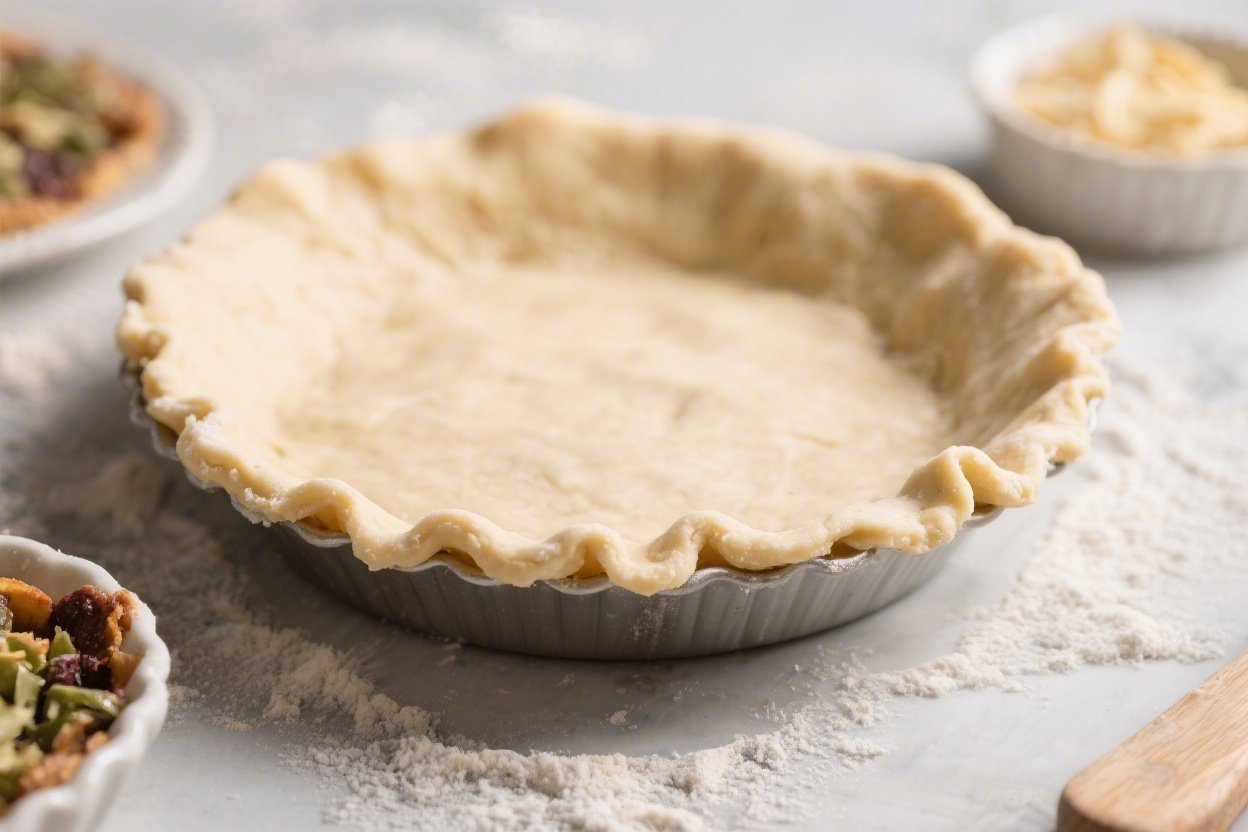
Healthy Pie Crust Recipe – A Lighter, Reliable Base for Sweet or Savory Pies
This healthy pie crust recipe gives you a tender, flaky base without the heaviness. It keeps the classic feel you want in a pie, but lightens things up with smarter fat choices and whole grains. You’ll get a dough that’s easy to handle, bakes up reliably, and works for both sweet and savory fillings.
Need More Easy Dinner Ideas?
Get my FREE 7-Day Easy Dinner Reset and enjoy a full week of healthy dinners without the meal-planning stress.
If you’ve been burned by crumbly “healthy” crusts before, this one will change your mind. It’s simple, flexible, and tastes like a real pie crust—just kinder to your body.
Healthy Pie Crust Recipe - A Lighter, Reliable Base for Sweet or Savory Pies
Ingredients
Method
- Chill everything. Place the butter cubes, yogurt, and even your mixing bowl in the fridge for at least 15 minutes. Cold ingredients keep the crust flaky.
- Mix dry ingredients. In a large bowl, whisk the white whole wheat flour, all-purpose flour, salt, and sugar (if using). Add cinnamon or herbs now if you like.
- Cut in the butter. Add the cold butter to the bowl. Use a pastry cutter or your fingertips to work it into the flour until you have pea-sized bits. Leave some larger, marble-sized pieces for flake.
- Add the oil. Drizzle in the oil and toss with a fork to lightly coat the flour. This helps tenderness without extra saturated fat.
- Stir in yogurt and vinegar. Add the Greek yogurt and vinegar. Gently fold to combine. The mixture will look shaggy and dry—this is right.
- Add ice water gradually. Sprinkle in 2 tablespoons ice water and mix with a fork. Add more, 1 teaspoon at a time, just until the dough holds together when pressed. Stop before it feels sticky.
- Bring it together. Turn the mixture onto a lightly floured surface. Press and fold it a few times to form a cohesive disk. Don’t knead—overworking makes it tough.
- Chill. Wrap the disk in plastic or beeswax wrap and chill for at least 45 minutes (up to 2 days). This relaxes gluten and firms the fat for better layers.
- Roll it out. On a lightly floured surface, roll the dough from the center outward into a 12-inch circle for a 9-inch pie plate, rotating a quarter turn after each few strokes to keep it even. If it cracks, press edges together.
- Fit and trim. Transfer to your pie plate by rolling the dough onto the pin and unrolling over the plate. Gently ease it into the corners. Trim overhang to about 1 inch, then fold under and crimp.
- Chill again. Pop the crust into the fridge for 20 minutes (or freezer for 10). A cold crust holds its shape better.
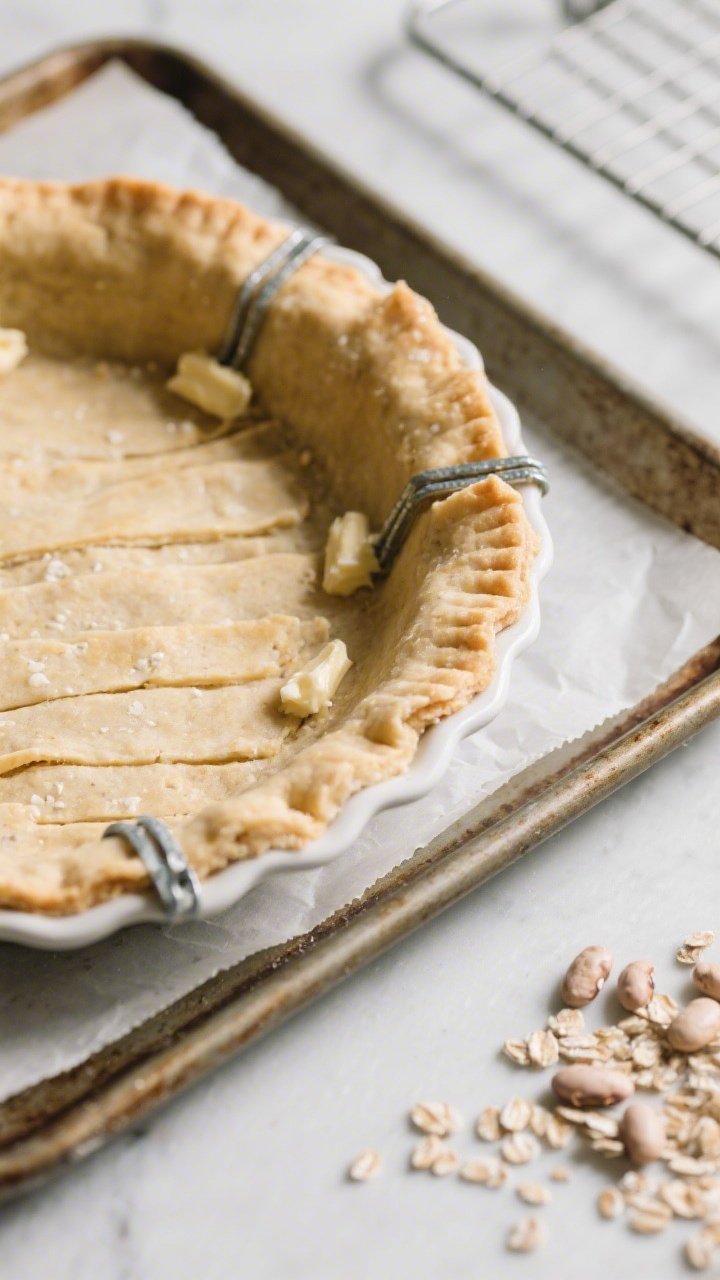
- Blind bake if needed. For a pre-baked shell, line with parchment and fill with pie weights or dried beans. Bake at 375°F (190°C) for 15 minutes, remove weights, then bake 8–12 minutes more until lightly golden. Cool before filling.
- For filled pies. Add your filling and bake as your recipe directs. Check the edges at the halfway point; cover with a crust shield or foil if browning too quickly.
What Makes This Recipe So Good
- Balanced flours: A mix of white whole wheat flour and all-purpose flour gives you fiber and nutrients without turning the crust tough.
- Better fats: A blend of cold butter and neutral oil lowers saturated fat while keeping flavor and flake.
- Easy to roll: Greek yogurt adds moisture and tenderness, making the dough more forgiving and less likely to crack.
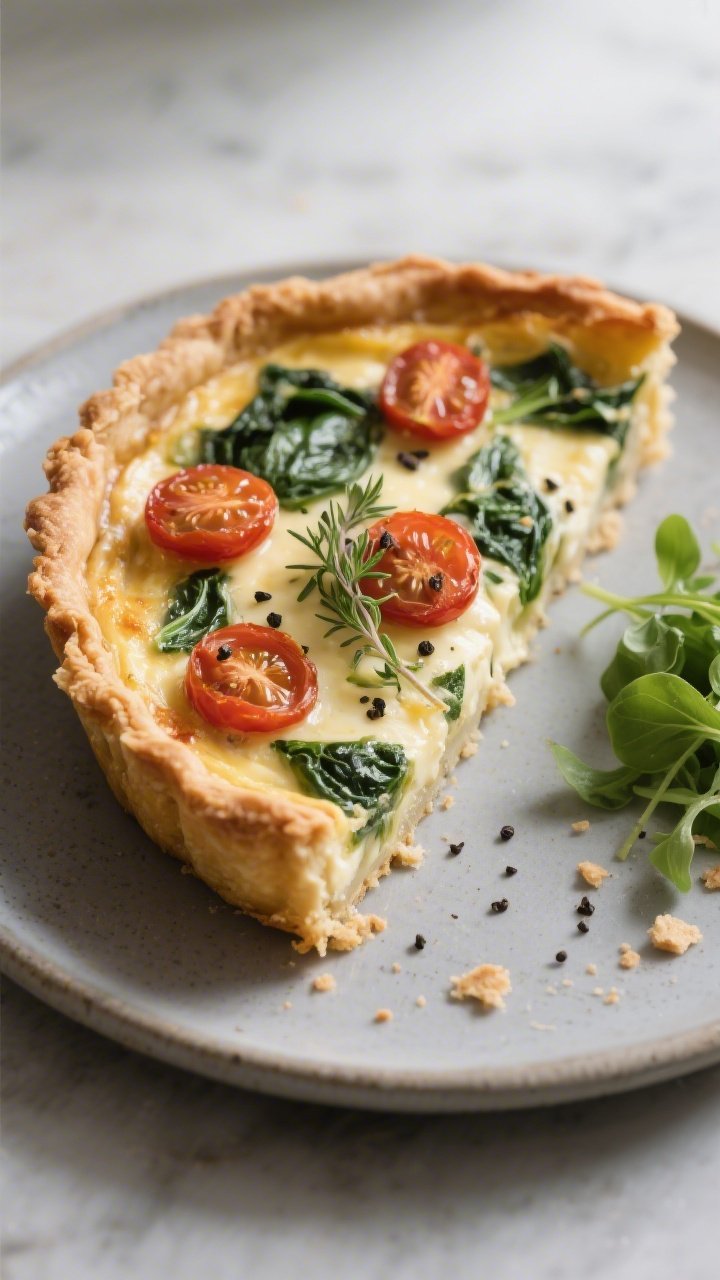
- Versatile: Works for apple pie, quiche, chicken pot pie, pumpkin, and more—just adjust the sugar and spices.
- Make-ahead friendly: The dough chills well, freezes beautifully, and bakes up crisp.
What You’ll Need
- 3/4 cup white whole wheat flour (or whole wheat pastry flour)
- 3/4 cup all-purpose flour (spooned and leveled)
- 1/4 teaspoon fine sea salt
- 1 tablespoon coconut sugar or cane sugar (optional; omit for savory pies)
- 6 tablespoons cold unsalted butter, cut into 1/2-inch cubes
- 2 tablespoons neutral oil (avocado, light olive, or grapeseed)
- 1/4 cup plain Greek yogurt (2% or 5%)
- 2–4 tablespoons ice water, as needed
- 1 teaspoon apple cider vinegar (optional; helps tenderize)
- For savory pies: 1/2 teaspoon dried thyme or rosemary (optional)
- For sweet pies: 1/2 teaspoon ground cinnamon (optional)
How to Make It
- Chill everything. Place the butter cubes, yogurt, and even your mixing bowl in the fridge for at least 15 minutes. Cold ingredients keep the crust flaky.
- Mix dry ingredients. In a large bowl, whisk the white whole wheat flour, all-purpose flour, salt, and sugar (if using).
Add cinnamon or herbs now if you like.
- Cut in the butter. Add the cold butter to the bowl. Use a pastry cutter or your fingertips to work it into the flour until you have pea-sized bits. Leave some larger, marble-sized pieces for flake.
- Add the oil. Drizzle in the oil and toss with a fork to lightly coat the flour.
This helps tenderness without extra saturated fat.
- Stir in yogurt and vinegar. Add the Greek yogurt and vinegar. Gently fold to combine. The mixture will look shaggy and dry—this is right.
- Add ice water gradually. Sprinkle in 2 tablespoons ice water and mix with a fork.
Add more, 1 teaspoon at a time, just until the dough holds together when pressed. Stop before it feels sticky.
- Bring it together. Turn the mixture onto a lightly floured surface. Press and fold it a few times to form a cohesive disk.
Don’t knead—overworking makes it tough.
- Chill. Wrap the disk in plastic or beeswax wrap and chill for at least 45 minutes (up to 2 days). This relaxes gluten and firms the fat for better layers.
- Roll it out. On a lightly floured surface, roll the dough from the center outward into a 12-inch circle for a 9-inch pie plate, rotating a quarter turn after each few strokes to keep it even. If it cracks, press edges together.
- Fit and trim. Transfer to your pie plate by rolling the dough onto the pin and unrolling over the plate.
Gently ease it into the corners. Trim overhang to about 1 inch, then fold under and crimp.
- Chill again. Pop the crust into the fridge for 20 minutes (or freezer for 10). A cold crust holds its shape better.
- Blind bake if needed. For a pre-baked shell, line with parchment and fill with pie weights or dried beans.
Bake at 375°F (190°C) for 15 minutes, remove weights, then bake 8–12 minutes more until lightly golden. Cool before filling.
- For filled pies. Add your filling and bake as your recipe directs. Check the edges at the halfway point; cover with a crust shield or foil if browning too quickly.
Storage Instructions
- Unbaked dough: Wrap tightly and refrigerate up to 2 days or freeze up to 2 months.
Thaw overnight in the fridge before rolling.
- Blind-baked shell: Cool completely, wrap, and store at room temperature for 1 day or freeze up to 1 month.
- Leftover scraps: Press together, chill, and roll into mini tarts or cut into crackers. Bake at 375°F until crisp.
Why This is Good for You
- More fiber, better satisfaction: White whole wheat flour adds fiber and nutrients, which can help steady energy and keep you full.
- Smarter fat profile: Combining butter with a neutral oil reduces saturated fat while keeping flavor and flakiness.
- Protein and calcium boost: Greek yogurt adds protein and a touch of tang, plus helps tenderness with less total fat.
- Lower sugar option: The crust has minimal added sugar and can be made fully unsweetened for savory pies.
Pitfalls to Watch Out For
- Overworking the dough: Too much mixing develops gluten and makes the crust tough. Stop as soon as it holds together.
- Warm ingredients: Soft butter smears into the flour and ruins flake.
Keep everything cold and chill between steps.
- Too much water: Add water gradually. If the dough feels sticky, it will shrink more and bake up dense.
- Skipping the rest: Chilling is not optional. It prevents shrinkage and improves texture.
- Underbaking: A pale crust can taste doughy.
Aim for light golden edges and a dry, set bottom.
Variations You Can Try
Never Wonder What's For Dinner Again
Save time, eat healthier, and take the stress out of dinner. Get a full week of easy healthy dinners delivered straight to your inbox.
- All-whole-grain: Use 100% white whole wheat flour. Add 1 extra tablespoon oil and 1–2 extra teaspoons water if needed for tenderness.
- Gluten-free: Swap in a 1:1 gluten-free flour blend and add 1/2 teaspoon xanthan gum if your blend lacks it. Chill well and roll between parchment.
- Nutty boost: Replace 1/4 cup flour with finely ground almonds or walnuts for flavor and healthy fats.
- Olive oil crust: Skip butter and use 6 tablespoons extra-virgin olive oil.
Expect a tender, more shortbread-like crumb rather than flaky layers.
- Herb and pepper: For quiches or pot pies, add 1 teaspoon chopped fresh rosemary and 1/2 teaspoon black pepper.
- Lightly sweet: For fruit pies, add 1–2 tablespoons maple sugar and 1/2 teaspoon vanilla powder for a gentle sweetness.
FAQ
Can I make this crust in a food processor?
Yes. Pulse the dry ingredients, add cold butter and pulse until pea-sized crumbs form, then drizzle in oil, yogurt, vinegar, and ice water, pulsing just until it clumps. Stop early to avoid overworking.
What if my dough cracks when I roll it out?
Small cracks are normal.
Press them back together or patch with a scrap. If it’s very crumbly, mist with a little water, rewrap, and chill 10 minutes before trying again.
Do I have to blind bake for custard fillings?
For custards like pumpkin or pecan, a partial blind bake prevents a soggy bottom. Bake with weights 15 minutes, remove weights, then bake 5–7 minutes more before adding filling.
How do I prevent the crust from shrinking?
Let the dough rest in the fridge after shaping, don’t stretch it to fit the pan, and trim with a small overhang you can fold under.
Bake cold and avoid too much water in the dough.
Can I use yogurt that isn’t Greek?
You can, but reduce ice water slightly since regular yogurt has more moisture. The dough should feel soft but not sticky.
Is coconut oil a good substitute for butter?
It works, but use refined coconut oil for a neutral taste and keep it very cold. Expect a slightly more tender, less layered texture.
Wrapping Up
This healthy pie crust recipe proves you don’t have to choose between flavor and better ingredients.
With whole grains, a smarter fat blend, and a little yogurt for tenderness, you get a crust that rolls easily and bakes up crisp and flaky. Keep your ingredients cold, don’t overwork the dough, and give it time to rest. From weekend quiches to holiday pies, this crust is a dependable, lighter base you can feel good about baking.
Printable Recipe Card
Want just the essential recipe details without scrolling through the article? Get our printable recipe card with just the ingredients and instructions.
Loved This Recipe?
If you're looking for more simple, healthy dinners your family will actually eat, grab my FREE 7-Day Easy Dinner Reset. You'll get 7 easy dinner recipes, simple grocery lists, and a done-for-you plan that takes the stress out of mealtime.