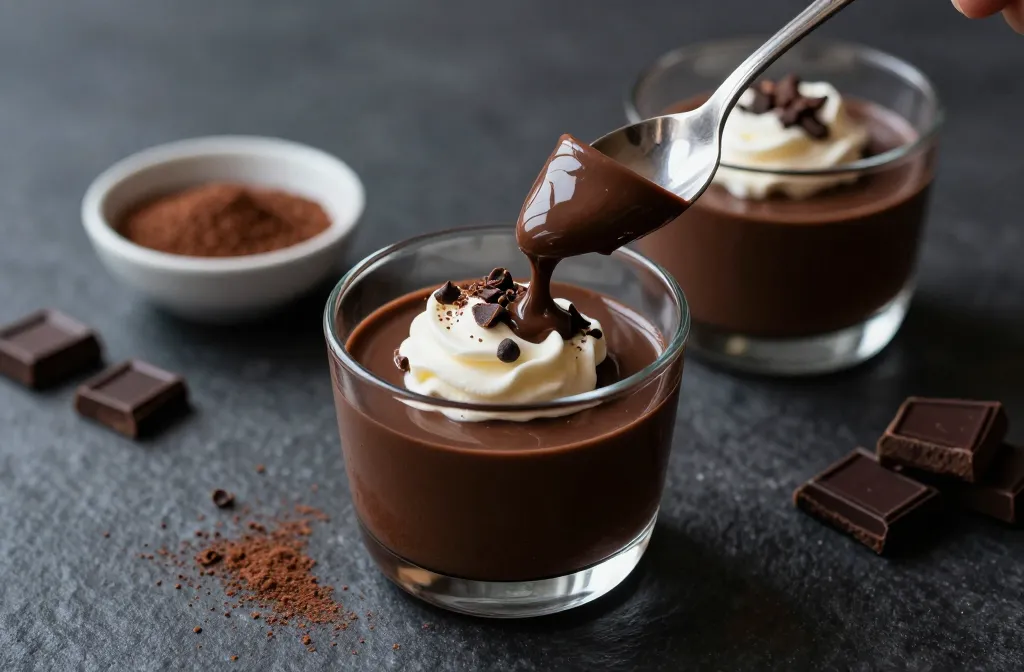
Low-Carb Italian Chocolate Custard That Feels Decadent
Chocolate cravings don’t care about your macros. Luckily, you don’t have to choose between creamy decadence and a low-carb life. Enter Italian chocolate custard—silky, sophisticated, and surprisingly friendly to your carb count. It’s like tiramisu’s elegant cousin who lifts weights and reads ingredient labels.
Need More Easy Dinner Ideas?
Get my FREE 7-Day Easy Dinner Reset and enjoy a full week of healthy dinners without the meal-planning stress.
What Exactly Is Low-Carb Italian Chocolate Custard?
Italian chocolate custard (think budino vibes) delivers that deep cocoa flavor and spoonable richness you want from dessert—without the sugar avalanche. We swap traditional sugar for a smart sweetener and dial in the fats and eggs to keep the texture lush. The result? A dessert that tastes luxurious, not “diet.”
Core idea: you gently cook a cocoa-and-cream mixture, whisk in egg yolks, and finish with chocolate and butter. Chill it, garnish it, brag about it.
Why This Dessert Works (Even When You’re Tracking Carbs)
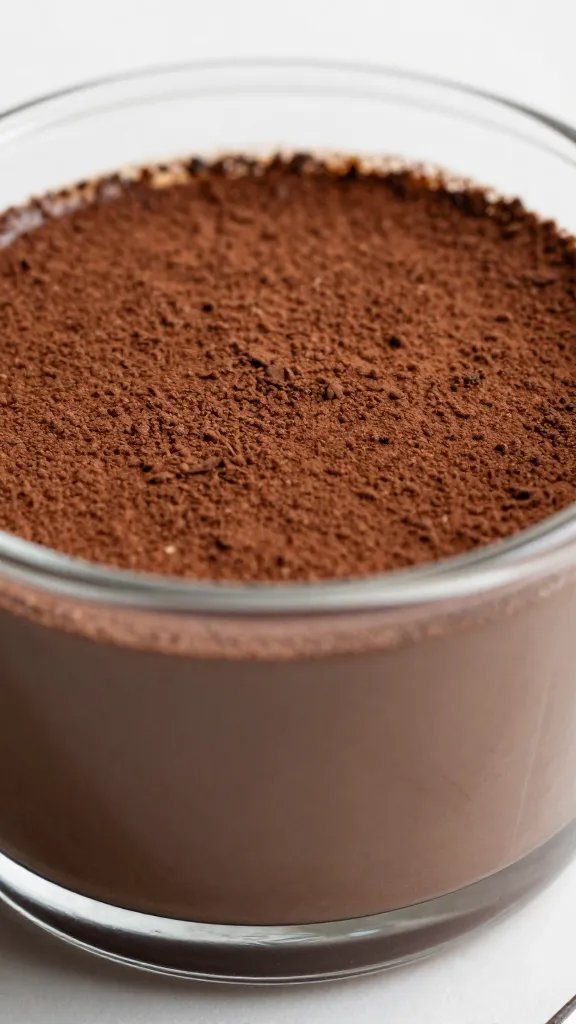
Traditional custard leans on eggs and cream for structure. That’s basically the low-carb dream team.
- Egg yolks thicken naturally when warmed gently, so you don’t need cornstarch.
- Heavy cream brings body and keeps things smooth, luxurious, and satisfying.
- Dark chocolate + cocoa powder deliver intense flavor with fewer carbs per serving than milk chocolate.
- Low-glycemic sweetener keeps the taste sweet without the sugar spike.
You get a dessert that feels indulgent and still plays nice with your carb goals. Win-win, right?
Ingredients That Make It Magical
Go for quality here. Custard doesn’t hide anything.
- Heavy cream (or a mix of cream and unsweetened almond milk for lighter texture)
- Egg yolks (four to six, depending on richness preference)
- Unsweetened cocoa powder (Dutch-process for smoother flavor)
- Dark chocolate, 70–85% (chopped; use sugar-free if you prefer ultra low-carb)
- Sweetener: allulose or erythritol/monk fruit blend work great
- Vanilla extract and a pinch of salt (non-negotiable for flavor balance)
- Optional extras: instant espresso powder, orange zest, or a splash of amaretto extract (not the liqueur, FYI)
Choosing the Right Sweetener
– Allulose dissolves beautifully and doesn’t crystallize. It also gives a slightly softer set, which custard loves.
– Erythritol blends work but can re-crystallize when cold. If you use them, add a teaspoon of glycerin for silkiness (optional, but clutch IMO).
– Stevia-only can turn bitter in chocolate desserts. Pair it with erythritol or allulose for balance.
Step-by-Step: Making the Custard (Without Scrambling the Eggs)
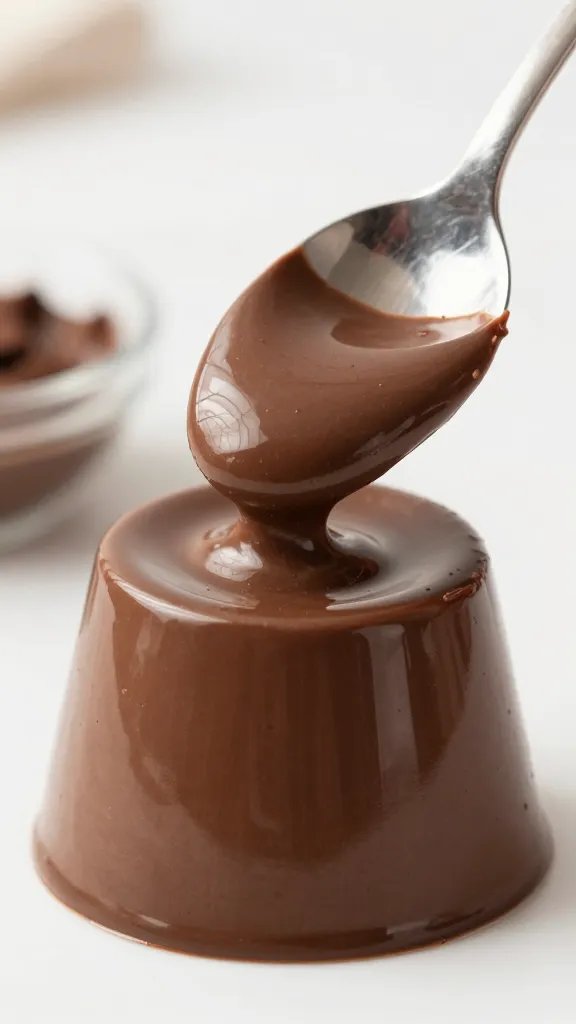
You don’t need fancy skills—just a little patience and a whisk.
- Heat the dairy: In a saucepan, whisk cream, cocoa, sweetener, and a pinch of salt. Warm over medium heat until steaming and tiny bubbles form at the edges. Don’t boil.
- Temper the yolks: In a bowl, whisk egg yolks. Slowly drizzle in some hot cream while whisking like you mean it. This prevents scrambled eggs—nobody wants chocolate omelet.
- Cook it low and slow: Pour the yolk mixture back into the pot. Stir constantly with a spatula over low heat until the custard coats the back of the spatula and a finger-swipe line holds. Aim for 170–175°F if you’re using a thermometer.
- Add chocolate + vanilla: Remove from heat. Stir in chopped dark chocolate and vanilla until glossy and smooth. Taste and adjust sweetness.
- Strain and chill: For peak silkiness, strain through a fine mesh sieve into cups or ramekins. Cover and chill at least 2 hours, preferably overnight.
Troubleshooting Texture
– Too thin? You undercooked it. Next time, cook to 175°F and make sure it coats the spatula.
– Grainy? The sweetener likely crystallized, or you overheated. Strain it and whisk in a splash of warm cream.
– Eggy taste? Heat got a bit high. Add a little more vanilla and a tiny pinch of espresso powder to balance.
Flavor Twists That Keep It Interesting
You can riff like a nonna with a sweet tooth and a macro tracker.
- Mocha Budino: Add 1 teaspoon instant espresso powder to the warm cream.
- Orange & Dark Chocolate: Zest half an orange into the pot; add a few drops of orange extract.
- Hazelnut Dream: Stir in 1 tablespoon toasted hazelnut butter when adding the chocolate.
- Chili Kick: A pinch of cayenne or ancho chili makes it mysterious and grown-up.
- Mint Nightcap: A few drops peppermint extract—go easy; it’s potent.
Garnishes That Don’t Ruin Your Macros
– Unsweetened whipped cream with a touch of sweetener and vanilla
– Shaved dark chocolate or cocoa nibs for crunch
– Toasted nuts (hazelnuts, almonds, pistachios)
– Fresh raspberries or sliced strawberries in moderation
How Low-Carb Is It, Really?
Never Wonder What's For Dinner Again
Save time, eat healthier, and take the stress out of dinner. Get a full week of easy healthy dinners delivered straight to your inbox.
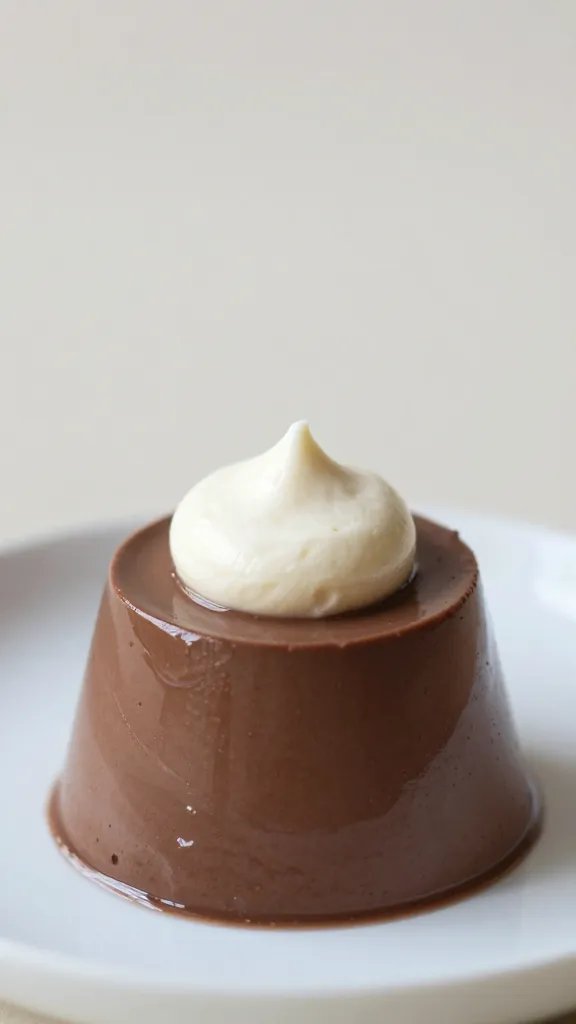
Exact numbers depend on your ingredients, but here’s a ballpark for one serving (about 1/2 cup), using heavy cream, 85% dark chocolate, cocoa, and allulose:
- Net carbs: ~4–6g
- Protein: ~5–7g
- Fat: ~25–30g
- Calories: ~300–350
If you go with sugar-free chocolate and all allulose, you’ll shave carbs further. If you mix in almond milk for part of the cream, you’ll lighten calories a bit, though you’ll also slightly thin the texture. Your call, chef.
Make-Ahead, Storage, and Serving Tips
Custard loves a nap in the fridge. It sets better and tastes deeper the next day.
- Chill time: Minimum 2 hours; overnight is ideal.
- Storage: Keep covered in the fridge for up to 4 days.
- Freezing? Not ideal. Ice crystals can wreck the texture. If you must, freeze in small portions and thaw slowly in the fridge.
- Serving temp: Slightly cool, not ice-cold. Let it sit 10–15 minutes before serving for peak silkiness.
Presentation Ideas
– Small espresso cups or shot glasses for tasting portions
– Ramekins with a dollop of whipped cream and cocoa dust
– Layered parfait with a few raspberries and crushed roasted nuts (still low-carb, still fancy)
FAQs
Can I make it dairy-free?
Yes, but it changes the texture. Use full-fat coconut milk or a rich coconut cream plus a splash of almond milk. Add an extra yolk to help it thicken, and use cocoa plus dairy-free dark chocolate. Expect a subtle coconut note—delicious, just different.
What’s the best chocolate percentage?
Aim for 70–85%. Lower percentages add more sugar and carbs, while ultra-dark (90%+) can taste too bitter unless you increase sweetener. Start with 85% and tweak to taste, IMO the sweet spot for depth and carbs.
Do I need a thermometer?
Not mandatory, but it helps. Custard sets best around 170–175°F. If you skip the thermometer, rely on the classic “coats the back of a spoon” test and steady, gentle heat.
Can I bake this as a pot de crème?
Absolutely. Divide into ramekins, place in a baking dish, add hot water halfway up the sides, and bake at 300°F until just set with a slight jiggle (about 25–35 minutes). Chill before serving. Same flavor, more formal vibes.
Which sweetener tastes most like sugar?
Allulose wins for texture and clean sweetness. Monk fruit/erythritol blends taste good too, but can feel cool or grainy when chilled. A tiny bit of liquid stevia added to either can boost sweetness without adding volume.
Why did my custard curdle?
Heat ran hot or you added the hot cream to yolks too quickly. Next time, temper slowly, keep the burner low, and stir constantly. If it’s only slightly curdled, blitz with an immersion blender and strain—sometimes you can rescue it.
Final Thoughts
Low-carb Italian chocolate custard proves you can eat like a grown-up and still crush dessert. It’s simple to make, wildly customizable, and elegant enough for guests who “don’t do keto” but mysteriously ask for seconds. Make a batch, stash it in the fridge, and thank yourself later—because when chocolate calls, you’ll answer like a pro, FYI.
Loved This Recipe?
If you're looking for more simple, healthy dinners your family will actually eat, grab my FREE 7-Day Easy Dinner Reset. You'll get 7 easy dinner recipes, simple grocery lists, and a done-for-you plan that takes the stress out of mealtime.