Sugar-Free Italian Custard That Tastes Decadent
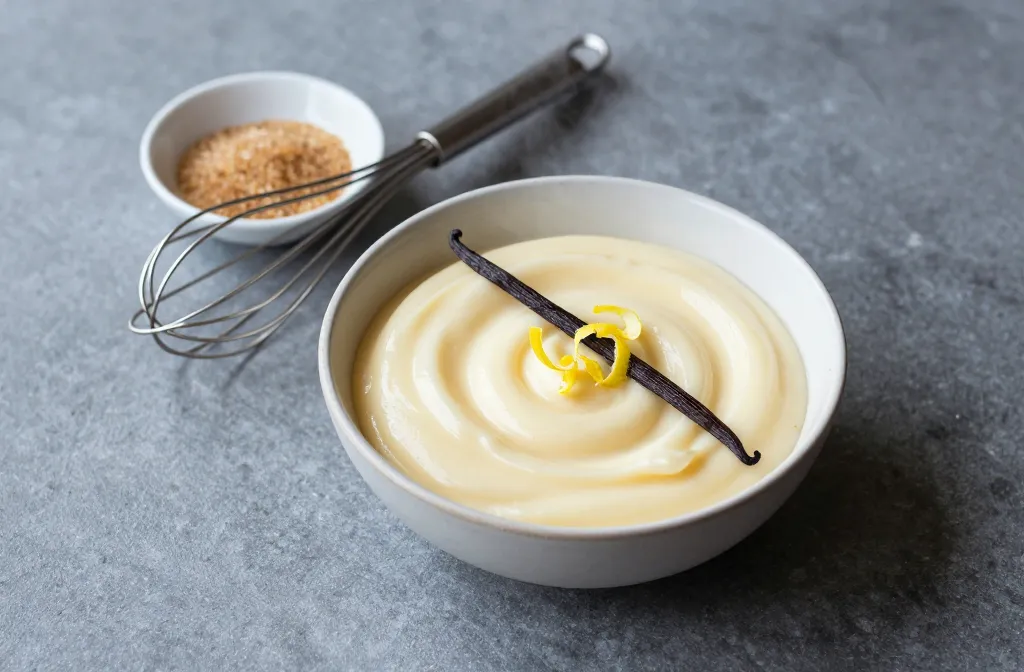
Custard without the sugar rush? Yes, please. Italian custard—crema pasticcera—brings velvety richness, dreamy vanilla, and that “I made this from scratch” smugness. And you can absolutely make it sugar-free without turning it into a sad bowl of scrambled eggs. Grab a whisk, your favorite saucepan, and a tiny bit of patience. Dessert is about to get very real.
Need More Easy Dinner Ideas?
Get my FREE 7-Day Easy Dinner Reset and enjoy a full week of healthy dinners without the meal-planning stress.
What Makes Italian Custard, Well, Italian?
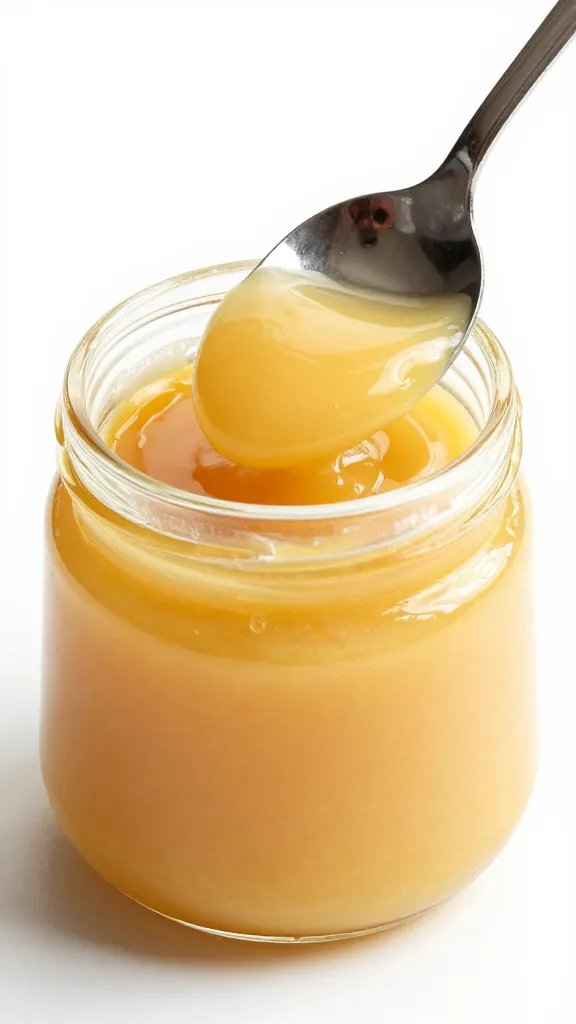
Classic Italian custard, or crema pasticcera, stars egg yolks, milk, and a touch of starch for silky structure. It skips heavy cream and leans on technique rather than fat. You get a glossy, spoonable cream that sets just enough to fill pastries but still feels luxurious by the spoonful.
The sugar-free twist? We swap granulated sugar for a heat-stable sweetener and keep everything else true to the original. You still infuse milk with vanilla. You still temper the eggs. You still feel fancy.
The Sweeteners That Actually Work
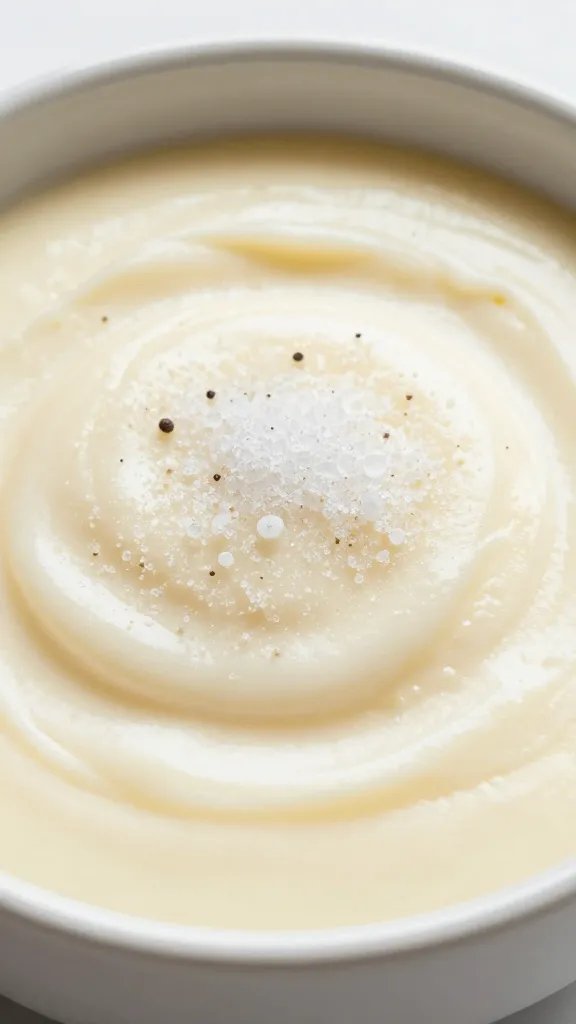
Not all sugar substitutes survive the stovetop. Some turn bitter. Some refuse to dissolve. Choose wisely or suffer clumpy consequences.
- Allulose: My top pick. It dissolves beautifully, browns a bit, and tastes very close to sugar. Slightly less sweet than sugar, so you’ll use a bit more.
- Erythritol (granular or powdered): Works, but can recrystallize and feel cool on the tongue. Powdered reduces grit.
- Monk fruit blends: Great if blended with erythritol or allulose. Straight monk fruit extract can taste too intense.
- Stevia: Use only to “boost” sweetness. Alone, it can go bitter under heat, IMO.
Pro tip: If you use erythritol or a monk fruit/erythritol blend, whisk in 1-2 teaspoons of glycerin or a splash of fiber syrup to reduce crystallization. FYI, allulose usually doesn’t need the assist.
The Creamiest Sugar-Free Crema Pasticcera (Recipe)
You want something you can pipe into cream puffs, layer in a trifle, or eat straight from the fridge. This batch does all of it.
Ingredients (makes about 3 cups)
- 2 cups (480 ml) whole milk (or half milk, half unsweetened almond milk)
- 1/2 cup (120 ml) heavy cream (optional, for extra richness)
- 5 large egg yolks
- 1/2 cup (100–120 g) allulose (start with 100 g; add to taste)
- 3 tablespoons cornstarch (or 2 tbsp cornstarch + 1 tbsp arrowroot for silkiness)
- 2 teaspoons vanilla extract or 1 vanilla bean, split and scraped
- Pinch of fine sea salt
- 1 tablespoon unsalted butter (optional, for that glossy finish)
Method
- Heat the dairy: Add milk (and cream, if using), salt, and vanilla to a saucepan. Warm over medium heat until steaming and barely bubbling around the edges. Turn heat to low.
- Whisk the base: In a bowl, whisk egg yolks, allulose, and cornstarch until pale and smooth. It should look like thick ribbons.
- Temper like a pro: Slowly drizzle 1 cup of hot milk into the yolk mixture, whisking constantly. Then pour everything back into the saucepan.
- Cook to silky: Cook over medium-low heat, whisking nonstop. The custard will thicken in 3–5 minutes. Once it bubbles, cook 30–60 seconds more to eliminate any starchy taste.
- Finish: Off the heat, whisk in butter (if using). Taste and adjust sweetness with a touch more allulose if needed.
- Chill like you mean it: Strain through a fine mesh sieve into a shallow dish. Press plastic wrap directly on the surface to prevent a skin. Chill at least 2 hours.
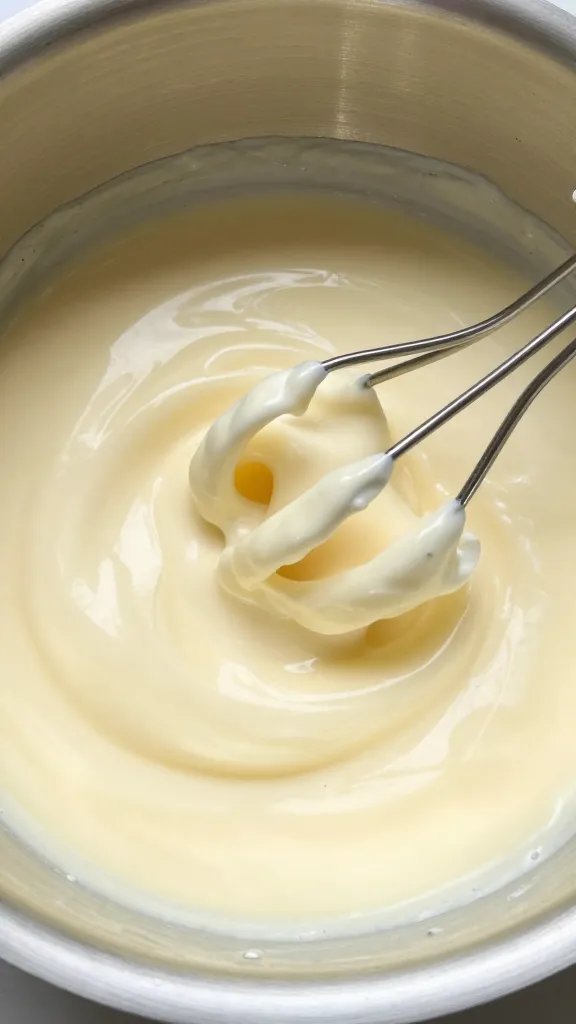
Texture check: It should mound softly on a spoon and hold a swirl. If it looks too thick after chilling, whisk in a splash of cold milk. Too thin? Whisk and heat for 30 seconds on low, then chill again.
Flavor Variations Worth Your Time
The fun part. Custard behaves like a blank canvas with strong opinions. You can bend it, but keep the structure intact.
- Lemon Zest Dream: Add zest of 1–2 lemons to the milk as it warms. Whisk in 1 teaspoon lemon juice at the end for brightness.
- Espresso Shot: Dissolve 2 teaspoons instant espresso in the warm milk. Top with a dusting of cocoa. Chef’s kiss.
- Chocolate Italian Custard: Whisk in 85–115 g chopped 70% sugar-free chocolate after cooking, off the heat. Reduce allulose by 1–2 tablespoons.
- Orange + Vanilla Bean: Orange zest + a real vanilla bean turns this into gelato-in-custard-form energy.
- Almond Amaretto Vibes: Add 1/2 teaspoon almond extract at the end. Sub 1/4 cup milk with unsweetened almond milk for aroma.
What Not to Do
- Don’t add acid (like lemon juice) early. It can curdle the mixture. Add at the end off heat.
- Don’t boil hard. Gentle bubbles only, or you risk grainy eggs.
- Don’t skip the sieve. It’s your insurance policy against micro-lumps.
How to Use It (Besides Just a Spoon)
You can absolutely eat it straight. But if you want “I host brunch now” energy, try these:
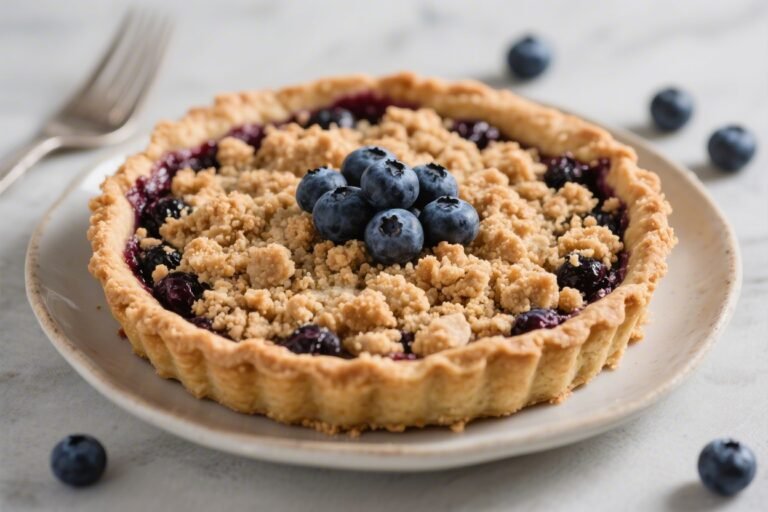
- Fruit tart: Fill a prebaked almond-flour crust with custard, top with berries, brush with a thin allulose syrup for shine.
- Layered parfait: Alternate custard with sliced strawberries and crushed sugar-free biscotti.
- Creampuffs/eclairs: Pipe into choux shells. Dust with powdered “sugar” (aka powdered allulose).
- Trifle: Custard, sponge, berries, repeat. It’s dessert Tetris.
- Breakfast “dessert”: Dollop onto Greek yogurt with toasted nuts. IMO, elite.
Fixing Common Custard Drama
Stuff happens. You looked at your phone. The pan ran hot. You’re human. Here’s how to recover.
It’s lumpy
Never Wonder What's For Dinner Again
Save time, eat healthier, and take the stress out of dinner. Get a full week of easy healthy dinners delivered straight to your inbox.
Blend with an immersion blender for 10–15 seconds, then push through a fine sieve. Good as new.
It tastes eggy
You probably overcooked it or skipped vanilla. Whisk in extra vanilla or an espresso shot to mask. Next time, cook on a lower flame.
It’s too sweet or not sweet enough
Add a pinch of salt or lemon zest to tone sweetness. For more, whisk in a bit of allulose while it’s still warm so it dissolves.
It set too firm
Whisk in cold milk, 1 tablespoon at a time, until it relaxes. You’re the boss of viscosity.
Nutrition and Smart Swaps
You want creamy without the sugar spike. Totally doable.
- Lower sugar load: Using allulose or a monk fruit blend keeps net carbs down and minimizes glucose spikes, IMO.
- Dairy tweaks: Use lactose-free milk or a 50/50 milk–unsweetened almond milk mix. You can skip cream to reduce richness.
- Thickener choices: Cornstarch gives reliable set. Arrowroot makes it glossier but can feel stretchy if overheated. Don’t use coconut flour—wrong tool.
- Protein boost: Whisk in 1 scoop unflavored whey isolate after cooking and cooling slightly. It thickens, so add extra milk to balance.
FAQ
Can I make it dairy-free?
Yes. Use unsweetened almond milk plus a splash of canned coconut milk for body. Add 1 extra teaspoon starch since plant milks lack casein’s thickening synergy. Flavor with vanilla bean to keep it luxe.
Which sweetener tastes most like sugar?
Allulose wins for texture and flavor in heated custards. Monk fruit/allulose blends also rule. Erythritol can work but may recrystallize when chilled, so sift it superfine and consider adding a teaspoon of glycerin.
How long does it keep?
Up to 4 days in the fridge, tightly covered with wrap pressed on the surface. Whisk before serving. I don’t recommend freezing—thawing wrecks the texture.
Can I use whole eggs instead of just yolks?
You can, but you’ll lose some silkiness and gain a firmer, more pudding-like set. If you go that route, use 3 whole eggs plus 1 yolk and increase vanilla to keep it fragrant.
Why did mine turn grainy?
Overheating. The proteins in yolks tightened up too fast. Keep the heat moderate, whisk constantly, and pull it the moment it thickens and bubbles. Strain every time—non-negotiable.
Is cornstarch necessary?
For that classic crema pasticcera texture, yes. The starch stabilizes the eggs so you can cook hot enough to thicken without scrambling. Without it, you need ninja-level heat control.
Conclusion
Sugar-free Italian custard brings the same glossy, spoonable joy as the classic—no sugar crash required. Use a heat-stable sweetener, keep the heat gentle, and strain like a perfectionist. Then eat it however you want: in tarts, with fruit, or straight from the bowl. I won’t judge.
Loved This Recipe?
If you're looking for more simple, healthy dinners your family will actually eat, grab my FREE 7-Day Easy Dinner Reset. You'll get 7 easy dinner recipes, simple grocery lists, and a done-for-you plan that takes the stress out of mealtime.