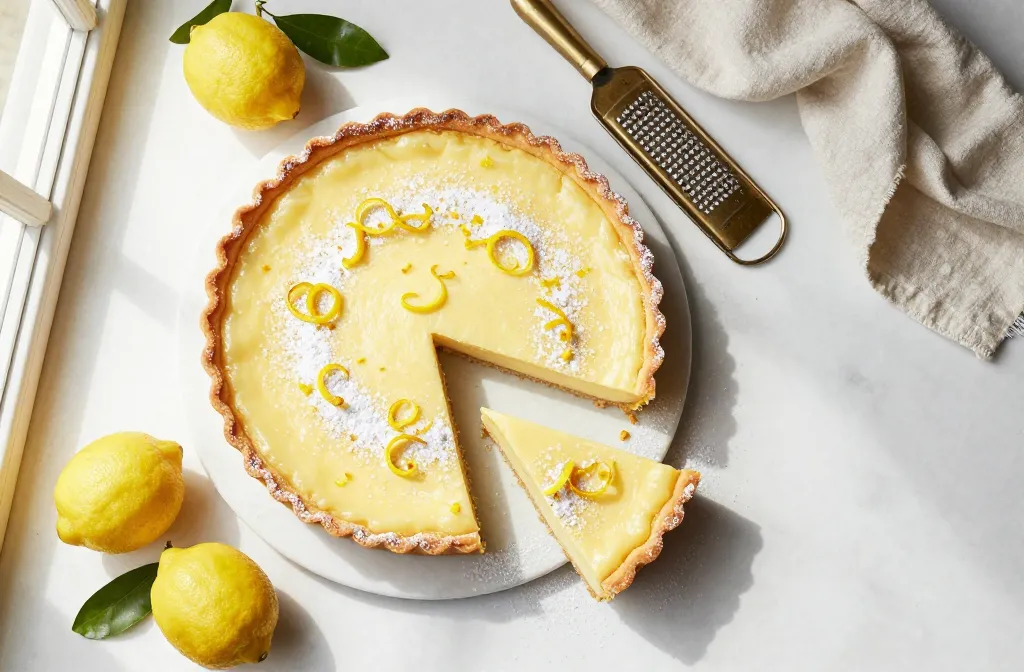
Sugar-Free Italian Lemon Ricotta Tart That Actually Slaps
You want a dessert that tastes like a sunbeam on a plate but doesn’t send your blood sugar into orbit? Enter the sugar-free Italian lemon ricotta tart. It’s bright, creamy, and just sweet enough to feel like dessert—without the sugar crash. If your dessert goals include “fresh,” “silky,” and “not cloying,” this one nails it. Let’s make your oven smell like Amalfi.
Need More Easy Dinner Ideas?
Get my FREE 7-Day Easy Dinner Reset and enjoy a full week of healthy dinners without the meal-planning stress.
Why This Tart Slaps (Without Sugar)
You get all the charm of a classic Italian ricotta pie with a zesty lemon glow. The ricotta keeps things light and custardy, not heavy or overly rich. And with a thoughtful sugar substitute, you still get that dessert-level satisfaction. No weird aftertaste. No grainy texture. Just a clean, bright lemon bite.
Key perks:
- Low sugar, high flavor: Lemons, vanilla, and ricotta carry the show.
- Balanced texture: Creamy filling, tender crust—no clunkiness.
- Make-ahead friendly: It sets beautifully overnight. FYI, it tastes even better the next day.
The Anatomy of a Great Lemon Ricotta Tart
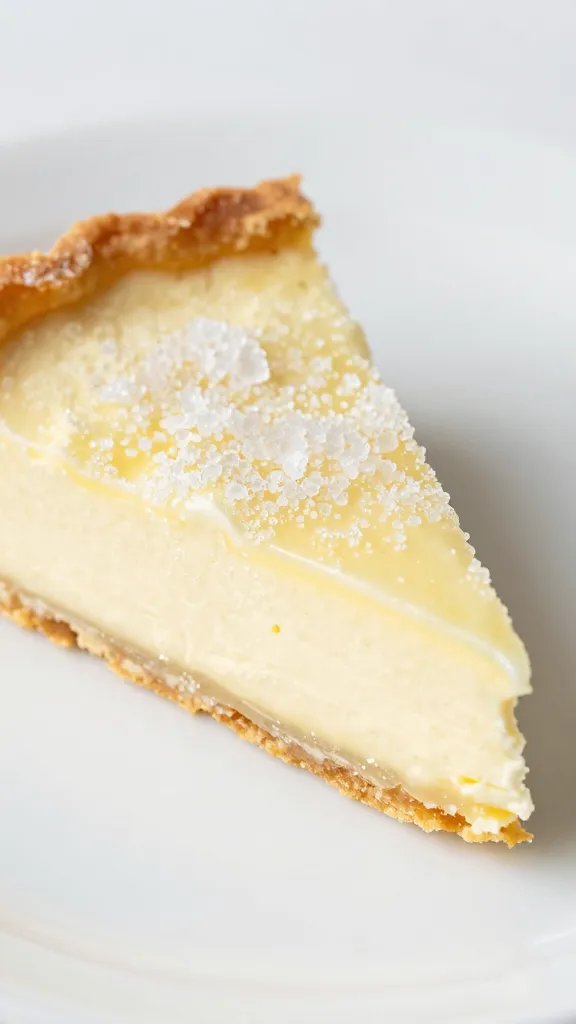
You need harmony between three things: crust, filling, and lemon. Go too sweet? Boring. Go too tart? Pucker city. Get the balance right and you’ll wonder why you ever tolerated store-bought.
The Crust: Classic or Almond?
You can do two routes, both great:
- Traditional shortcrust: All-purpose flour, butter, egg, pinch of salt. Neutral and flaky.
- Almond crust: Almond flour, butter, egg, and a little coconut flour. Slightly nutty, gluten-free-ish vibe, and very forgiving.
IMO, almond crust plays nice with lemon and ricotta, but use what you love.
The Filling: Creamy, Not Gloopy
Ricotta does the heavy lifting, but technique matters. You want it smooth and barely set, not rubbery. That means gentle baking, no overbeating, and proper cooling.
Ingredients That Actually Matter
Strong ingredients = better tart. Obvious? Sure. But when you use just a handful of elements, quality really shows.
- Ricotta: Use whole-milk ricotta, and drain it for 30 minutes. Excess moisture = soggy filling. Not cute.
- Lemons: Fresh zest + juice. Bottled juice won’t cut it here.
- Sweetener: Erythritol/monk fruit blend or allulose work best. They bake cleanly with minimal aftertaste.
- Eggs: Room temp for a silky emulsion.
- Vanilla + pinch of salt: These round out the lemon’s sharp edges.
Which Sugar Substitute Works Best?
- Allulose: Ultra smooth, slightly less sweet than sugar. Browning-friendly. My top pick.
- Erythritol/Monk Fruit: Bright sweetness, fewer calories. Can crystallize if you go heavy, so measure carefully.
- Xylitol: Tastes great but beware if you have pets—xylitol is toxic to dogs.
FYI, liquid stevia alone tends to taste bitter in citrus bakes. Blend it or skip it.
Step-by-Step: From Bowl to Bliss
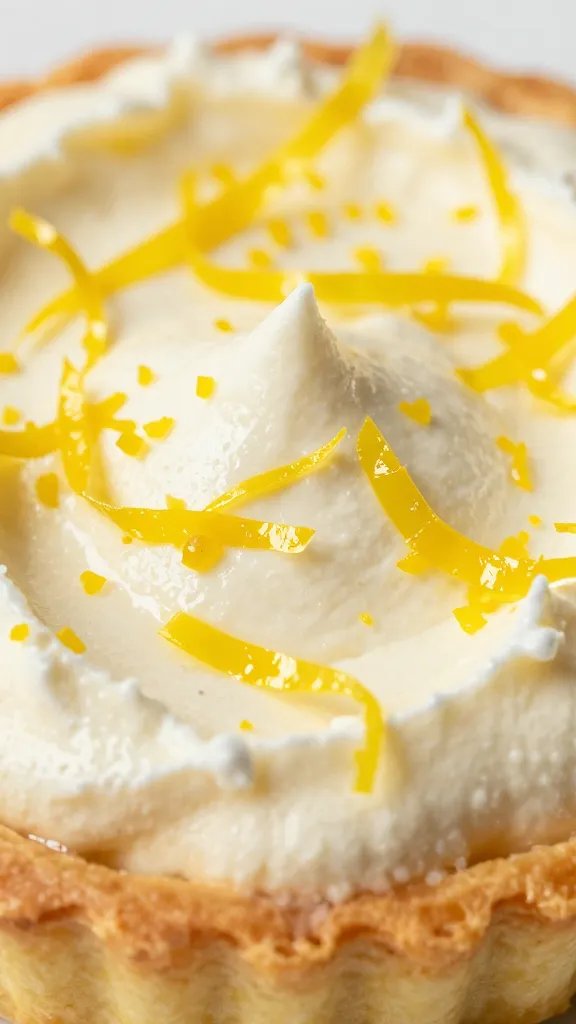
Let’s talk workflow so you don’t wrestle with sticky dough or a cracked top. You got this.
1) Make the Crust
- Pulse flour, a sugar substitute (just a tablespoon), cold butter, and salt to sandy crumbs.
- Add egg and pulse to form clumps. Don’t overmix—just bring it together.
- Press into a 9-inch tart pan with removable bottom. Dock with a fork.
- Chill 20 minutes, then blind-bake at 350°F (175°C) for 12-15 minutes until barely golden.
2) Mix the Filling
- Whisk drained ricotta until smooth.
- Add allulose (or blend), lemon zest, lemon juice, vanilla, and salt. Taste and adjust sweetness. It should taste slightly brighter than you want—it mellows as it bakes.
- Whisk in eggs one at a time until just combined. No overbeating; you don’t want air bubbles.
3) Bake Gently
- Pour filling into the warm crust. Smooth the top.
- Bake at 325°F (165°C) for 30-40 minutes until edges are set and the center still wobbles slightly.
- Turn off the oven, crack the door, and let it sit 10 minutes to prevent cracks.
Never Wonder What's For Dinner Again
Save time, eat healthier, and take the stress out of dinner. Get a full week of easy healthy dinners delivered straight to your inbox.
4) Chill for Best Texture
- Cool to room temp, then chill at least 4 hours (overnight is elite).
- Dust with a whisper of powdered sweetener and more zest before serving, if you want that bakery finish.
Flavor Twists That Keep Things Interesting
Want to riff on the base recipe? Do it. This tart loves a remix.
- Lemon + Basil: Finely chop fresh basil and stir into the filling. Summery and aromatic.
- Limoncello (sugar-free): Add a tablespoon to the filling for an extra citrus kick.
- Berry Swirl: Dollop sugar-free raspberry compote on top and swirl before baking. Fancy with zero effort.
- Mascarpone Upgrade: Swap 1/2 cup of ricotta for mascarpone for a creamier vibe.
- Almond Extract: One or two drops. Not more. It’s potent but gorgeous with lemon.
Pro Tips You’ll Thank Yourself For
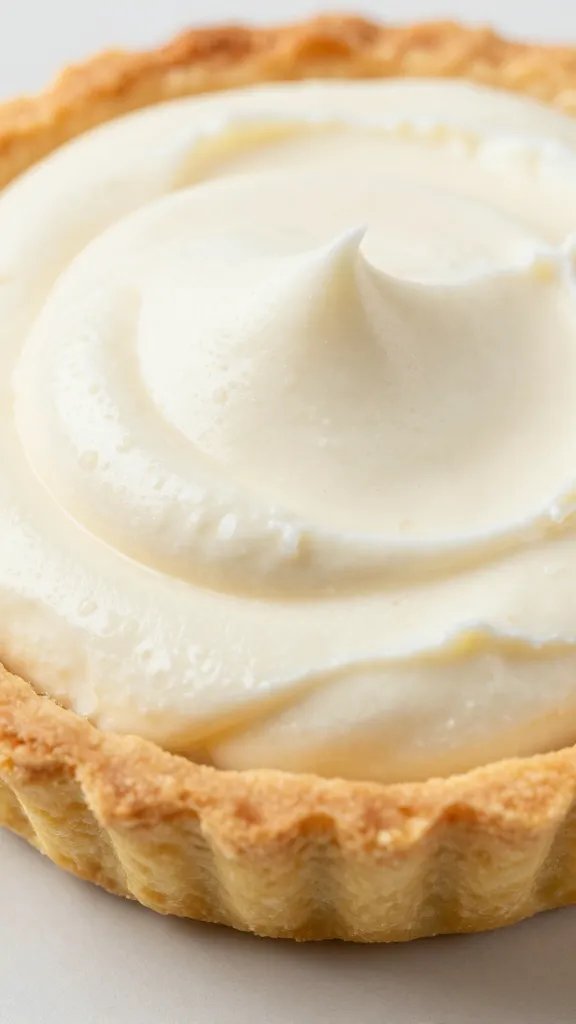
These small moves make a huge difference:
- Drain your ricotta. Wrap it in paper towels and press lightly or set in a sieve for 30 minutes.
- Zest first, juice second. You’ll get more zest and avoid wrestling slippery lemons.
- Don’t overbake. A slight jiggle in the center means creamy perfection later.
- Chill fully. The texture transforms in the fridge. Patience = payoff.
- Use a removable-bottom pan. Clean release. Prettier slices. Less drama.
Serving and Pairing
- Serve chilled or cool. It slices cleaner and tastes brighter.
- Top lightly. Fresh berries, shaved dark chocolate (sugar-free if needed), or a spoon of unsweetened Greek yogurt.
- Drink match: Espresso, black tea with lemon, or a crisp Prosecco. IMO, espresso wins.
Frequently Asked Questions
Can I use cottage cheese instead of ricotta?
You can, but blend it until completely smooth and drain it well. Cottage cheese has more moisture and a bumpier texture, so it needs extra TLC. The flavor stays great, but ricotta still wins for silkiness.
What’s the best sugar substitute for baking this tart?
Allulose delivers the smoothest result with no cooling aftertaste, especially in custard-style fillings. Erythritol/monk fruit blends work too, but keep amounts measured because they can crystallize as the tart chills. Taste your batter and adjust gently.
How do I prevent cracks on top?
Don’t overmix, bake at a slightly lower temp, and stop when the center still jiggles. Then let the tart rest in the turned-off oven with the door cracked for 10 minutes. Rapid temperature changes cause the drama (and the cracks).
Can I make this ahead?
Absolutely. Bake the day before and chill overnight. The flavors meld, the texture sets, and it slices like a dream. If you want to prep even further ahead, bake and freeze (well-wrapped), then thaw in the fridge.
Is it gluten-free?
Use an almond flour crust or your favorite gluten-free shortcrust mix and you’re golden. Double-check your sweetener and vanilla extract labels, but most are naturally gluten-free. The filling itself contains no gluten.
Can I reduce the eggs?
I wouldn’t. Eggs set the custard and create structure. If you go lighter, the tart might weep or slump. If you want a softer set, shave a couple minutes off the bake time instead.
Final Thoughts
This sugar-free Italian lemon ricotta tart brings all the sunny flavor you crave with none of the sugar baggage. It’s bright, creamy, and classy without trying too hard—kind of like that friend who always looks put together with zero effort. Make it once and you’ll keep it in your dessert rotation, IMO. Now grab those lemons and let the oven do its thing.
Loved This Recipe?
If you're looking for more simple, healthy dinners your family will actually eat, grab my FREE 7-Day Easy Dinner Reset. You'll get 7 easy dinner recipes, simple grocery lists, and a done-for-you plan that takes the stress out of mealtime.