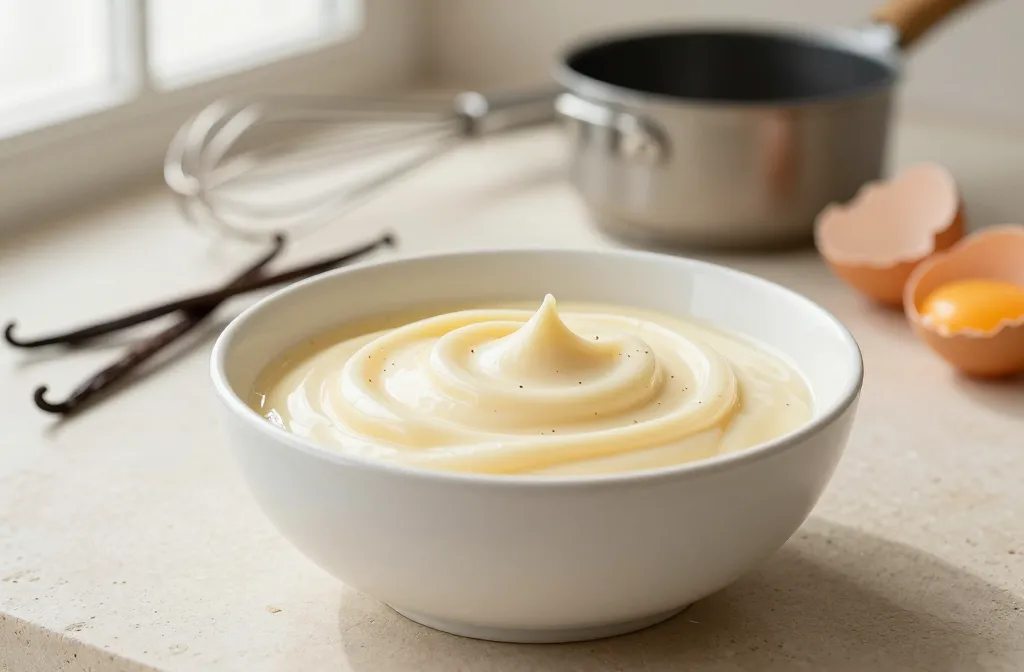
Sugar-Free Italian Vanilla Custard That Silky Spoon Dream
Vanilla custard that’s silky, spoonable, and sugar-free? Yes, it exists, and no, it doesn’t taste like a sad compromise. This Italian-inspired version gives you that classic crema vibe without the sugar crash. We’ll keep the technique simple, the flavor big, and the vibe cheerful—because dessert should never feel like homework.
Need More Easy Dinner Ideas?
Get my FREE 7-Day Easy Dinner Reset and enjoy a full week of healthy dinners without the meal-planning stress.
What Makes It “Italian” (And Why That Matters)
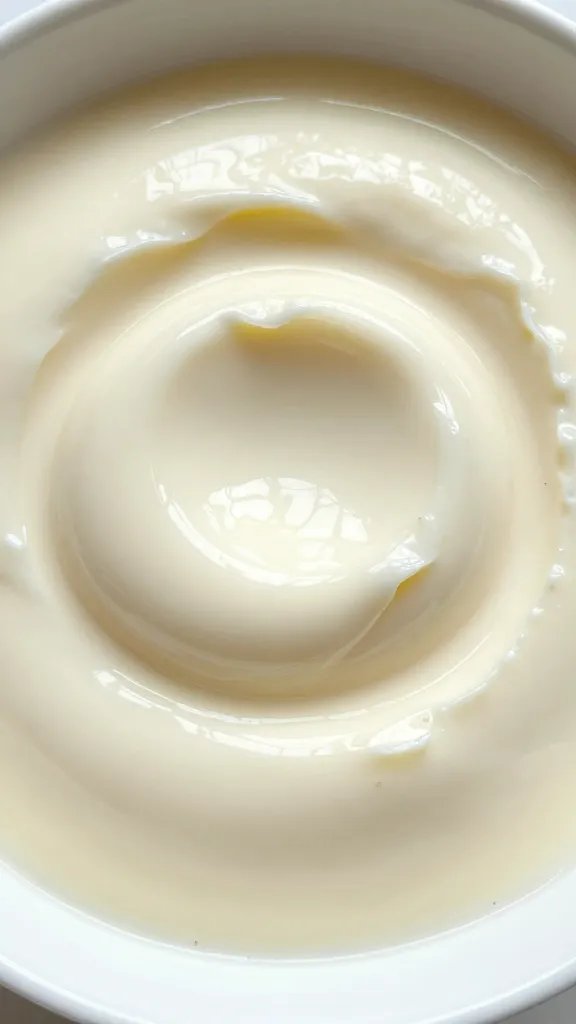
Italian-style custard—think crema pasticcera—leans thick, glossy, and luxuriously smooth. It’s the stuff that fills bomboloni, tarts, and the occasional midnight spoon. We skip heavy cream and rely on whole milk or a milk blend, which keeps the texture plush without turning it into pudding cement.
The twist? We use a sugar-free sweetener that behaves well under heat and doesn’t leave a weird aftertaste. That means you still get the vanilla-forward flavor and that elegant Italian texture, minus the sugar.
The Ingredients That Actually Matter
You don’t need 15 specialty powders and a trust fund. You need good basics, used right.
- Milk: Whole milk gives the best body. For a richer custard, use half whole milk, half light cream or unsweetened barista-style almond milk.
- Egg yolks: The thickening heroes. Use fresh, bright yolks if you can.
- Sweetener: A blend that measures 1:1 with sugar and tolerates heat, like erythritol-monk fruit blends or allulose. Allulose wins for smoothness and no cooling effect.
- Vanilla: Paste or extract. Paste gives those cute specks and bigger flavor.
- Cornstarch (or arrowroot): Classic crema uses starch for stability. You can skip it for a looser, egg-only custard, but I like 1–2 tablespoons for that bakery-style sheen.
- A pinch of salt: Non-negotiable. It makes vanilla taste like vanilla.
About Sweeteners (Read This Before You Stir)
Not all sugar-free sweeteners behave. Here’s the quick tea:
- Allulose: Silky finish, no grit, browns slightly, less sweet than sugar—use 10–20% more to taste.
- Erythritol blends: Sweet and stable but can crystallize and feel “cool.” Whisk well and chill fully.
- Stevia-only: Bitter edge. Use blended products with erythritol/allulose if you must.
FYI: You can combine allulose and a monk fruit blend for balance. IMO, that’s the sweet spot.
How to Make Sugar-Free Italian Vanilla Custard
Let’s cook. You’ll need a saucepan, whisk, heatproof bowl, and strainer (optional, but pro).
- Whisk the base: In a bowl, whisk 4 egg yolks, 1/3–1/2 cup sweetener (adjust to taste), 1–2 tablespoons cornstarch, and a pinch of salt until smooth and pale.
- Warm the milk: Heat 2 cups milk in a saucepan over medium heat with 1–2 teaspoons vanilla paste/extract until steaming, not boiling.
- Temper like a pro: Slowly pour half the hot milk into the yolk mixture while whisking. Then pour it back into the pan.
- Cook it: Whisk over medium heat until thick and glossy, 3–5 minutes. Hit a gentle bubble for 20–30 seconds to cook out starch.
- Finish: Take off heat. Taste and adjust sweetness or vanilla. For extra silk, whisk in 1 tablespoon unsalted butter (optional, but wow).
- Strain & chill: Strain into a bowl, press plastic wrap directly on the surface, and chill completely. It thickens as it cools.
Texture Troubleshooting
– Too loose? Cook 30–60 seconds longer. It sets more in the fridge.
– Too thick? Whisk in a splash of warm milk to loosen.
– Eggy smell? Heat a little more to denature the egg proteins fully, but don’t boil aggressively.
– Grainy? Your sweetener crystallized. Switch to allulose or strain while warm and chill fast.
Flavor Upgrades (Because Vanilla Plays Well With Others)
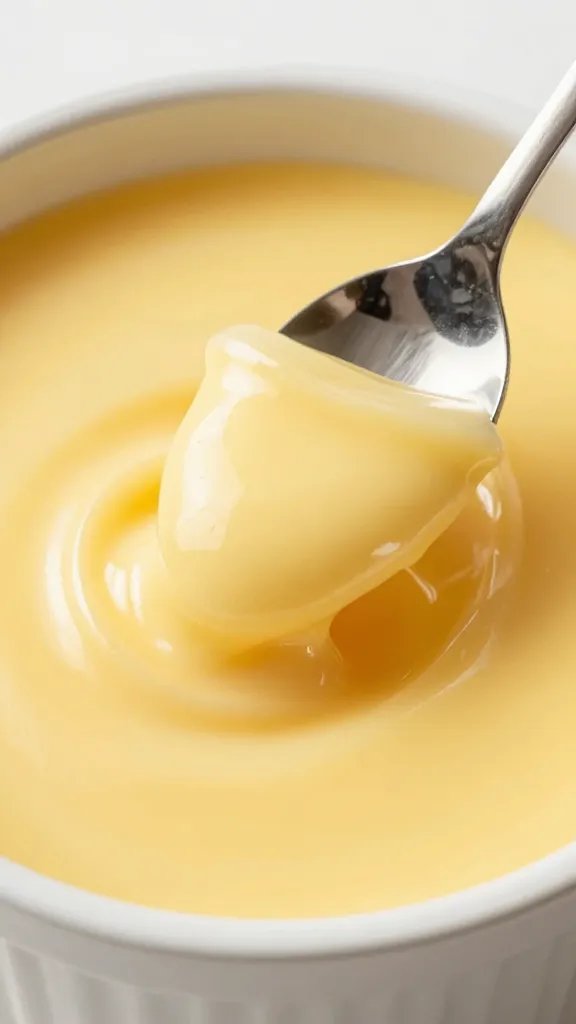
You’ve nailed the classic. Now flex a bit.
- Lemon zest + vanilla: Bright and bakery-fresh. Add zest when warming milk.
- Espresso custard: Stir in 1–2 teaspoons instant espresso with the sweetener.
- Almond-vanilla: Add 1/4 teaspoon almond extract at the end. A little goes far.
- Salted caramel vibes (still sugar-free): Use allulose, brown it lightly before adding milk for a caramel note. Watch closely.
- Coconut twist: Swap 1/2 cup milk for full-fat coconut milk and add toasted coconut on top.
Topping Ideas
– Fresh berries and shaved dark chocolate (sugar-free if you care)
– Toasted nuts and a dusting of cinnamon
– Crushed sugar-free amaretti-style cookies for crunch
– A quick berry compote: simmer berries with allulose and lemon juice until syrupy
How to Serve It Like You Own a Pasticceria
Presentation elevates everything. Spoon it into small glass jars or espresso cups. Top with a dollop of lightly sweetened whipped cream (use allulose again) and a few vanilla bean specks. Done.
Want to fill tarts? Blind bake a nut-flour crust, cool, then fill with custard and chill until set. Add berries on top and pretend you planned it weeks ago.
Never Wonder What's For Dinner Again
Save time, eat healthier, and take the stress out of dinner. Get a full week of easy healthy dinners delivered straight to your inbox.
Make-Ahead and Storage
– Fridge: 3–4 days in an airtight container, plastic wrap touching the surface.
– Freezer: Not recommended. The texture breaks.
– Revive after chilling: Whisk briefly or beat with a hand mixer to restore silkiness.
Nutritional Notes (Without the Lecture)
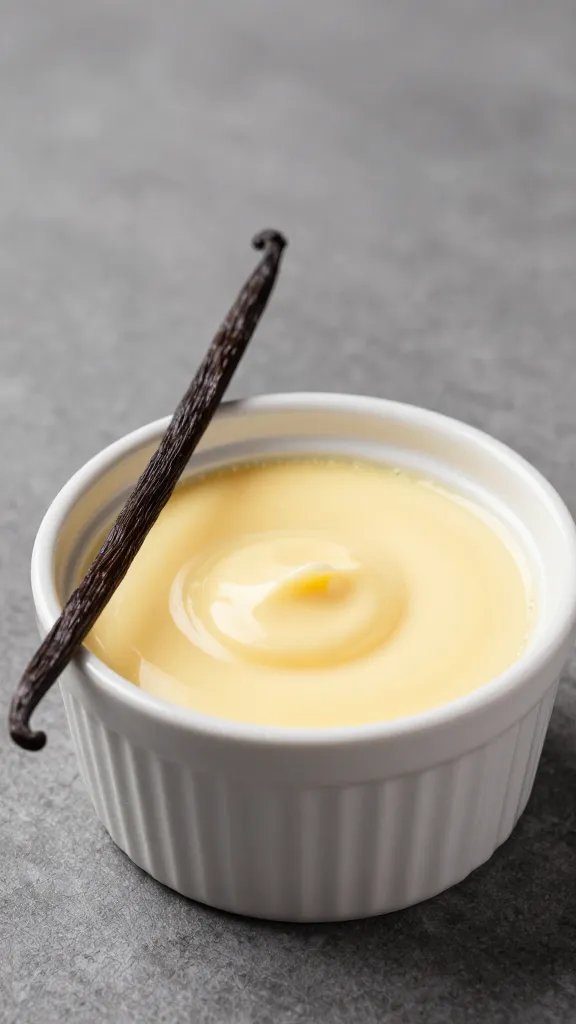
Here’s the vibe: fewer carbs, solid protein and fat from yolks, and zero added sugar. One modest serving lands in the 120–180 calorie zone depending on milk and butter choices. If you track macros, choose allulose (no net carbs) and whole milk for satisfaction. IMO, the satiety from yolks makes this a smarter dessert than most “diet” treats that taste like regret.
Common Mistakes You Can Totally Avoid
- Scalding the eggs: Temper slowly and whisk like you mean it.
- Undercooking: If it doesn’t bubble, it won’t set right. Give it that brief simmer.
- Wrong sweetener: If it’s gritty or “cold,” blame erythritol. Try allulose.
- Skipping salt: Without it, vanilla tastes flat. Don’t skip.
- Over-thickening: Cornstarch is powerful. Measure and stop cooking once it coats the back of a spoon.
FAQ
Can I make this dairy-free?
Yes. Use a creamy almond or cashew milk and add 1–2 tablespoons coconut cream for richness. It won’t taste like a coconut party unless you invite coconut milk, but the texture stays lush.
Is cornstarch necessary?
No, but it helps. Traditional Italian crema uses starch for stability and that glossy bakery finish. If you skip it, you’ll get a softer, more egg-forward custard. Delicious, just different.
What’s the best sweetener for custard?
Allulose wins for texture and clean flavor. If you only have erythritol blends, use them and chill the custard fully to minimize crystallization. Taste as you go—sweetness varies by brand.
Can I bake this as a set custard?
You can. Pour into ramekins and bake in a water bath at 300°F (150°C) until just set, 25–35 minutes. It will be more like a crème brûlée cousin (skip the sugar crust, obviously), but still dreamy.
How do I avoid lumps?
Whisk the yolks, sweetener, and starch until completely smooth before tempering. Strain the finished custard through a fine-mesh sieve while hot. Two minutes that save your sanity.
Can I use vanilla beans instead of extract?
Absolutely. Split one vanilla bean, scrape the seeds, and steep both pod and seeds in the warm milk. Remove the pod before tempering. Flavor = elevated, aroma = chef’s kiss.
Conclusion
Sugar-free Italian vanilla custard proves you can have dessert with finesse and zero sugar drama. You get that classic crema texture, big vanilla energy, and a versatile base you can dress up a dozen ways. Make a batch, chill it, and enjoy spoonfuls all week—no apology, no compromise, all joy.
Loved This Recipe?
If you're looking for more simple, healthy dinners your family will actually eat, grab my FREE 7-Day Easy Dinner Reset. You'll get 7 easy dinner recipes, simple grocery lists, and a done-for-you plan that takes the stress out of mealtime.