Almond Flour Italian Almond Cookies That Taste Like Italy
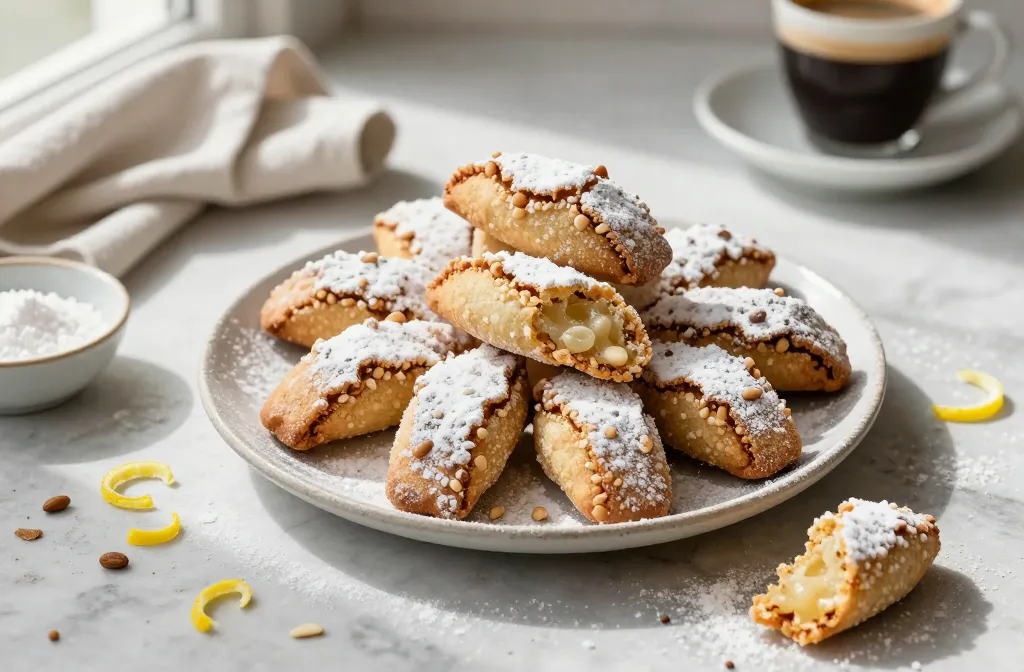
You want a cookie that tastes like it came straight from a sunny Italian nonna’s kitchen but happens to be naturally gluten-free? Enter almond flour Italian almond cookies. They’re chewy inside, crackly outside, and ridiculously fragrant. The dough mixes up in minutes, and the result tastes like you put in way more effort than you did. Honestly, these little guys are dangerously easy.
Need More Easy Dinner Ideas?
Get my FREE 7-Day Easy Dinner Reset and enjoy a full week of healthy dinners without the meal-planning stress.
What Makes These Cookies So Irresistible
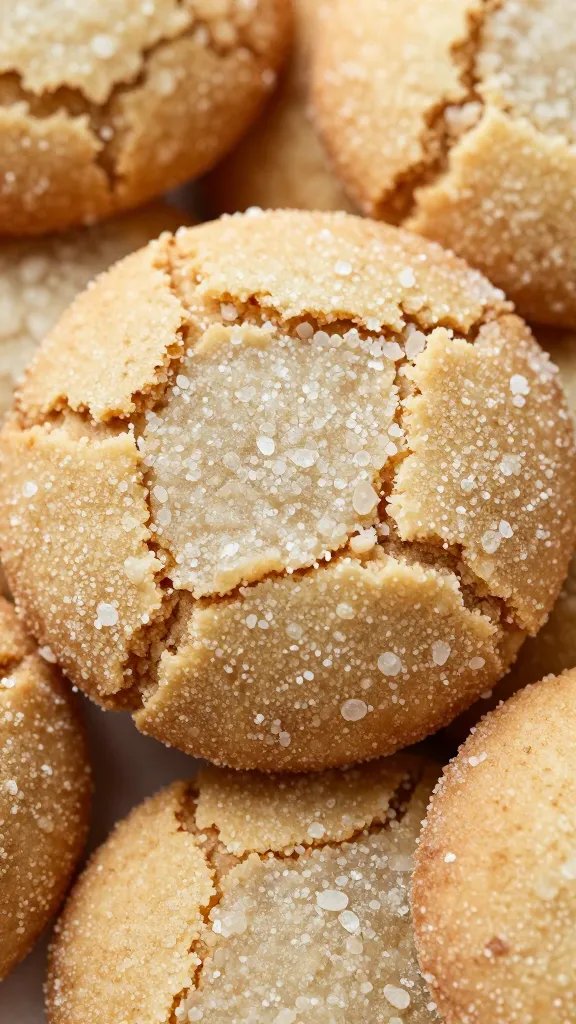
You know that perfect almond-forward bite that’s not too sweet, with a little floral vibe? That’s the sweet spot here. Almond flour makes the centers chewy and tender, while a dusting of sugar gives the edges a delicate crunch. Plus, you only need a handful of ingredients, and most of them live in your pantry already.
Ingredients: Simple, But Chosen With Intent
Let’s keep it classic and unfussy. You’ll need:
- Almond flour (finely ground, blanched)
- Granulated sugar (for structure and sweetness)
- Egg whites (bind and create that chewy interior)
- Almond extract (the “Italian bakery” note)
- Lemon zest (brightness—don’t skip it)
- Pinch of salt (balances everything)
- Powdered sugar (for rolling and that signature crackle)
- Optional: orange zest, Amaretto, or pine nuts
Why Almond Flour Matters
Almond flour brings fat and flavor, so it keeps the cookies moist. You want super-fine, blanched almond flour—not almond meal. Almond meal includes the skins and makes the cookies gritty and dense. FYI, finely ground flour = clean cracks and a soft bite.
Step-by-Step: Your No-Stress Game Plan
These cookies don’t require chill time or fancy equipment. You can knock them out before your coffee gets cold.
- Preheat your oven to 325°F (165°C). Line a baking sheet with parchment.
- Mix dry: In a bowl, whisk 2 cups almond flour, 3/4 cup sugar, zest of 1 small lemon, and a pinch of salt.
- Whip lightly: In a separate bowl, whisk 2 large egg whites until frothy (soft bubbles, not stiff peaks).
- Combine: Stir the egg whites into the dry mix with 1 teaspoon almond extract. The dough should be thick and slightly sticky—like marzipan’s fun cousin.
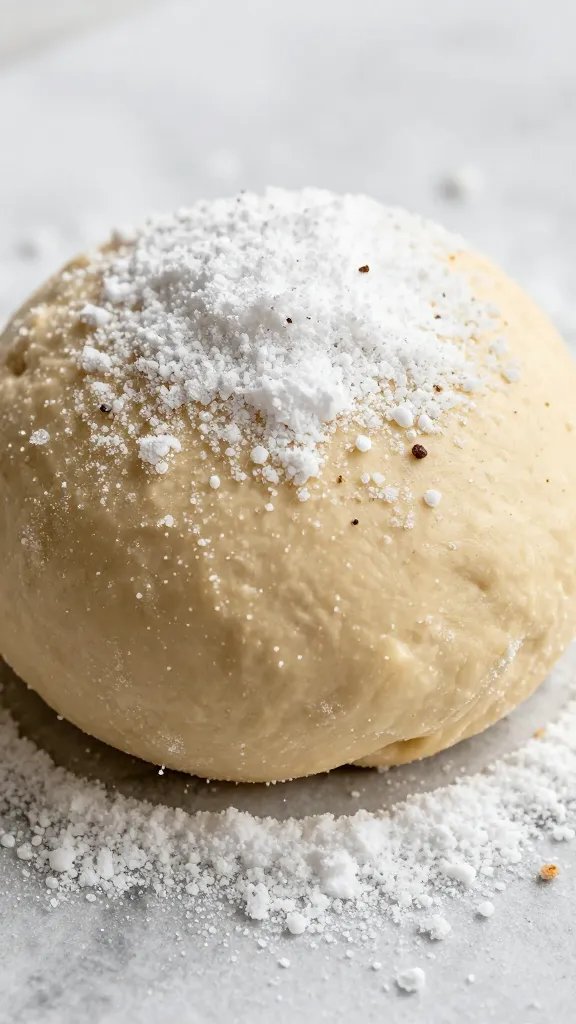
- Shape: Scoop tablespoon-sized portions, roll into balls, and then roll in powdered sugar.
- Optional glow-up: Press a few pine nuts on top or lightly flatten for wider cracks.
- Bake 14–17 minutes until the tops crack and the edges just start to color. They’ll feel tender—perfect.
- Cool on the pan for 5 minutes, then move to a rack. Try not to “taste test” them all. (You will. It’s fine.)
Texture Checkpoints
– Dough too sticky? Add 1–2 tablespoons more almond flour.
– Too dry or crumbly? Drizzle in a tiny bit more egg white.
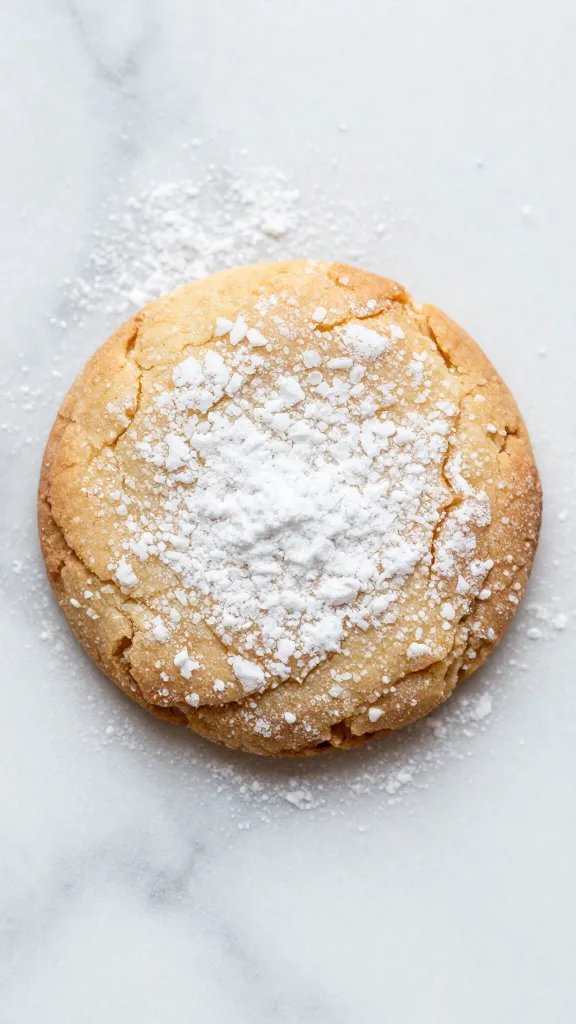
– No crackle? Your powdered sugar coat was too thin—or your oven ran cool.
Flavor Variations That Still Feel Authentic
Want to riff without going rogue? These keep the spirit intact.
- Amaretto splash: Replace 1/2 teaspoon almond extract with 1–2 teaspoons Amaretto for deeper aroma. Slightly reduces chewiness, but the flavor slaps.
- Orange zest: Swap lemon for orange, and add a micro pinch of cinnamon. Think winter bakery window vibes.
- Pinoli style: Press pine nuts into the tops before baking. You’ll get buttery crunch and major café energy.
- Espresso dust: Whisk 1 teaspoon instant espresso into the sugar. Chocolate’s friend without using chocolate—IMO a power move.
- Rosewater micro-drop: 1/8 teaspoon max. You want romance, not perfume counter.
Common Mistakes (And How You Dodge Them)
You don’t need to fail your way to perfect cookies. I did that for both of us.
Using the Wrong Almond Product
Don’t sub almond meal or ground whole almonds. You’ll lose that fine, melt-in-your-mouth texture and end up with sandy hockey pucks.
Overbaking
You want pale edges with cracks, not golden brown. The cookies set as they cool. Overbake = dry centers and sadness.
Skipping the Salt
A tiny pinch makes the almond sing. Without it, everything tastes flat. It’s a cookie, not a sugar cube.
Never Wonder What's For Dinner Again
Save time, eat healthier, and take the stress out of dinner. Get a full week of easy healthy dinners delivered straight to your inbox.
Heavy Hand With Extract
Almond extract goes from heavenly to “hello, chemical” real quick. Stick to 1 teaspoon max per 2 cups almond flour. Taste the dough and adjust with caution.
Make-Ahead, Store, and Share
These cookies keep like a dream and travel even better. Ideal for gift boxes or that one coworker who always “forgets” their wallet at coffee runs.
- Room temp: Store in an airtight container up to 5 days. They stay chewy.
- Freeze baked: Layer with parchment and freeze up to 2 months. Thaw at room temp.
- Freeze dough: Roll into balls, freeze on a tray, then bag. Bake from frozen at 325°F, adding 2–3 minutes.
- Refresh: If they soften from humidity, pop them in a 300°F oven for 3–4 minutes.
Pairing: What to Drink While You Snack
You have options, and none are wrong.
- Espresso or cappuccino: Classic. The bitterness balances the sweet.
- Vin Santo or Amaretto: Dessert wine or almond liqueur? Yes, chef.
- Earl Grey: Bergamot and almond play nice together. FYI, it’s a top-tier afternoon break.
- Hot chocolate: If you’re feeling cozy and mildly dramatic.
FAQ
Can I make these cookies without almond extract?
Yes, but they’ll taste more subtle. Bump the lemon zest to a full generous lemon and consider a teaspoon of vanilla for warmth. The cookies still slap—just less “Italian bakery” and more “lightly almond.”
Do I need to whip the egg whites to stiff peaks?
Nope. Frothy is enough. You just want a little air and easier mixing. Stiff peaks make the dough weirdly dry and meringue-like—different cookie, different day.
Are these gluten-free?
Yes. Almond flour contains no gluten. As always, check that your powdered sugar and extract come from gluten-safe facilities if you bake for someone with celiac.
Why didn’t my cookies crack on top?
You probably didn’t coat them generously in powdered sugar, or your oven ran a bit cool. Also, slightly flattening the dough balls helps create surface tension that encourages cracking.
Can I reduce the sugar?
A little, sure—try 2/3 cup instead of 3/4 cup. Just know sugar affects moisture and structure. Go too low and you lose that chewy interior. IMO, better to make them smaller if you want a lighter bite.
What’s the difference between these and amaretti?
They’re cousins. Classic amaretti often use almond paste or a different ratio, and sometimes bake drier and crispier. These lean softer and chewier with a powdered sugar coat—your coffee’s best friend.
Final Thoughts
These almond flour Italian almond cookies hit that magical combo: easy, elegant, and wildly delicious. They take pantry staples, a single bowl, and less than half an hour to deliver bakery-level cookies. Make a batch, share a few, then hide the rest behind the flour canister. You’ll know where to find them—and so will your future self.
Loved This Recipe?
If you're looking for more simple, healthy dinners your family will actually eat, grab my FREE 7-Day Easy Dinner Reset. You'll get 7 easy dinner recipes, simple grocery lists, and a done-for-you plan that takes the stress out of mealtime.