Sugar-Free Italian Lemon Custard Bright Zesty Dream
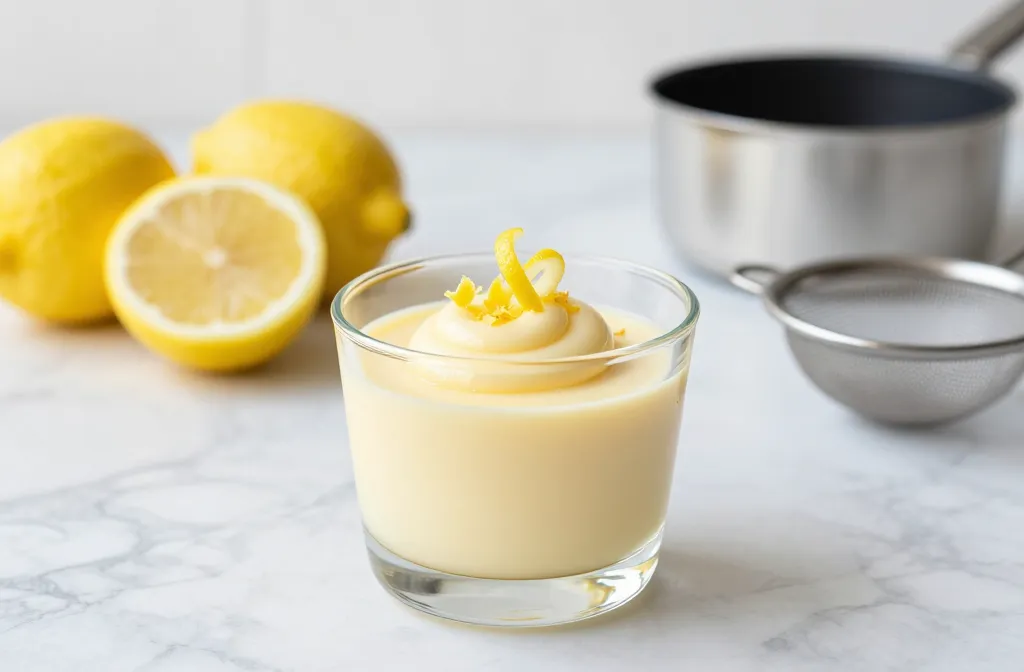
Lemon custard without sugar? Yes, please. Bright, silky, and wildly satisfying, this Italian-style crema al limone proves you don’t need a sugar crash to feel dessert-level joy. We’ll use real lemons, a touch of clever sweetener, and classic technique for a spoonable, glossy dream. Grab a saucepan and your best whisk—your inner nonna won’t judge.
Need More Easy Dinner Ideas?
Get my FREE 7-Day Easy Dinner Reset and enjoy a full week of healthy dinners without the meal-planning stress.
Why Sugar-Free Doesn’t Mean Flavor-Free
Real talk: people equate “sugar-free” with sad, bland desserts. Not today. Lemon shines with acidity and perfume, so you don’t need a ton of sweetness to make it pop. The custard texture carries the flavor and gives you that luxe dessert feel.
Key idea: You’ll balance tart lemons with a clean-tasting sweetener and rich dairy. That trio keeps things bright, smooth, and not cloying.
The Flavor Blueprint
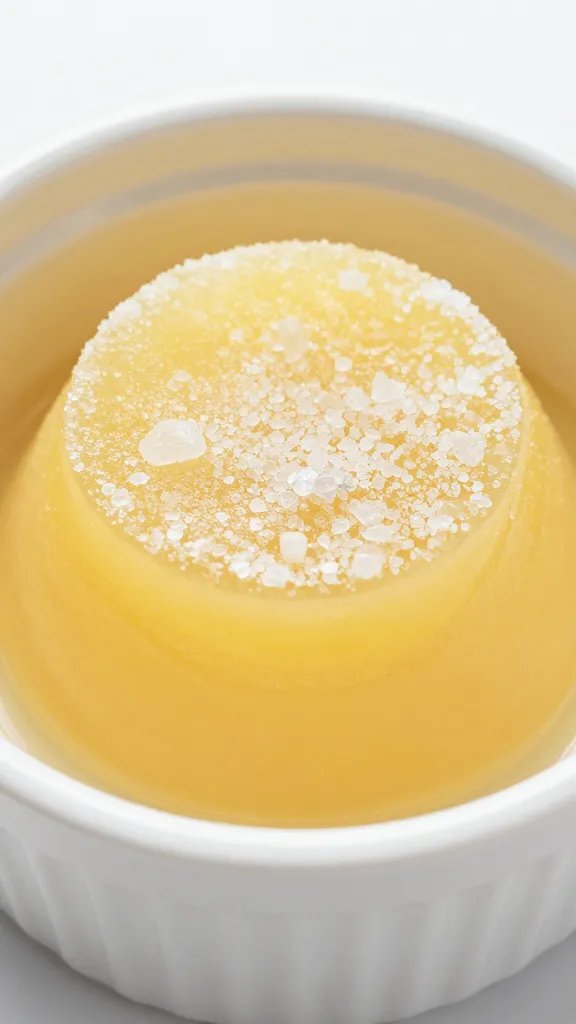
Good sugar-free custard starts with a plan. You want a lemon-forward, creamy finish without bitterness or weird aftertastes.
- Lemons: Use fresh lemons only. Zest gives floral oils; juice brings acidity. Bottle juice? Hard pass.
- Sweetener: Choose a combo for body and taste. Allulose + monk fruit or erythritol + stevia works. IMO, allulose wins for texture.
- Dairy: Whole milk plus a splash of cream makes it silky. You can go lighter, but don’t expect the same mouthfeel.
- Eggs: Yolks = custard. They thicken, enrich, and turn lemon into velvet.
- Salt + vanilla: Tiny amounts make citrus flavors bloom. Skip either and you’ll taste it.
Picking the Right Sweetener
Your sweetener choice changes everything. Allulose browns less and dissolves like a champ; it also avoids the cooling effect you get from erythritol. If you prefer monk fruit or stevia, use a blend rather than pure extract to avoid that “hello, licorice” vibe. FYI, powdered versions dissolve more evenly than granules.
Ingredients and Ratios That Work
This ratio makes about 4 modest servings or 3 generous ones.
- 4 large egg yolks
- 1 cup whole milk
- 1/2 cup heavy cream
- 1/3 to 1/2 cup allulose (start with 1/3; add to taste), or 1/4 cup erythritol + a few drops liquid stevia
- 2 teaspoons finely grated lemon zest (from 2 lemons)
- 1/3 cup fresh lemon juice (strained)
- 1 teaspoon vanilla extract
- Pinch fine sea salt
- Optional: 1 teaspoon unsalted butter for extra gloss
Pro tip: If your lemons taste extra tart, bump the sweetener by a tablespoon. Taste as you go after cooking, not before (raw yolks + lemon = bad time).
Step-by-Step: Foolproof Custard
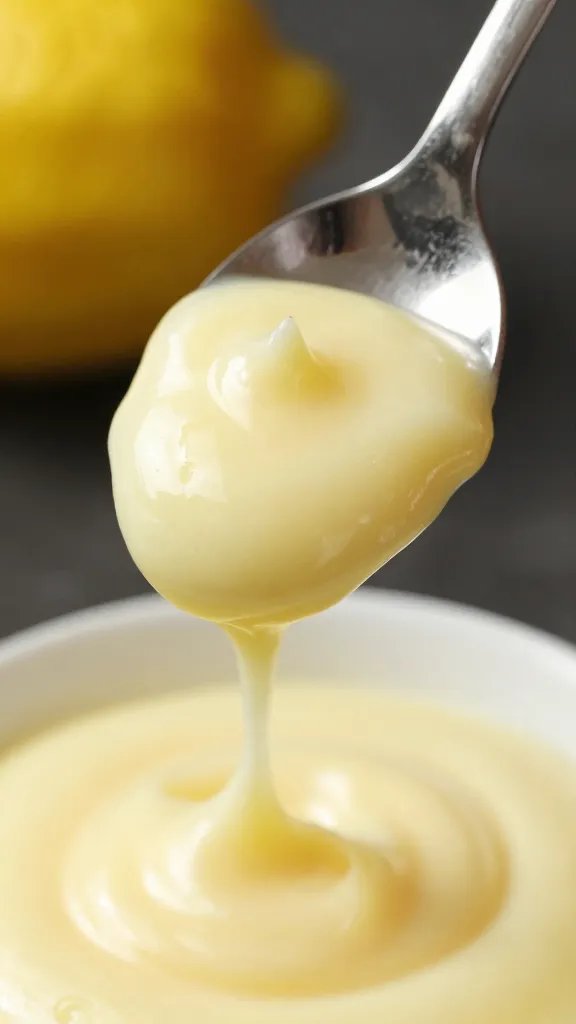
You’ll use the classic stovetop method. Low heat + patience = smooth custard, no lumps.
- Infuse the dairy: In a saucepan, whisk milk, cream, lemon zest, half of your sweetener, and salt. Warm over medium-low until steaming, not boiling. Take off heat, cover, and let it sit 10 minutes to pull all that lemon oil magic.
- Whisk the yolks: In a bowl, whisk yolks with the remaining sweetener until glossy and slightly lightened. This dissolves sweetener and preps the yolks to thicken evenly.
- Temper: Slowly drizzle the warm dairy into the yolks while whisking constantly. Don’t rush; you’re avoiding scrambled eggs. When combined, pour back into the saucepan.
- Cook to thicken: Stir over low heat with a spatula, scraping the bottom and corners. Aim for 170–175°F, or until it coats the back of a spoon and a finger swipe leaves a clean line. No simmering allowed.
- Finish: Off heat, whisk in lemon juice, vanilla, and butter (if using). Strain through a fine sieve to catch zest and any curdled bits. Taste and adjust sweetness—add a touch more sweetener if needed while still warm, then whisk well.
- Chill: Press plastic wrap directly onto the surface to prevent a skin. Chill at least 3 hours. It thickens as it cools, so don’t panic if it looks soft warm.
Texture Troubleshooting
– Too thin? Cooked too cool or not long enough. Return to low heat and stir another minute or two.
– Too thick or curdled? You went too hot. Blend with an immersion blender and strain; it often saves the day.
– Grainy sweetness? Switch to powdered sweetener next time, or dissolve granules fully in the warm dairy before tempering.
Flavor Twists That Still Feel Italian
You can keep it classic or flex a little. Just don’t drown the lemon.
- Limoncello splash: Stir in 1–2 teaspoons at the end. It’s traditional-adjacent and very chic.
- Rosemary whisper: Infuse a small sprig with the milk/cream, then remove before tempering. It adds a woodsy note without going pine forest.
- Mascarpone swirl: Fold in 2 tablespoons after chilling for a richer, cheesecake-like vibe.
- Yogurt lightness: Swap a quarter of the cream for Greek yogurt after cooking and cooling. Tang meets tang—bright and fresh.
Serving Ideas That Feel Restaurant-Level
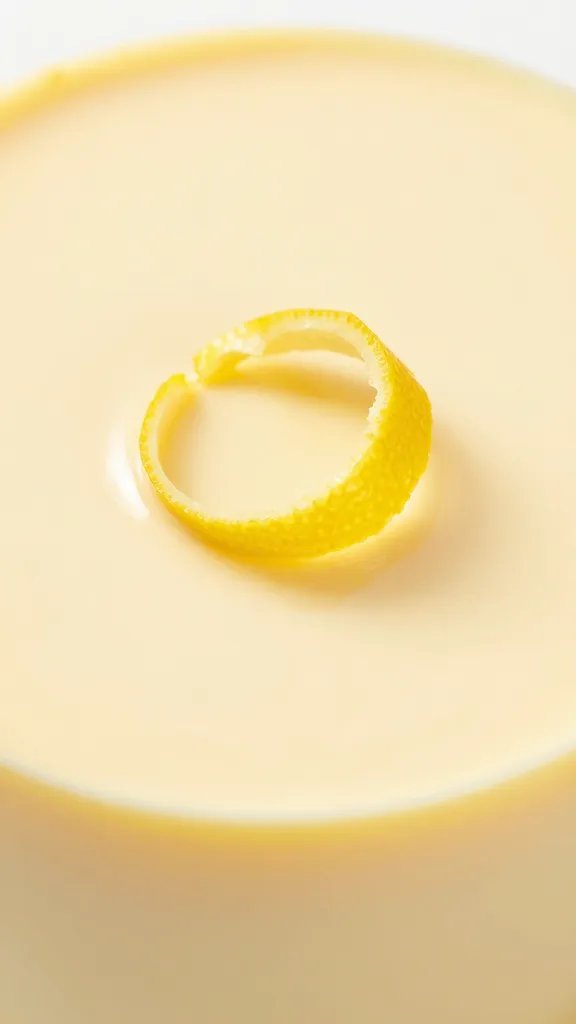
Let’s make it look like you spent way more time than you did.
Never Wonder What's For Dinner Again
Save time, eat healthier, and take the stress out of dinner. Get a full week of easy healthy dinners delivered straight to your inbox.
- Simple cups: Spoon into espresso cups, top with a dollop of whipped cream and a microplane shower of zest.
- Berry layer: Alternate layers of custard and macerated raspberries. The sweet-tart combo slaps, IMO.
- Crunch factor: Add crushed almond biscotti (sugar-free if needed) for texture right before serving.
- Tart shells: Fill pre-baked almond flour tartlets. Chill to set and add a lemon twist on top. Fancy with zero fuss.
Make-Ahead and Storage
– Chill tightly covered up to 4 days.
– Whisk briefly before serving to wake it up.
– Avoid freezing; thawed custard turns watery and cries softly.
Nutrition and Smart Swaps
You still get calories from cream and yolks, but you skip the sugar spike. That’s the play. If you want lighter:
- Use 1 1/2 cups 2% milk and skip the cream. Texture gets thinner but still custardy.
- Replace a yolk with 1 whole egg for a lighter set. Slightly less silky, still legit.
- For dairy-free: try full-fat coconut milk plus a splash of almond milk. Expect a coconut-lemon profile—tasty, just different.
Heads-up: Erythritol can recrystallize when cold. Allulose rarely does, which is why I favor it for ultra-smooth results.
FAQ
Can I bake this custard instead of cooking it on the stove?
Yes, you can turn it into baked pots de crème. Pour the tempered mixture (skip the cornstarch—none here anyway) into ramekins, set in a water bath, and bake at 300°F until just set in the center, 25–35 minutes. Chill completely. Texture leans silkier and slightly firmer.
Why does my custard taste bitter?
You probably zested too deep and grabbed the white pith, or you added lemon juice before thickening the yolks fully. Zest gently with a microplane and add juice off heat at the end. That sequence keeps the oils bright and the acid from scrambling the party.
Which sweetener tastes most like sugar here?
Allulose with a touch of monk fruit tastes closest in this recipe, IMO. It dissolves well, stays smooth when chilled, and doesn’t leave a minty after-cool. Adjust to taste after cooking since cold desserts need a tiny bump in sweetness.
Can I make it without eggs?
You can make a lemon pudding vibe with gelatin or cornstarch, but it won’t be a true custard. For a no-egg version: thicken dairy with 1 1/2 teaspoons powdered gelatin or 3 tablespoons cornstarch, then add lemon juice off heat. Good, just different.
How do I fix custard that’s too tart?
Whisk in a bit more sweetener while warm, or fold in a spoonful of mascarpone after chilling for balance. A pinch more salt (seriously) can also round the edges and make it taste sweeter.
Is this safe for people with diabetes?
It’s sugar-free and lower in carbs than traditional custard, but it still contains lactose from dairy. Always check your sweetener’s label and talk to your healthcare provider if you track macros closely. Everyone’s response varies.
Conclusion
Sugar-free Italian lemon custard brings sunshine without the sugar crash. Keep the heat low, respect the yolks, and let real lemons lead. Once you nail the texture and sweetness balance, you’ll have a go-to dessert that tastes indulgent and feels smart. Spoon, meet bliss.
Loved This Recipe?
If you're looking for more simple, healthy dinners your family will actually eat, grab my FREE 7-Day Easy Dinner Reset. You'll get 7 easy dinner recipes, simple grocery lists, and a done-for-you plan that takes the stress out of mealtime.